



Research on UAV Applications of Basalt Twill Fabric
Basalt Fiber: How It’s Made, Its Structure, and How Strong It Stays
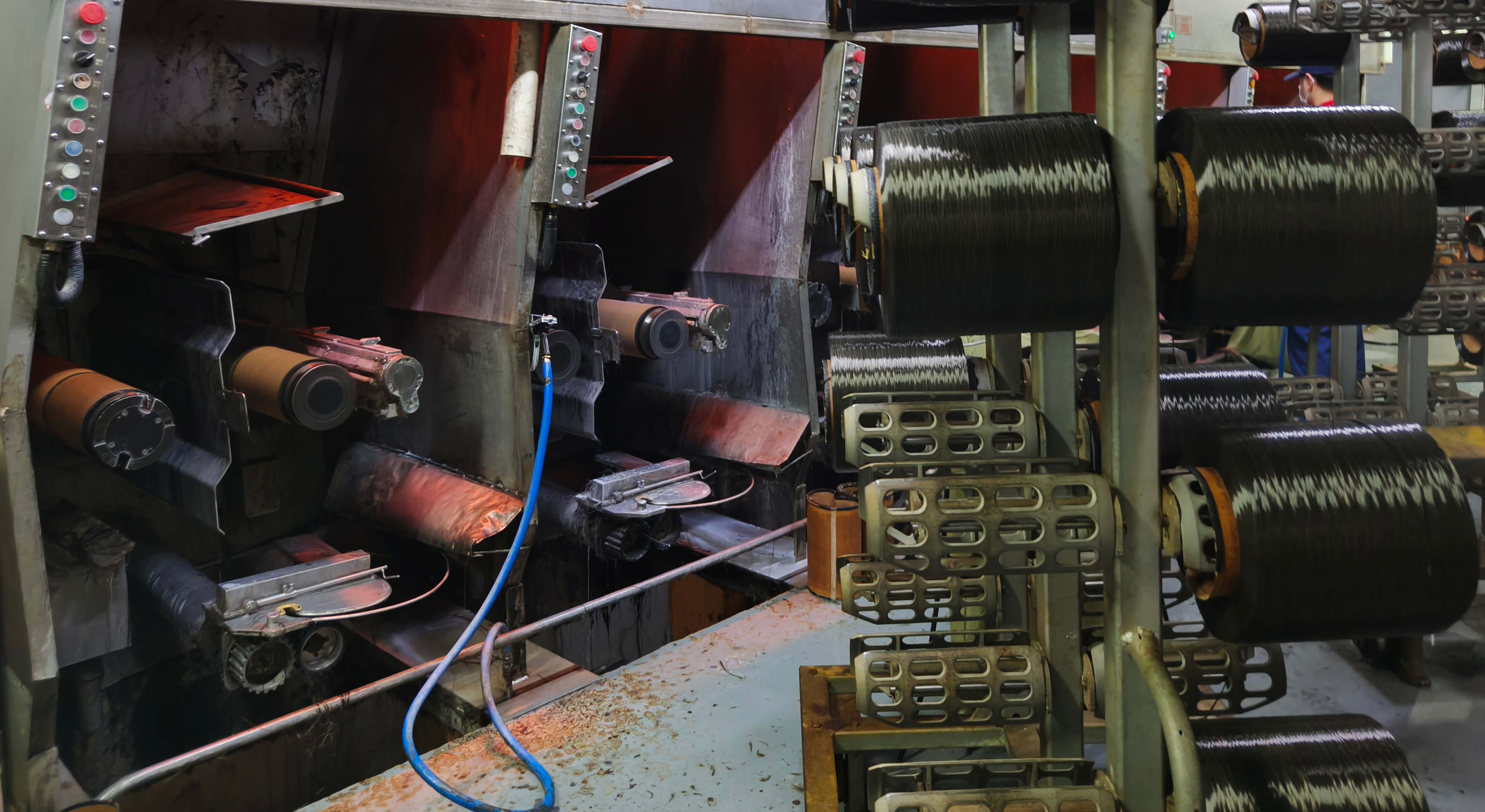
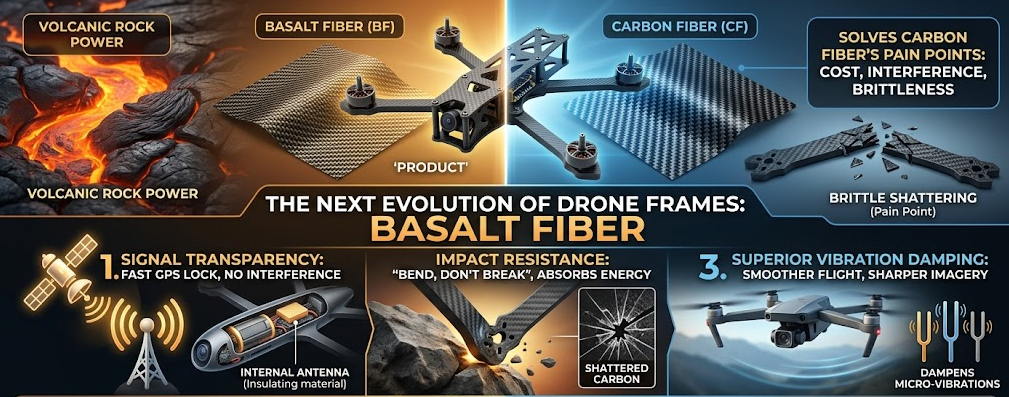
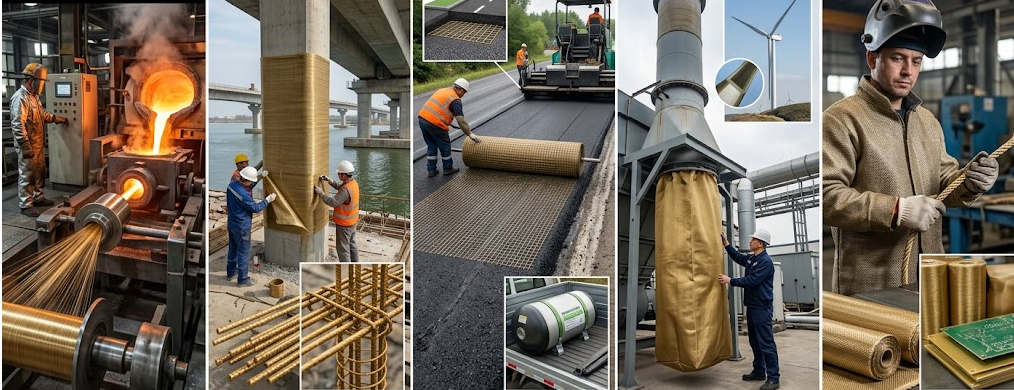
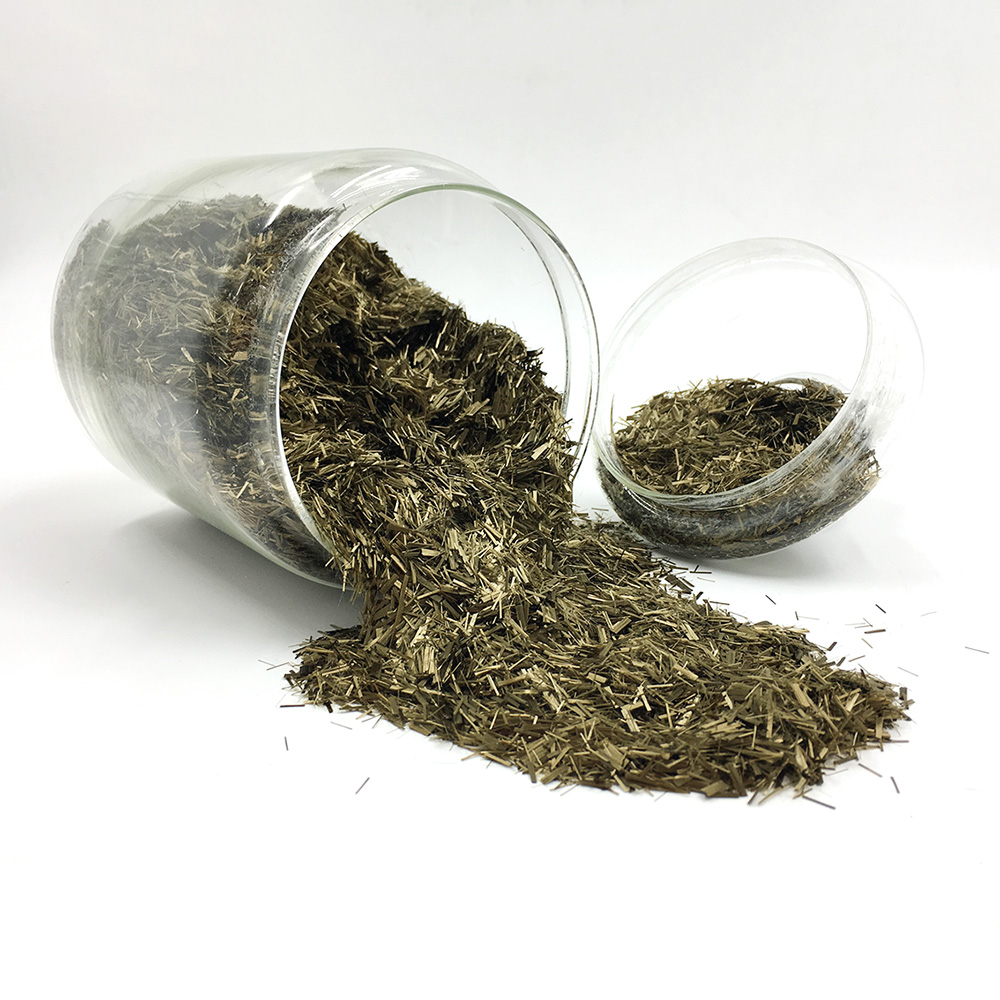
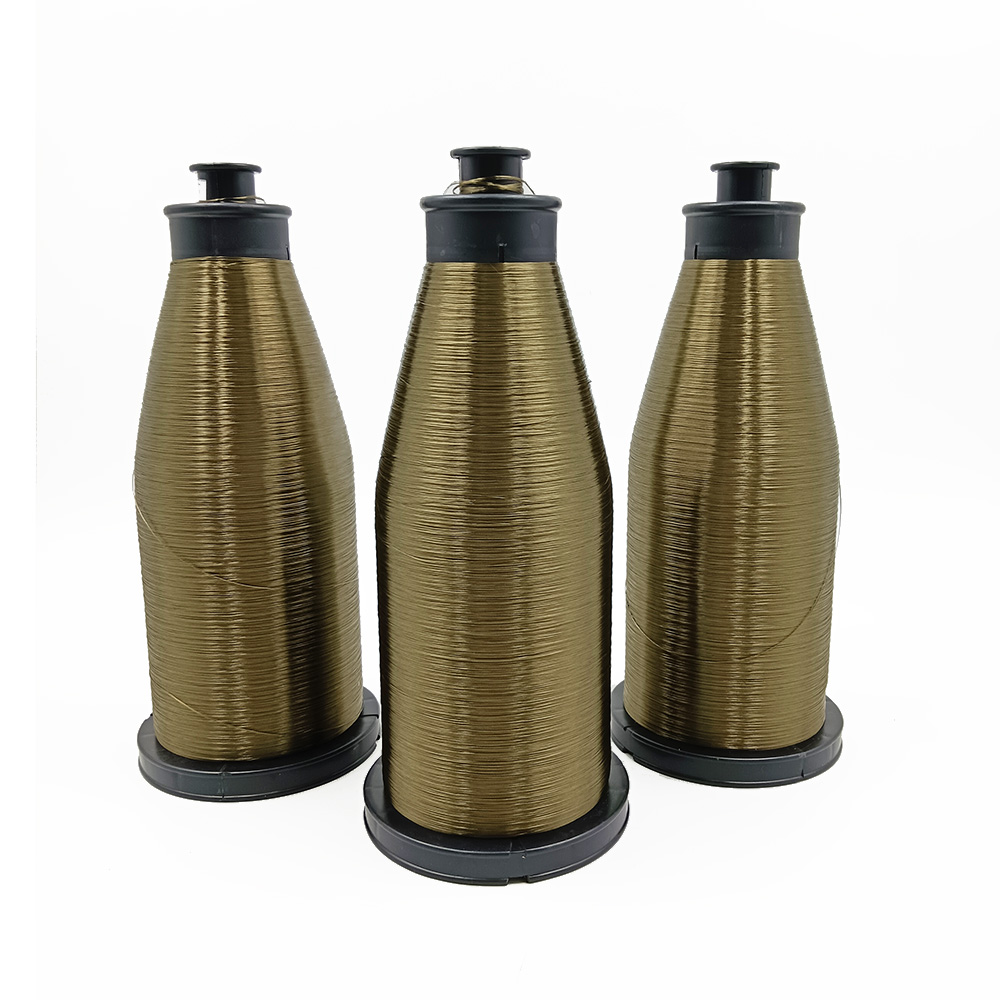
Natural and non-toxic material basalt fiber is produced by melting and drawing volcanic rocks. To create basalt fibers, basalt ore is heated to about 1500°C before being drawn into continuous threads through platinum-rhodium alloy spinnerets. Basalt fiber possesses superior qualities due to its geological origin: it withstands a wide range of temperatures, but its continuous operation at 600°C exceeds that of most resin matrices and Glass Fibers. The resistance of basalt fiber to alkaline and acidic environments ensures its extended service life in a harsh environment such as high humidity and corrosive gas presence over some variants of GFRP.
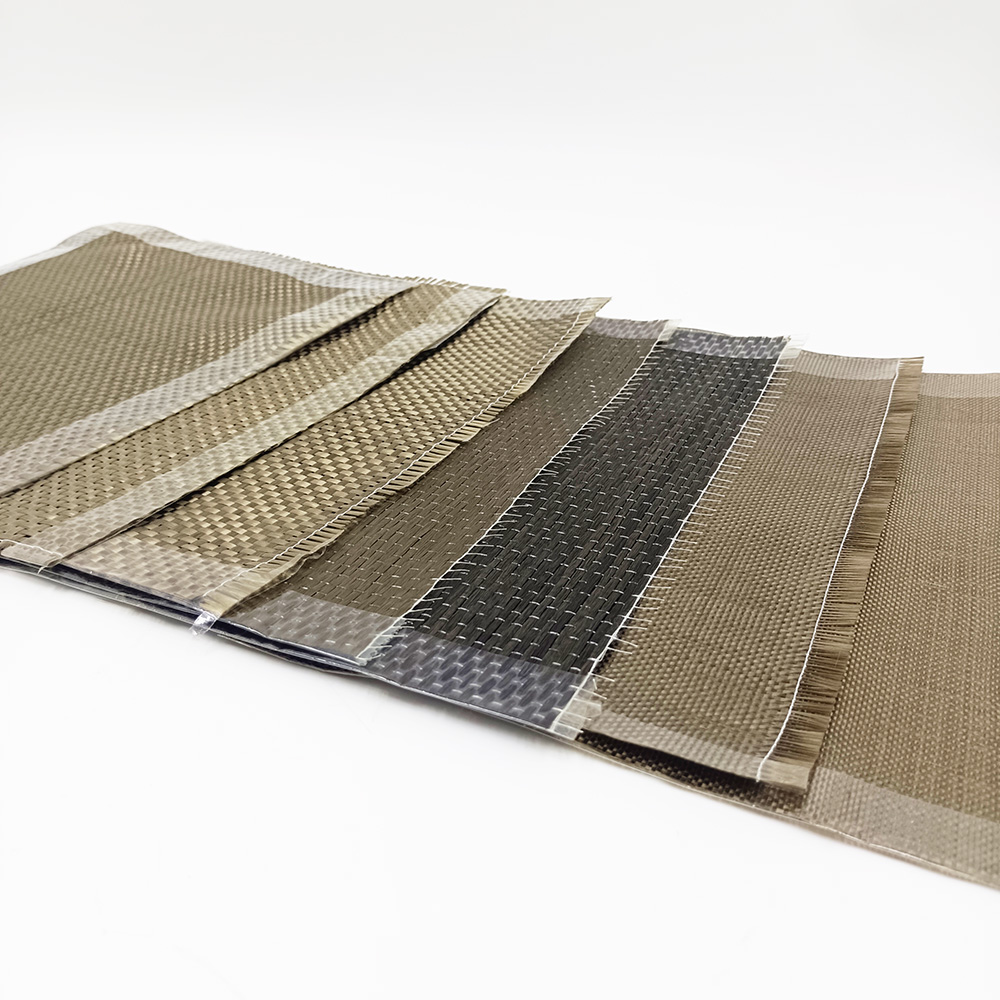
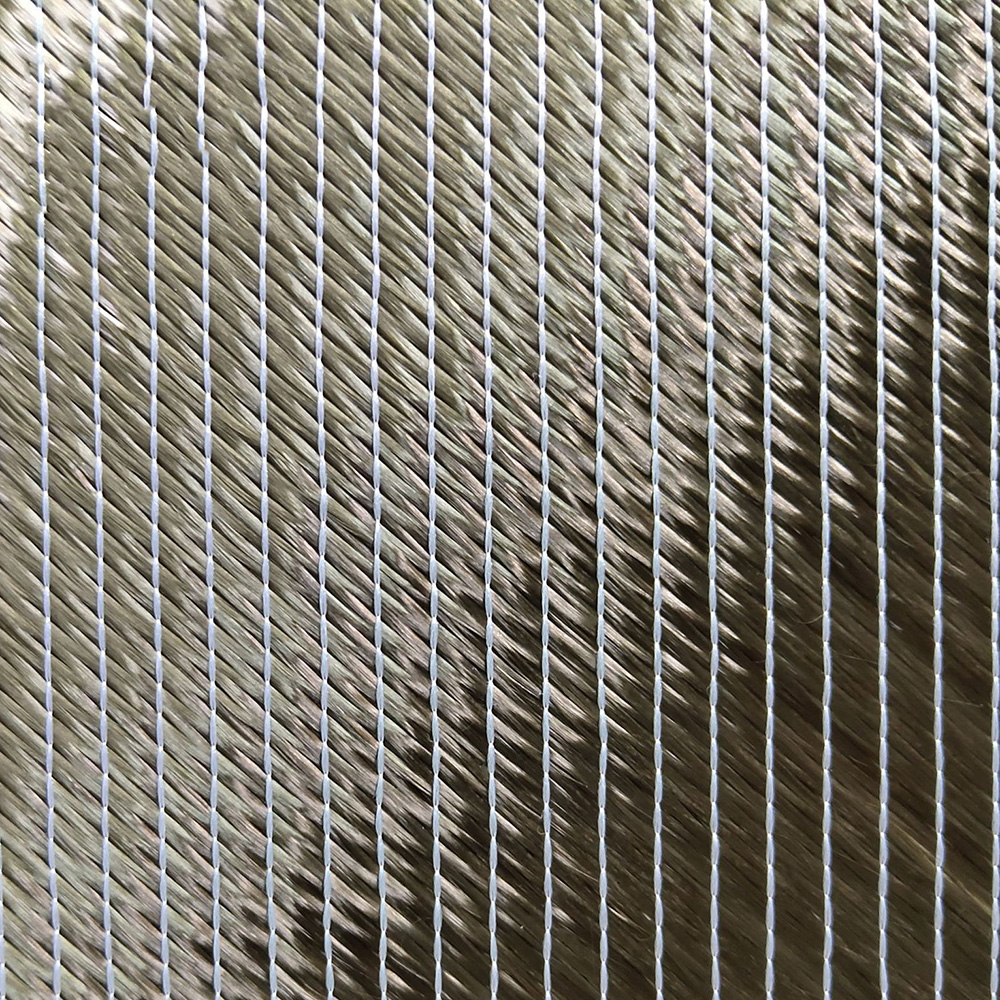
Exploring Twill Weave Patterns
Twill weave produces extended warp or weft floats which generate a fabric that drapes effectively and fits perfectly. Twill fabrics are easier to lay by hand in UAV parts with complex curved profiles such as air intakes and wing fairings than plain-weave fabrics and this simplifies the process of laying by hand and reduces defects such as wrinkles or misalignment of fibers. The advantage of it is that it can be used in vacuum assisted resin infusion molding (VARTM) and resin transfer molding (RTM).
The mechanical advantages of the twill structure are that its long floats reduce fiber crimp. The crimp of the fiber should theoretically improve fiber tensile strength conversion efficiency, which allows the composite to make more full use of the fiber strength. However, twill fabrics do not have as many interlacing yarns as the plain weave fabrics, which tends to slightly lower their in-plane shear modulus due to the additional flexibility of the fabric.
Synergistic strengthening effect of twill structure on damage tolerance: Basalt fiber reinforced polymer (BFRP) compounds are already known to possess high toughness, such that their failure modes normally involve more benign fiber extraction, as opposed to the brittle fracture. In this respect, the twill geometry further enhances this phenomenon. The extended deformability of the twill fabric gives it a high energy absorbing ability in cases of impact loading. The distribution of fibers and small plastic deformation zones dissipate higher impact energy. As such, the natural durability of BFRP, together with its energy-absorbing mechanism due to the twill weave structure, generates a synergistic effect on the overall impact damage tolerance, which enhances the specific energy absorption of a material (SEA). This makes BFRP twill fabric an excellent candidate for UAV landing gears or wing leading edges and areas exposed to bird strikes or debris impact, or any other area that significantly increases the structural survivability of the UAV in a complex operational environment.