




Feasibility of Applying Basalt Fiber to Small UAV Structures
Overview of the Properties of Basalt Fiber Reinforced Polymer (bfrp)
Taking a 5 mm thick pultruded sheet as an example, its typical physical parameters are as follows: - Tensile strength: ≥500 MPa
- Modulus of elasticity: ≥40 GPa
- Density: 1.8–2.0 g/cm³
- Elongation at break: 2.5–3.0%
- Corrosion Resistance: Excellent (resistant to acids, alkalis, and UV radiation)
- Coefficient of thermal expansion: Similar to concrete; good low-temperature performance
Feasibility Analysis of Application in Small UAV Structures
- Advantages
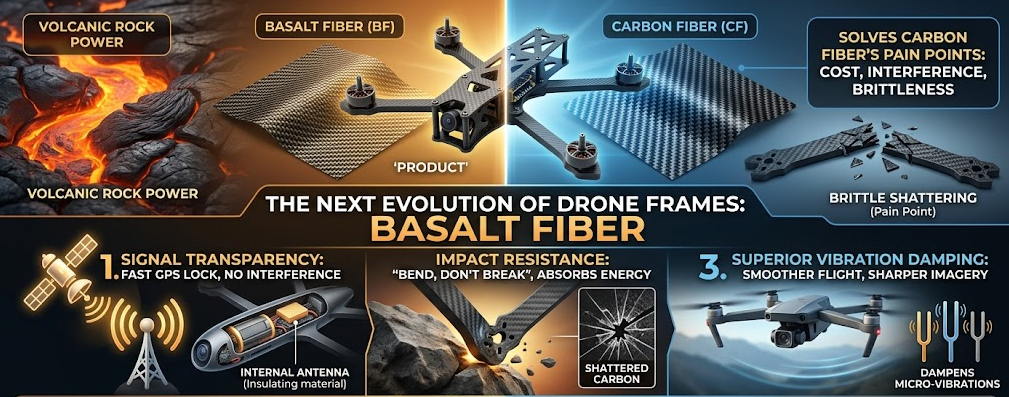
- Weight reduction potential: With a density lower than that of aluminum alloy (2.7 g/cm³), it enables structural weight reduction, thereby improving flight endurance and maneuverability.
- Specific strength and specific modulus: Specific strength (strength/density): ≈250–280 MPa·cm³/g, superior to aluminum alloy (≈140) but lower than carbon fiber (≈600).
- Specific modulus (modulus/density): ≈20–22 GPa·cm³/g, comparable to aluminum alloy but only one-third that of carbon fiber.
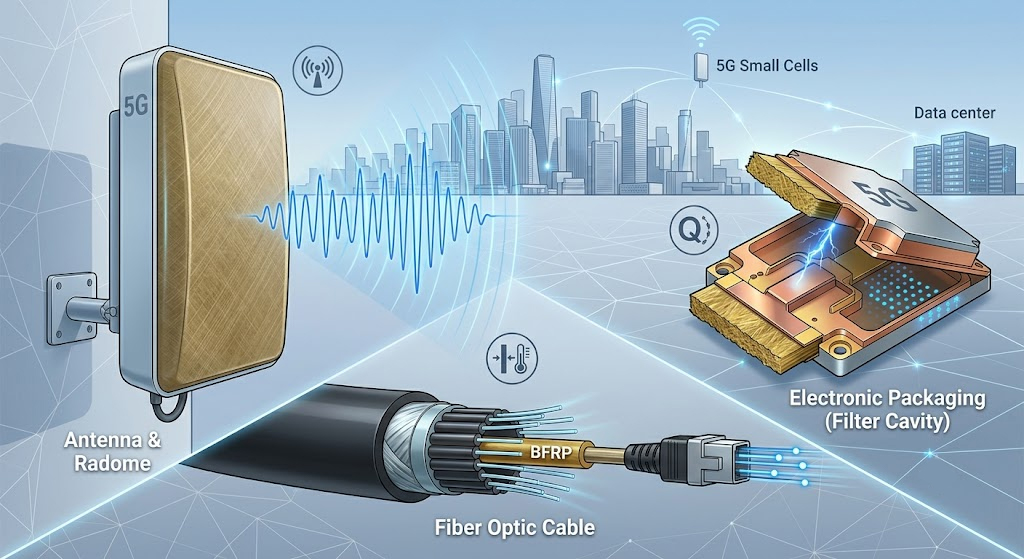
- Vibration damping characteristics: Higher damping coefficient than carbon fiber, reducing flight vibrations and improving sensor stability. • Electromagnetic transparency: Does not interfere with communication signals, making it suitable for radar or antenna compartments.
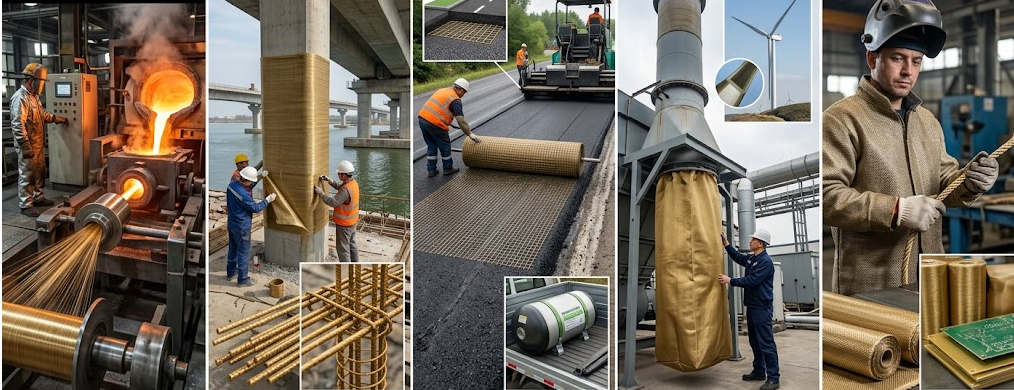
- Environmental resistance: Resistant to humid heat and corrosion, suitable for UAVs in maritime or industrial environments.
- Recommended Applications
- Medium-to-low load structures: Fuselage frames, landing gear supports, wing ribs.
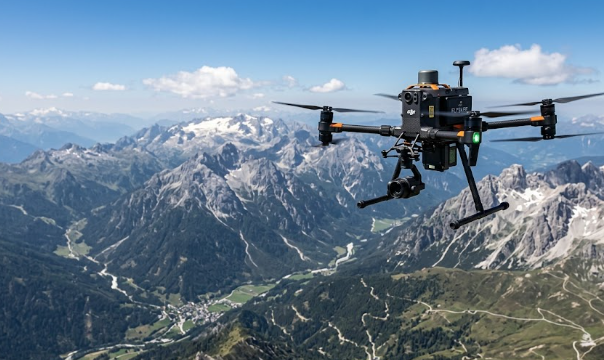
- Non-load-bearing components: Antenna mounts, battery trays, sensor housings.
- Components for special environments: Parts exposed to pesticide solutions on agricultural UAVs, hulls of maritime UAVs.
Cost-Performance Comparison with Carbon Fiber (CFRP)
Comparison: Basalt Fiber (BFRP) vs. Carbon Fiber (CFRP)
| Dimension | Basalt Fiber Reinforced Polymer (BFRP) | Carbon Fiber Reinforced Polymer (CFRP) |
| Material Cost | Plates: approx. 60–100 RMB/kg (Domestic) | Plates: approx. 150–300 RMB/kg (T300 Grade) |
| Specific Strength | Medium (≈250) | High (≈600) |
| Specific Modulus | Relatively Low (≈20) | High (≈60-100) |
| Impact Resistance | Medium (Higher brittleness than CFRP) | Relatively High (Good toughness) |
| Processing Cost | Pultruded plates are easy to process, but complex molding requires additional processes. | Prepreg hot-pressing cost is high, but allows for integrated molding. |
| Durability | Good fatigue resistance, excellent corrosion resistance. | Excellent fatigue performance, but requires protection against galvanic corrosion. |
| Weight Reduction | 20–30% weight reduction compared to aluminum alloy. | 40–50% weight reduction compared to aluminum alloy. |
Cost-effectiveness Scenario Analysis
- Low-cost priority drones (e.g., inspection, agricultural drones): – BFRP can replace some aluminum alloy components, with costs 30–50% lower than CFRP and superior corrosion resistance, offering high overall cost-effectiveness.
- Applications requiring high stiffness and lightweight design (e.g., racing drones, aerial photography drones): – CFRP offers a significant advantage in modulus of elasticity, reducing aerodynamic deformation; although more expensive, its performance is irreplaceable.
- Applications with special functional requirements: If electromagnetic transparency or damping/vibration reduction is required, BFRP can serve as a supplementary material for specific components (e.g., radar domes).
- Technical Challenges and Optimization Directions
- Hybrid structure design: BFRP + CFRP laminates: Locally lay up carbon fiber in areas with high stiffness requirements to balance cost and performance.
- Process improvements: Develop BFRP prepregs or 3D-printed fiber-reinforced materials to enhance the ability to form complex structures.
- Joining technology: Adopt adhesive-riveted composite joints or ultrasonic welding to improve joint efficiency.
Based on the above analysis, BFRP is suitable for medium-to-low-load structures in small UAVs and offers application value in terms of weight reduction, corrosion resistance, and damping/vibration reduction; however, it should be avoided in areas requiring high stiffness. If stiffness is not a critical factor but cost is, BFRP offers significantly better cost-effectiveness than CFRP.
Additionally, a BFRP/CFRP hybrid design can be considered to optimize costs.
Finite element analysis (FEA) can also be used to simulate specific components (such as the airframe), comparing the weight and cost of BFRP and CFRP under equivalent safety factors to drive material selection based on data.