




From Lunar Surfaces to Deep Seas: Three-Dimensional Breakdown of Basalt Material Strength
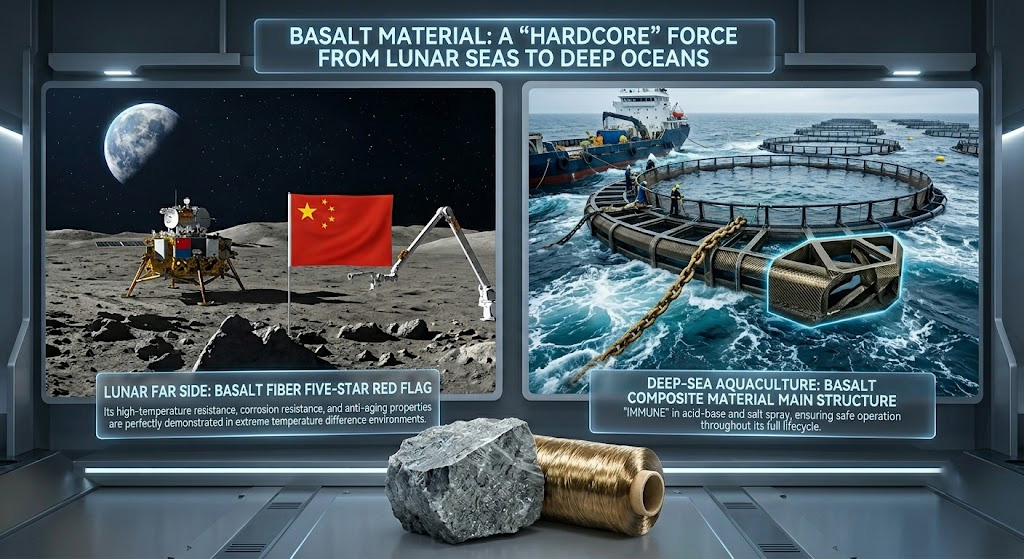
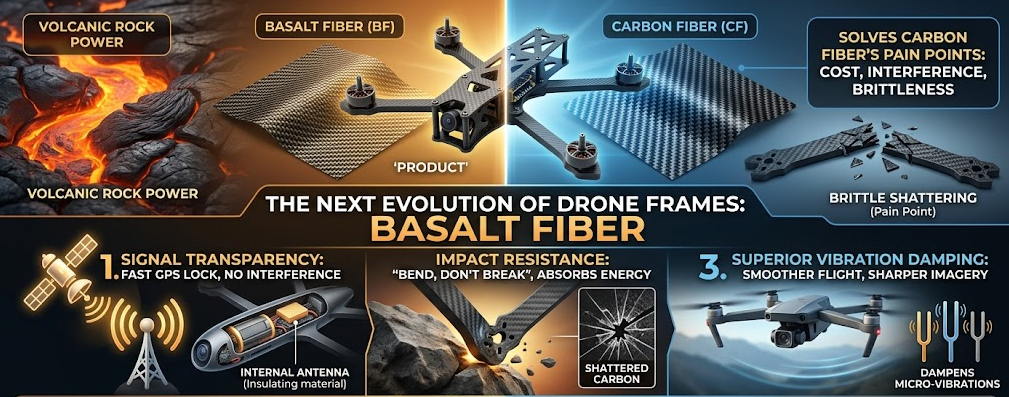
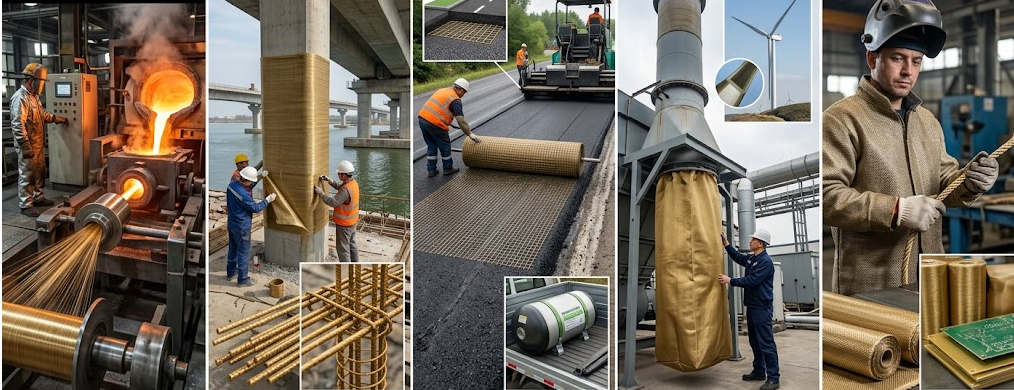
From the basalt fibernational flags unfurled on the far side of the moon to the main structures of deep-sea aquaculture platforms, and onto the crack-resistant subbases of highways, Basalt Materials have stood out in both extreme environments and everyday engineering projects due to their exceptional high-temperature resistance, corrosion resistance, and anti-aging performance.
Formed by the cooling and solidification of magma deep within the Earth, this natural volcanic rock exhibits 'hardcore' characteristics post-processing that far surpass conventional materials. Consequently, it has become a preferred alternative material in high-end manufacturing, infrastructure engineering, and Aerospace sectors. Today, we will break down the performance intensity of basalt materials across three core dimensions to understand exactly what makes it so robust.
01 High-Temperature Resistance: A 'Fireproof Warrior' under Extreme Thermal Variations
Withstanding Thousands of Degrees of Heat and Extreme Cold Crucial Tests
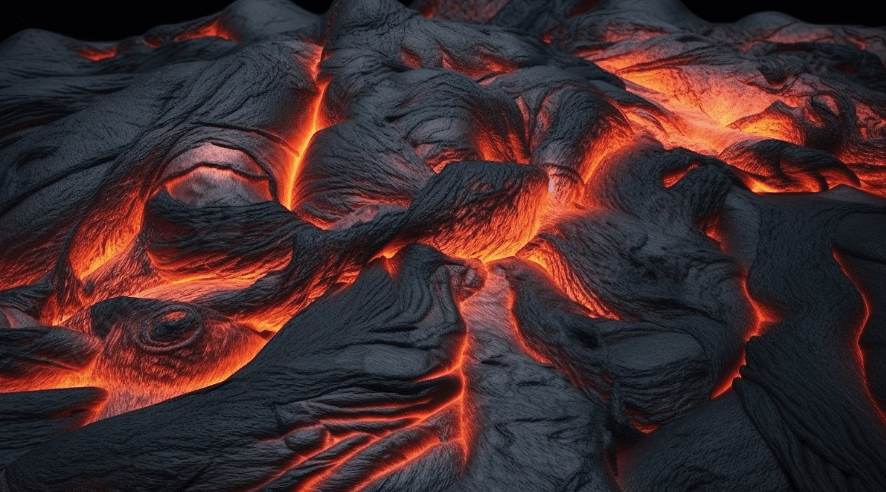
The superior high-temperature resistance of basalt materials originates from its natural volcanic formation. Being magma that cooled rapidly on the Earth's surface, it possesses an innate 'genetic' ability to withstand extreme heat. Through modern processing techniques, the resulting basalt fiber further enhances this thermal stability, becoming one of the few materials capable of operating reliably in extreme temperature differentials.
- Ultra-Wide Operating Temperature Range: The long-term operating temperature of basalt fiber spans from -269°C to 700°C, with an instantaneous threshold reaching up to 1200°C. In environments continuously exposed to 500-600°C, such as industrial kiln inner walls and high-temperature flue gas pipelines, it provides stable service over extended durations without softening, deforming, or degrading.
- Extreme Fire Safety: In fire emergencies, fire blankets woven from basalt fibers can directly block the spread of 1200°C flames. Crucially, they release zero toxic gases during combustion, securing golden escape windows for personnel and property protection.
- No Embrittlement at Ultra-Low Temperatures: In a cryogenic environment of -269°C, its mechanical properties show virtually no attenuation, avoiding issues like brittleness or fracture. The basalt fiber national flag carried by Chang'e-6 endured repeated high-and-low temperature cycles during its lunar orbit and landing phases, yet remained perfectly flat and undeformed.
When compared to standard materials, basalt's thermal tolerance is strikingly evident: common steel completely loses its structural strength above 600°C, and glass fiber begins to soften at around 200°C. In contrast, basalt materials retain over 80% of their original mechanical performance at a scorching 700°C, making them an ultra-reliable guardian in high-heat applications.
| Material Degradation Metrics | Basalt Fiber (CBF) | Glass Fiber (E-Glass) | Standard Carbon Steel |
| Long-term Operating Temp | -269°C ~ 700°C | -60°C ~ 380°C | -40°C ~ 450°C |
| Instantaneous Endurance Temp | 1200°C | 600°C | 1000°C |
| High-Temp Strength Retention | Retains over 80% at 700°C | Starts to soften around 200°C | Virtually loses strength above 600°C |
02 Corrosion Resistance: 'Invulnerable' Amid Acids, Alkalis, and Salt Sprays
Remaining Structurally Intact Even After Long-Term Submersion
The primary chemical components of basalt materials include SiO2, Al2O3, CaO, and other oxides, which build an incredibly dense crystalline structure. This natural architecture shields the material from erosion by various acids, alkalis, salt sprays, and chemical solvents, completely bypassing the corrosion, rusting, and degradation issues plaguing metals and concrete.
- Exceptional Acid and Alkali Retention: Scientific experiments reveal that after undergoing 40 wet-dry cycles in varied acid-base solutions ranging from pH 2 to 11, basalt materials maintain a strength retention rate exceeding 90%. This performance is vastly superior to traditional glass fibers, which suffer a 30% strength loss in less hostile pH 4–9 environments.
- The Marine Engineering 'Maintenance-Free' Fix: In marine environments where conventional steel structures bear heavy salt spray and tidal corrosion—requiring frequent, costly rust removal and recoating—basalt fiber composite profiles maintain a 95% strength retention rate after a 1000-hour salt spray test, demanding zero anti-corrosion maintenance.
| Typical Case Study: |
Furthermore, in setups where components are submerged in aggressive media for decades—such as wastewater treatment plant conduits or chemical reactor linings—basalt materials exhibit exceptional endurance against saltwater, sewage, and active chemical solvents. This drastically lowers corporate operational overhead and curtails unscheduled shutdowns for replacement.

03 Anti-Aging: Undegraded by Elements over Time
Service Life Greatly Outlasting Standard Materials
Anti-aging capability is a definitive metric for assessing the long-term reliability of engineering materials. Lacking organic components, basalt materials are intrinsically immune to ultraviolet radiation, wet-dry fluctuations, and natural weathering.
- Immunity to Ultraviolet Degradation: Experimental data demonstrates that after 10 years of natural outdoor exposure, basalt fiber's mechanical degradation does not exceed 10%, whereas common glass fibers typically lose over 30% of their strength under identical conditions. On the lunar surface, which is bombarded with intense UV radiation, the material's ability to maintain its color vividness and structural integrity stands as a powerful testament to its exceptional anti-UV-aging capacity.
- Weathering Resistance and Proof of Natural Longevity: The Permian Emeishan basalt in Southwest China has endured tens of millions of years of solar exposure, weathering, and wet-dry cycles while preserving an intact rock mass structure. This showcases the exceptional natural durability of the base material.
Tangible Engineering and Economic Benefits:
- Infrastructure Highways: Asphalt subbases infused with basalt fibers withstand extreme thermal shifts from -30°C to 60°C without cracking. This extends road service life from 5 years to 8 years. If adopted nationwide, it could reduce annual highway maintenance expenditures by over 20 billion RMB.
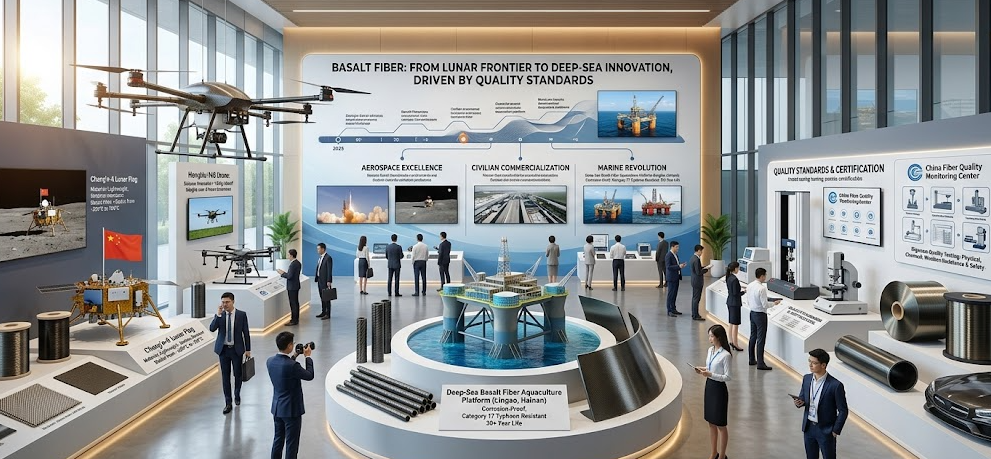
- Bridges and Offshore Platforms: Bridge components fabricated from basalt fiber composites can extend their operating lifespan from the conventional 50 years to well over a century. Similarly, a deep-sea aquaculture floating platform developed in Sichuan utilizing basalt fiber composites boasts a design life exceeding 30 years. It can operate stably under Category 17 super typhoons with virtually no specialized maintenance during its tenure, demonstrating unmatched anti-aging and extreme environmental survivability.
Conclusion: Inherently Hardcore, Unlocking New Frontiers in Industrial Application
The excellence of basalt materials does not stem from a singular prominent feature, but rather from the powerful convergence of all three parameters: high-temperature tolerance, corrosion resistance, and anti-aging properties. This all-around performance is a direct result of its natural volcanic origins and dense crystalline matrix, further enhanced by modern processing advancements.
From national flags on the moon to structural components in bridges and highways, and onward to deep-sea platforms and anti-corrosive chemical apparatuses, basalt materials are steadily replacing traditional steel and synthetic fibers. It has emerged as a pivotal material for driving green industrial transformations and overcoming engineering bottlenecks in extreme environments.
As global drawing technologies and composite modification methods continue to advance, production costs will optimize further. In the coming years, basalt materials are poised to shine even brighter across high-precision and cutting-edge industries, supplying humanity's production and lifestyle needs with more dependable, long-lasting structural support.