



The Future of Low-Altitude Aviation: Why Basalt Fiber Laminates Are Revolutionizing Drone Manufacturing
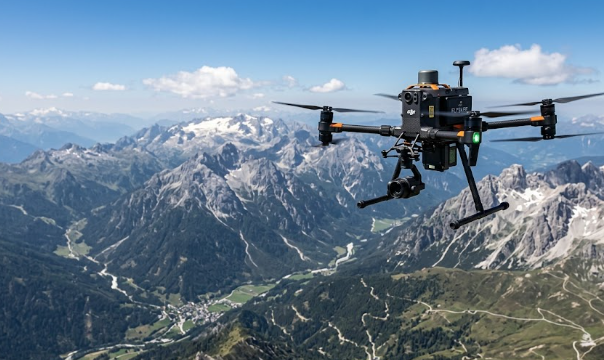
The global low-altitude economy is rapidly expanding. From logistics delivery and agricultural spraying to offshore patrol and emergency response, unmanned aerial vehicles (UAVs) are shifting from niche tools into vital everyday infrastructure.
However, scaling commercial drone operations comes with a non-negotiable engineering challenge: maximizing flight range and structural reliability without driving manufacturing costs out of reach.
While carbon fiber has historically dominated high-performance drone designs, a sustainable and high-value material derived from natural volcanic rock is disrupting the industry: Basalt Fiber Reinforced Polymer (BFRP) Laminates.
1. What is Basalt Fiber Laminate?
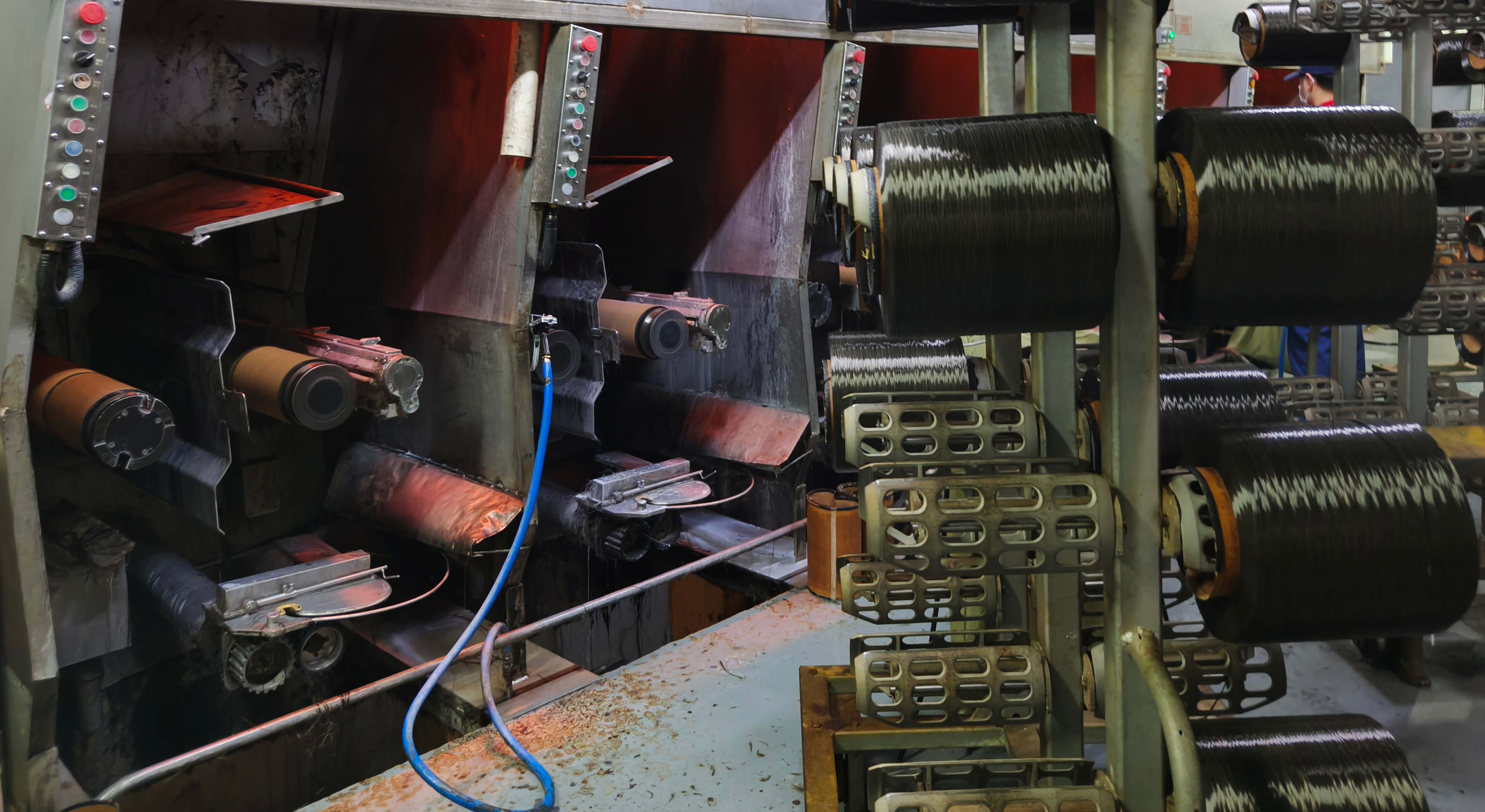
Basalt fiber is a high-performance non-crystalline inorganic material manufactured by melting natural Basalt Rock at high temperatures (around 1,450°C to 1,500°C) and extruding it through precision platinum-rhodium bushings into micro-filaments.
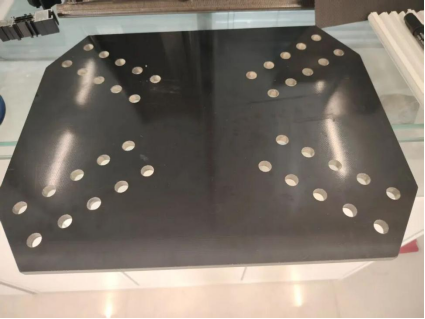
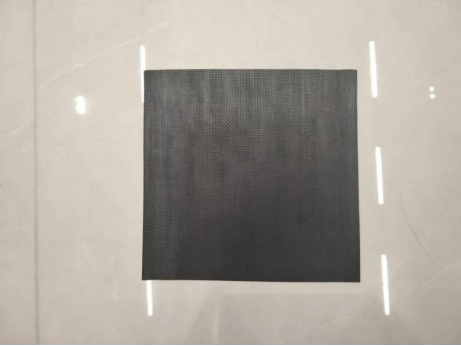
When consolidated with epoxy or vinyl ester resins through liquid molding, pultrusion, or autoclave processing, these fibers form Basalt Fiber Laminates. The result is a structural composite plate that inherits the raw durability of volcanic rock while offering exceptional strength-to-weight characteristics.
2. Key Advantages: Solving the Core Challenges of Drone Engineering
Weight Reduction & Range Extension
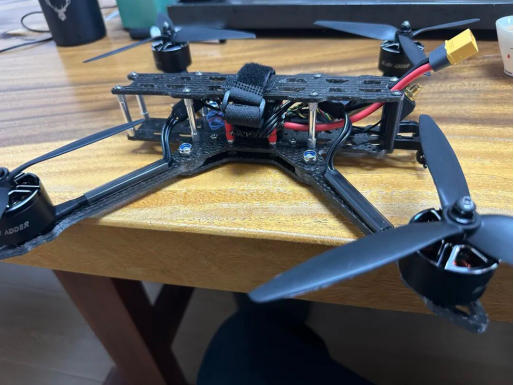
In UAV engineering, every gram directly impacts flight endurance and payload capacity. Basalt fiber laminates offer a low density paired with impressive tensile strength (often exceeding 3,000 MPa at the fiber level). This enables drone manufacturers to produce Lightweight, rigid airframes, effectively reducing the aircraft's gross weight to extend flight times and carry larger operational payloads.
Electromagnetic Transparency & Signal Stability
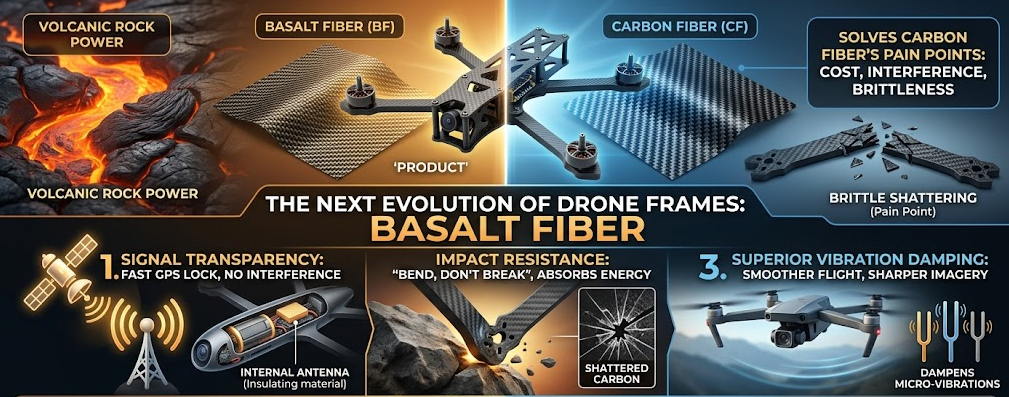
One major limitation of Carbon Fiber Reinforced Polymer (CFRP) is its electrical conductivity, which can shield radio frequencies, disrupt internal antennas, or require complex cutouts for telemetry.
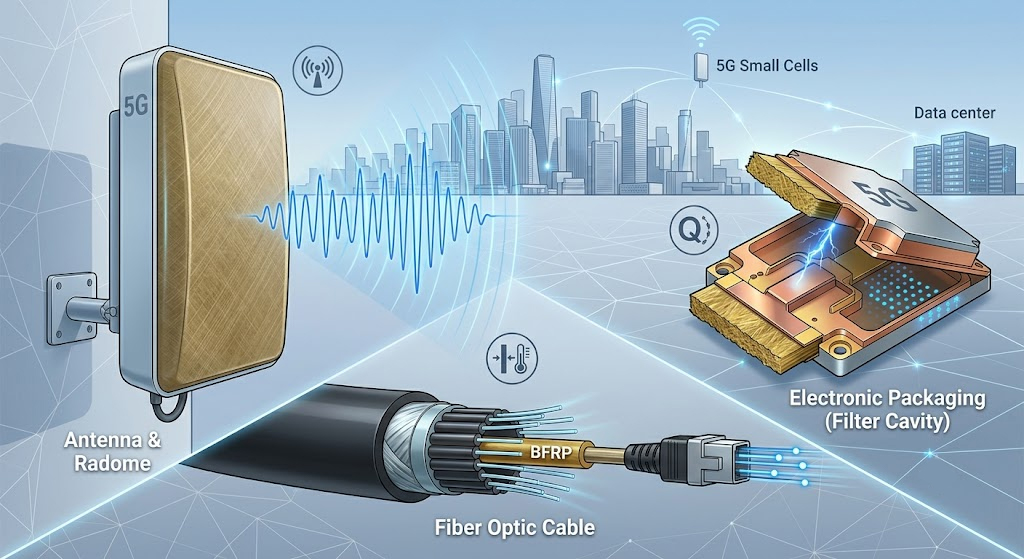
Basalt fiber is an excellent electrical insulator with superior wave-transmittance properties. Using basalt fiber laminates for avionics bays, radomes, and fuselage skins eliminates signal interference, ensuring stable GPS lock, clear real-time video transmission , and reliable communication with ground control stations.
Superior Impact Energy Absorption
While carbon fiber offers high stiffness, it is famously brittle under localized impact or multi-axis shock loads. Basalt fiber features a higher elongation at break, providing outstanding impact resistance and toughness. In hard landings, bird strikes, or low-altitude branch contact, basalt fiber laminates absorb impact energy effectively, preventing catastrophic airframe shatter and keeping internal electronics safe.
Extreme Environmental Durability
Commercial drones operate in harsh, unpredictable environments:
-
Offshore and Coastal Inspections: High humidity and aggressive salt fog corrosion.
-
Agriculture Spraying: Exposure to acidic, alkaline, and chemical pesticide formulations.
-
Extreme Climates: Sub-zero cold or intense UV radiation.
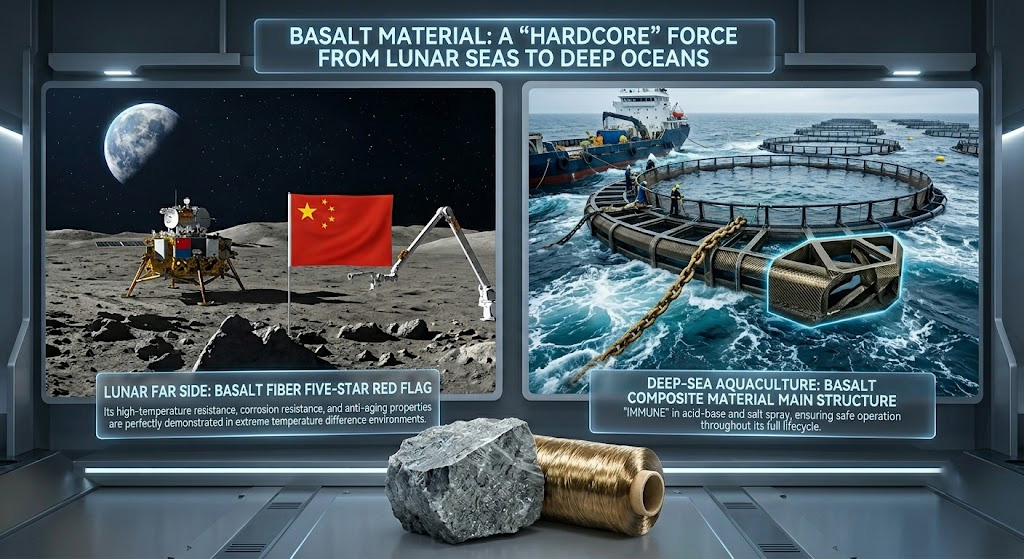
Basalt fiber is naturally inert. It resists chemical corrosion, salt spray, and moisture absorption far better than glass fiber, maintaining structural integrity across an operational temperature range from -260°C to +600°C.
Cost-Efficiency for Scaled Commercialization
For low-altitude commercial operations to achieve mass adoption, unit production costs must come down. Basalt fiber uses widely available natural rock with a simpler single-component manufacturing process compared to carbon fiber precursor production. Basalt fiber laminates deliver near-carbon-fiber mechanical performance at a significantly lower material cost, providing the ideal price-to-performance ratio for mass-produced commercial UAVs.