


Withstands 1300°C Without Burning Through! A Firefighting Suit Woven from Volcanic Rock—Lower Cost, Stronger Protection
Recently, after years of overcoming technical hurdles, Wuhan Textile University successfully drew hard Basalt into fibers finer than a human hair and wove them into "Basalt Dragon-Scale Suits" capable of withstanding temperatures of 1300°C. This breakthrough, which has attracted the attention of leading textile enterprises, not only addresses the protective shortcomings of traditional firefighting suits but also achieves superior performance at a lower cost. Representatives from the Wuhan Fire and Rescue Bureau recently visited the university to commission a batch of these suits. The innovation has drawn interest not only from local Hubei businesses but also from numerous leading textile companies across the country.
"Our 'Core-Wrapped Spinning' technology is a globally original, versatile technique. It stands out in the field of high-temperature resistant specialized clothing and has generated over 2 billion yuan in industry value," said Professor Xia Zhigang, head of the spinning research group under Academician Xu Weilin’s team, on May 19. He explained that the breakthrough in Basalt Fiber firefighting suit technology not only resolves the protective limitations of conventional suits but also powerfully advances textile material science and the industrialization of textile processing equipment, shifting the landscape of international competition.
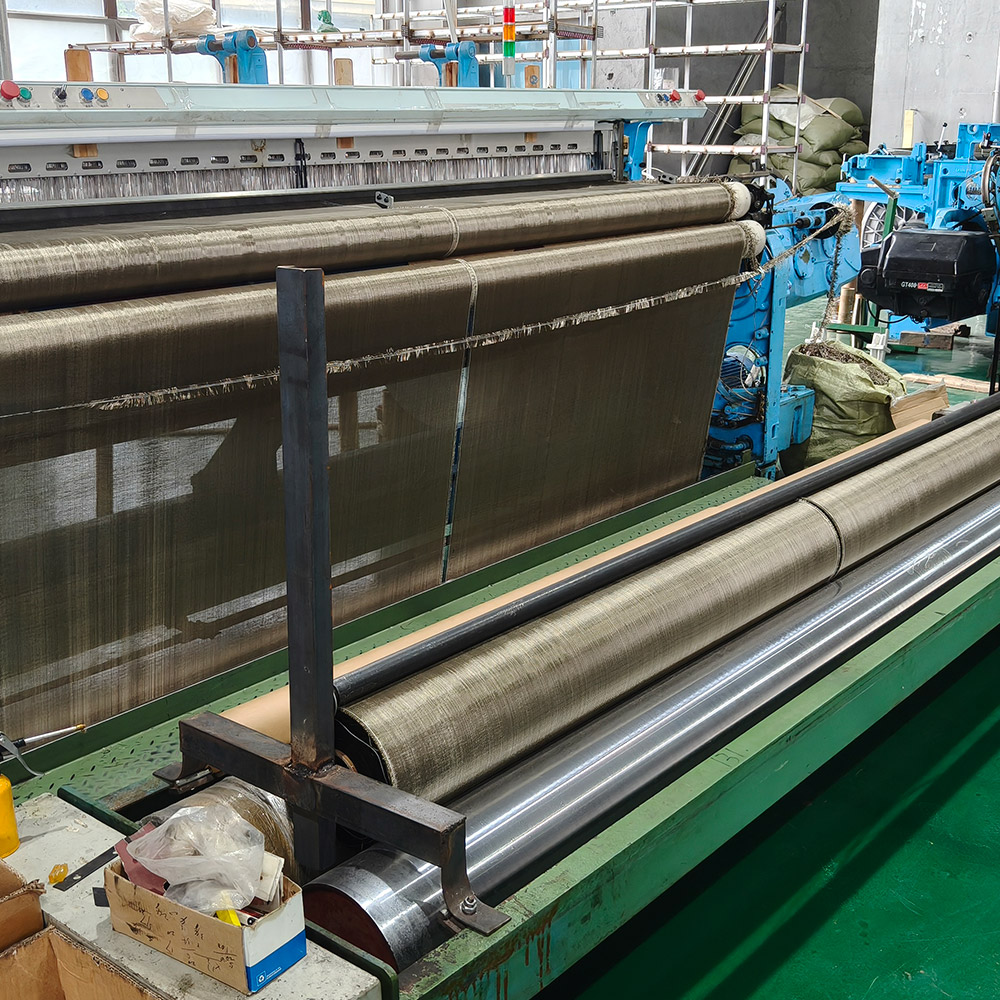
Sparking a Materials Revolution: Turning Stone into "Basalt Dragon-Scale Suits"
"The challenge regarding basalt materials originated from industry needs; our team actively responded to these demands by undertaking dedicated scientific research."
In 2017, while visiting two companies, Xia Zhigang and his team heard a unanimous request: Could inorganic materials—such as basalt—be used to extract fibers, spin yarn, and weave fabric to safeguard the lives of firefighters on the front lines?
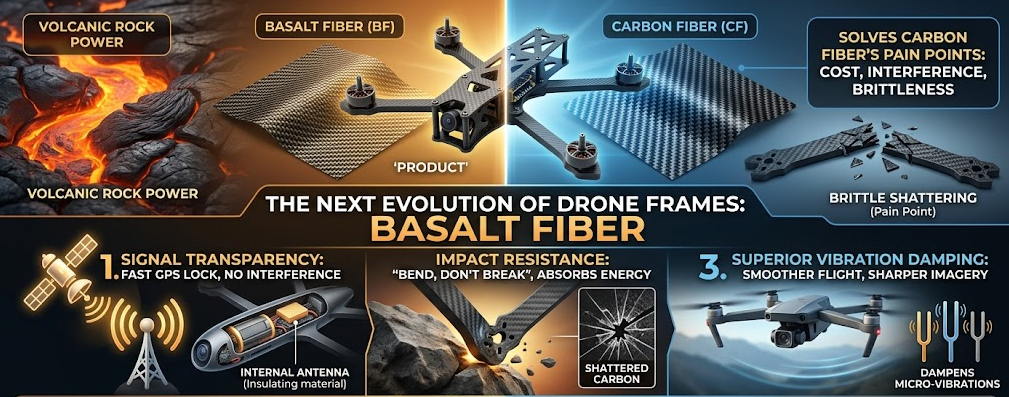
Basalt fiber offers excellent thermal and electrical insulation, fire and cold resistance, high Chemical inertness, corrosion resistance, and low cost. However, the fibers are rigid and prone to brittle fracture, making non-destructive, low-torque bending and twisting during textile processing difficult to control.
Driven by a mission to "take root in Hubei and stay committed to the production line," Xia Zhigang proposed: "This is a global challenge—shall we give it a try?"
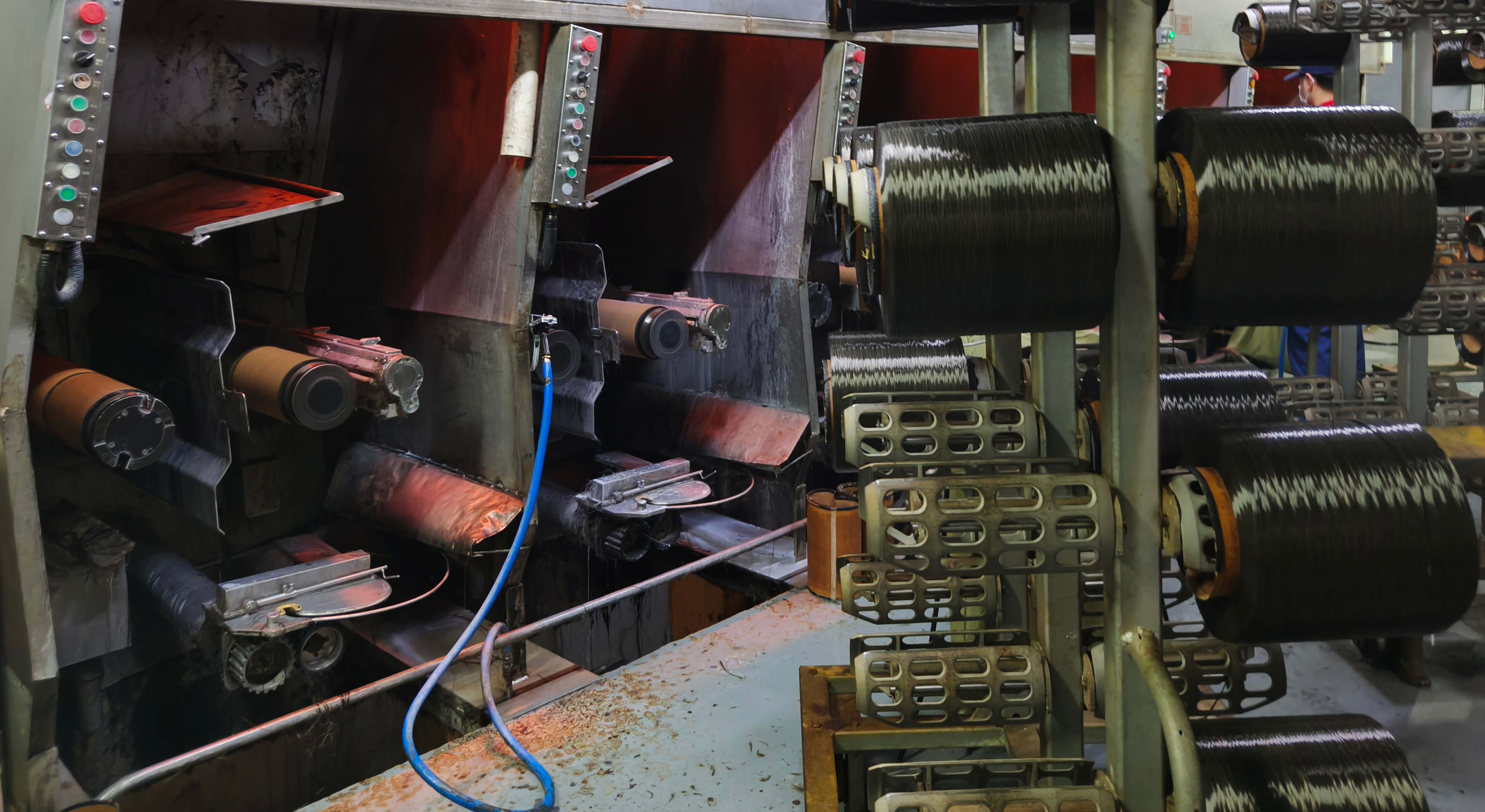
Upon returning to the university laboratory, Xia Zhigang organized a research task force and partnered with fiber-spinning and textile enterprises to launch a theoretical research initiative focused on basalt material innovation. Basalt fiber is an inorganic fiber derived from volcanic basalt rock. Through innovations in technical equipment and processing, it has become ultra-fine and flexible, while retaining its natural resistance to high temperatures and corrosion.
In 2021, the research team and industry partners joined forces; university laboratories collaborated closely with factory production lines to conduct continuous testing and validation. The fiber diameter was reduced from 12 microns and 10 microns down to just 5 microns—one-third the thickness of a human hair. After tens of thousands of torque tests, repeated calculations, experimental validations, and optimization based on feedback, the team finalized an optimal process for "non-destructive, bi-directional twisting with confinement." This ensured that the basalt fiber could be spun with minimal torque while remaining undamaged.
"Skin-friendliness—that was the toughest hurdle for basalt fiber fabrics!" The team's core breakthrough lies in "core-wrap spinning" technology: soft staple fibers are twisted around a basalt core filament. This approach retains the "rugged" protective core of the basalt fiber while delivering a lightweight, soft, and skin-friendly wearing experience. "We named this new technology 'non-destructive, low-torque, full-wrap yarn formation technology,'" explains Xia Zhigang. His team collaborated with multiple enterprises over several years to overcome technical challenges, drawing rigid basalt into fibers finer than human hair and weaving them into "Basalt Dragon-Scale Suits" capable of withstanding temperatures of 1,300°C. This breakthrough not only addressed the protective shortcomings of traditional firefighting gear but also achieved superior performance at a competitive cost.
From the Moon to the Fireground: A Firefighting Suit Embodies the "Pinnacle of Human Technology"
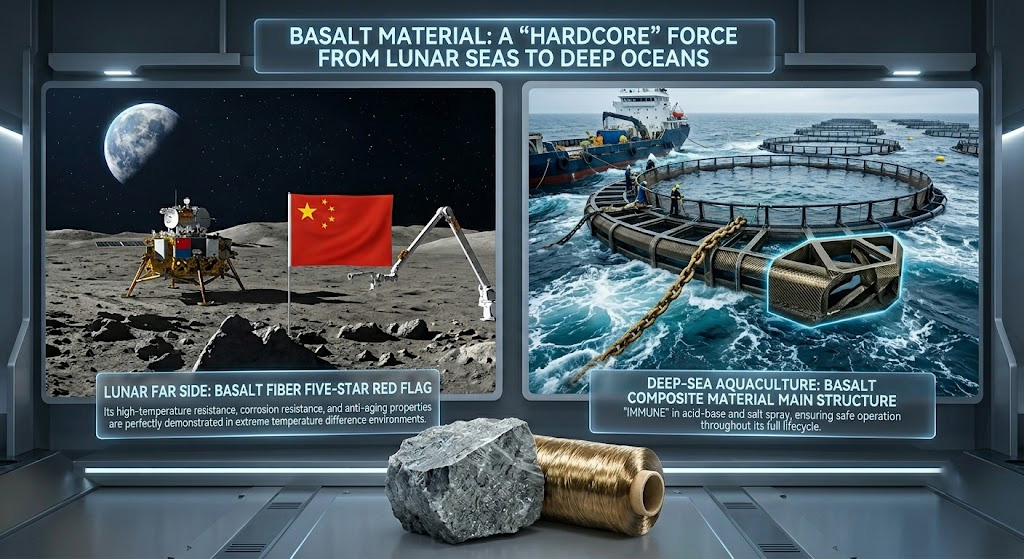
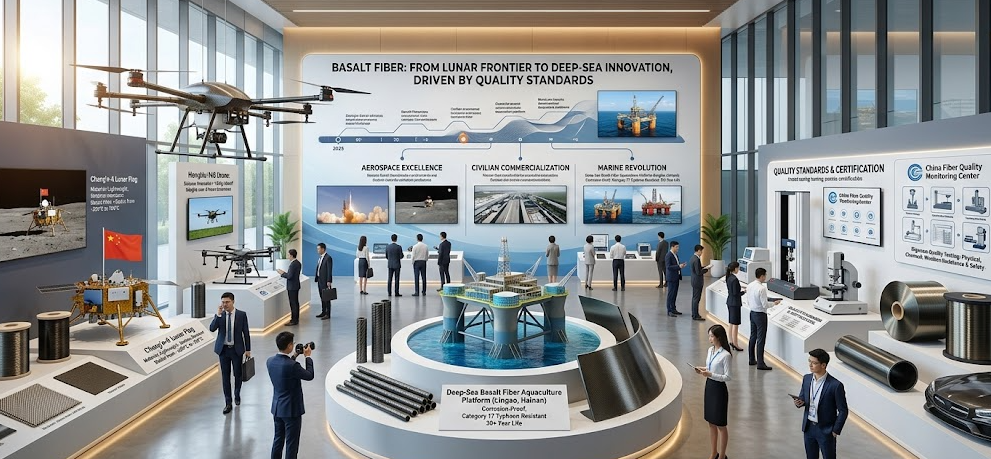
The national flag displayed on the lunar surface captured the world's attention in an instant... In 2024, the Chang'e-6 "lunar national flag" shone brightly in space. As the world's first basalt fiber flag to be displayed on the moon, it provided critical material support for my country's deep-space exploration missions. The basalt fiber spinning technology used for this flag was developed by Professor Xia Zhigang's team at Wuhan Textile University.
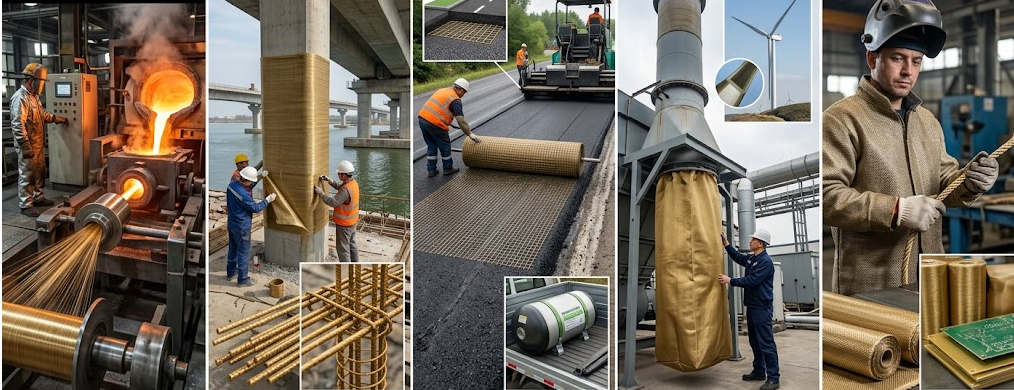
Today, the spinning technology developed by Professor Xia's team not only trains students and industry technicians but also supports major national projects and has been successfully commercialized across various civilian sectors, demonstrating immense market potential. Experiments demonstrated that when exposed to a 1,300°C torch flame for 10 seconds, traditional cotton fabric ignited instantly and an aramid firefighting suit was burned through completely, whereas the basalt fiber fire-resistant fabric showed only slight blackening.
In 2025, the team collaborated across the entire supply chain with multiple domestic enterprises to drive the large-scale production of basalt composite core-spun yarns, manufacturing products such as firefighting suits, boots, protective ropes, and fire blankets.
"Compared to traditional aramid firefighting suits, basalt fiber suits offer superior performance metrics: they withstand temperatures up to 1,300°C and operate reliably within a range of -200°C to 700°C, effectively resolving a critical technological bottleneck."
Xia Zhigang noted with pride that there are currently no directly comparable products on the international market, marking China's transition from a follower to a leader in this field. Meanwhile, the research team continues to work with enterprises on further optimization, driving the industrialization and application of more high-quality, innovative products.
"From Earth to the Moon, the application prospects for basalt fiber extend far beyond firefighting suits," Xia Zhigang said, looking to the future. He explained that the Moon possesses vast amounts of lunar soil with a structural composition similar to basalt; in the future, basalt fiber fabrics could be used to manufacture spacesuits and facilitate lunar construction, aiding humanity in further lunar exploration.