






What is the tensile strength of basalt mineral fiber?
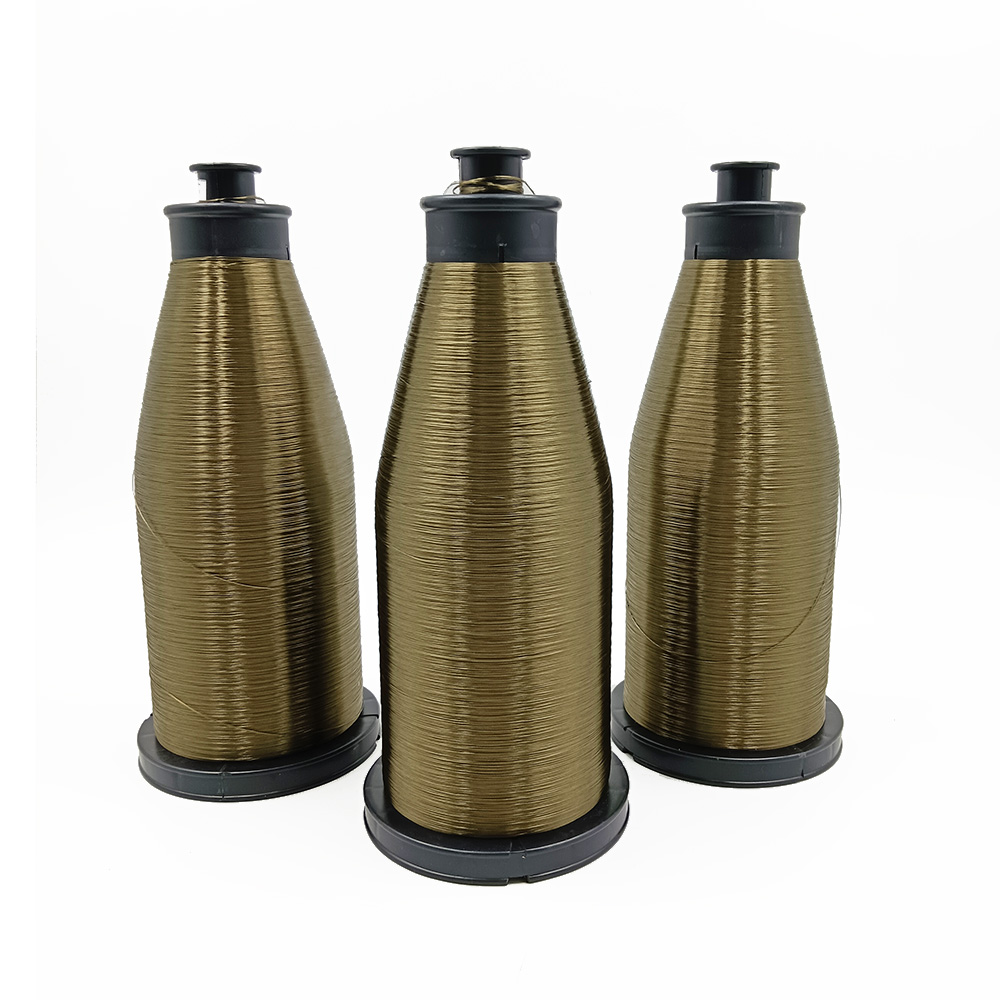
The tensile strength of basalt mineral fibersis a topic that needs to be analyzed from multiple perspectives. First, it is important to clarify that tensile strength refers to the maximum tensile stress a material can withstand before breaking. For Basalt Fibers, this value is typically between2000 MPa and 4800 MPa. The specific value is influenced by factors such as raw material composition, production process, and fiber diameter.
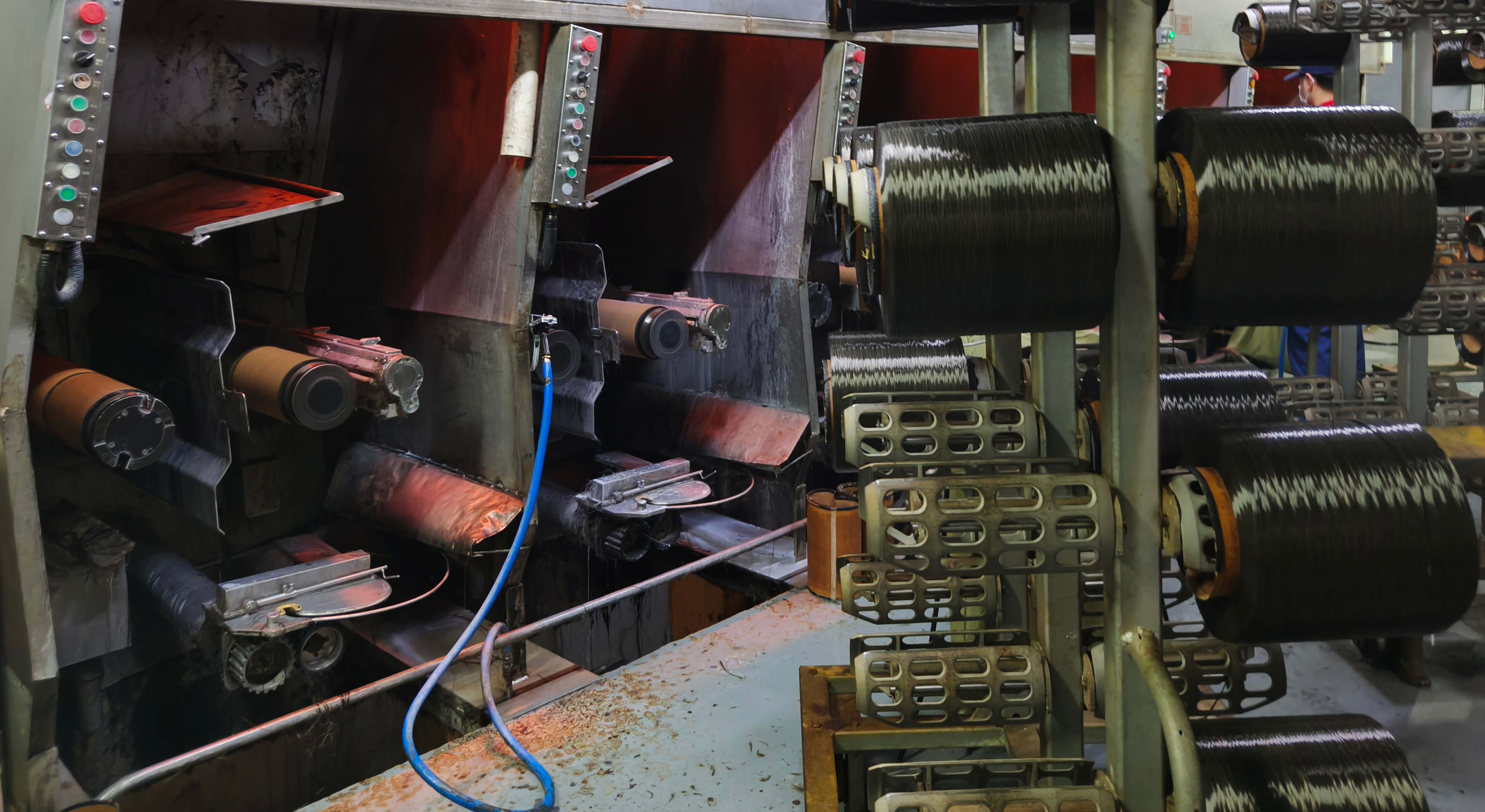
Why do basalt fibershave such high tensile strength? This is closely related to their microstructure. Basalt itself is a volcanic rock with main components including silicon dioxide, aluminum oxide, and iron oxide. After high-temperature melting, these components form a continuous three-dimensional network structure, which gives the fiber high rigidity. The rapid cooling during the Fiber Manufacturing process makes the molecular arrangement denser, further enhancing its mechanical properties.

The specific factors affecting tensile strength can be viewed from the following aspects:
-
Raw Material Composition: The composition of basalt ore from different origins varies. Generally, raw materials with a silicon dioxide content between 46% and 52% produce fibers with better strength. An excessively high iron oxide content may lead to a decrease in strength.
-
Production Process: The melting temperature is best controlled at 1400-1500°C. If the temperature is too low, the melt viscosity will be high, making drawing difficult; if it is too high, it may cause component volatilization. The drawing speed is also a key parameter; if it is too fast, the fiber diameter will be uneven.
-
Fiber Diameter: Basalt fibers with a conventional diameter of 9-13 microns have a popular tensile strength performance. Although theoretically thinner fibers have higher strength, they are prone to defects in actual production.
-
Surface Treatment: Some products are treated with a surface coating, which both protects the fiber and may have a certain impact on its strength.
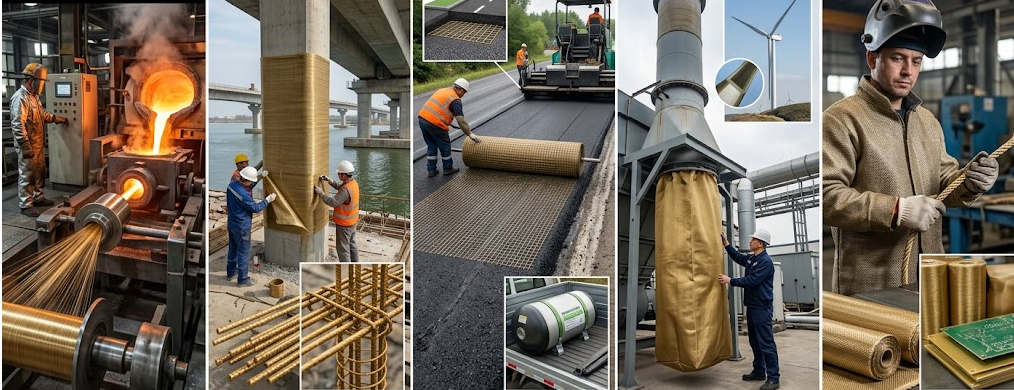
In practical applications, how to choose the right basalt fiber? This needs to be determined based on the specific use. For applications that require high strength, such as structural reinforcement materials, it is recommended to choose products with a nominal strength above 4000 MPa. For general purposes, such as insulation materials, the strength requirement can be appropriately lowered. It is important to note that laboratory test data may differ from performance in actual use environments. Factors such as temperature, humidity, and long-term load can all affect fiber performance.
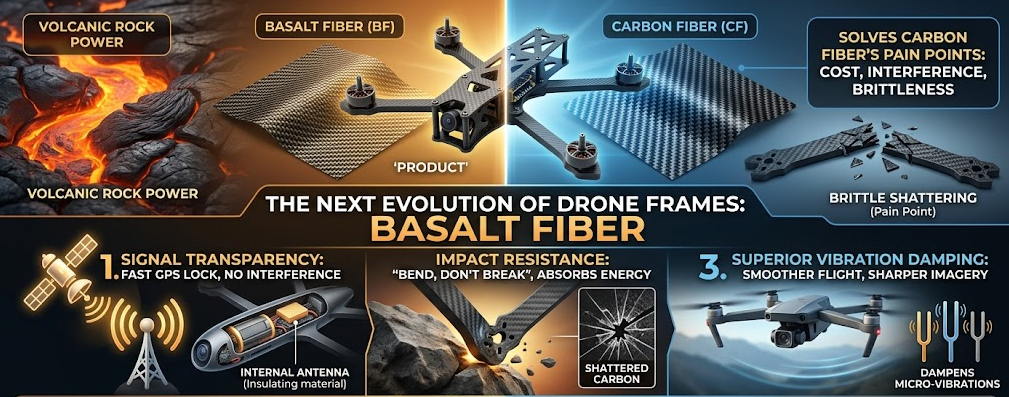
Regarding the comparison of basalt fiber strength with other fibers, a few common data points can be used for reference: the tensile strength of ordinary E-glass fiber is about 3000 MPa, S-glass fiber can reach 4500 MPa, and carbon fiber is between 3000-7000 MPa. From this perspective, the strength of basalt fiber is at a medium-to-high level. However, its advantages lie in lower raw material costs and better high-temperature resistance and chemical stability.
In terms of quality control, the single-fiber tensile test method is currently used to determine strength. During testing, special attention must be paid to the sample preparation process to avoid the introduction of defects due to human factors. Industry standards generally require testing at least 50 fibers and taking the average value as the final result. Since there is a certain discreteness in fiber strength, this number of tests can ensure the reliability of the data.
Regarding future development trends, researchers are trying to further improve the strength of basalt fibers through methods such as nanomodification and composite spinning. For example, adding a small amount of special components to the raw materials can optimize melt properties; using electromagnetic field-assisted drawing technology can improve the uniformity of the fiber structure. Although these new processes are still in the laboratory stage, they show good application prospects.
The retention of tensile strength is also a concern for users. Experimental data show that in a dry environment at room temperature, the strength retention rate of high-quality basalt fibers can still reach over 90% after ten years. However, in high-temperature or corrosive environments, this value will decrease. Therefore, in actual engineering applications, appropriate protective measures should be selected based on environmental conditions.
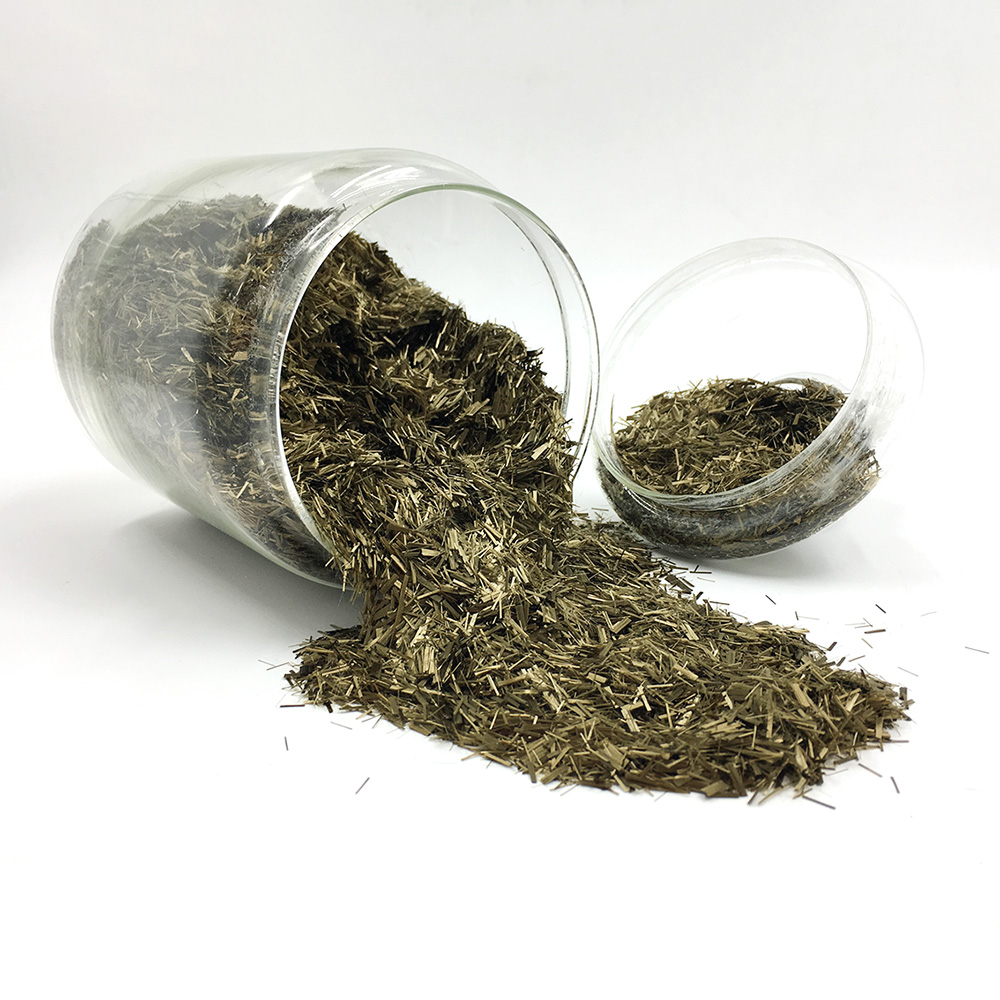
Finally, it needs to be reminded that although basalt fiber has high tensile strength, the interfacial bonding performance also needs to be considered in specific products. For example, in concrete reinforcement applications, the bonding strength between the fiber and the matrix is often more important than the strength of the fiber itself. This needs to be optimized through surface treatment or the addition of coupling agents.