


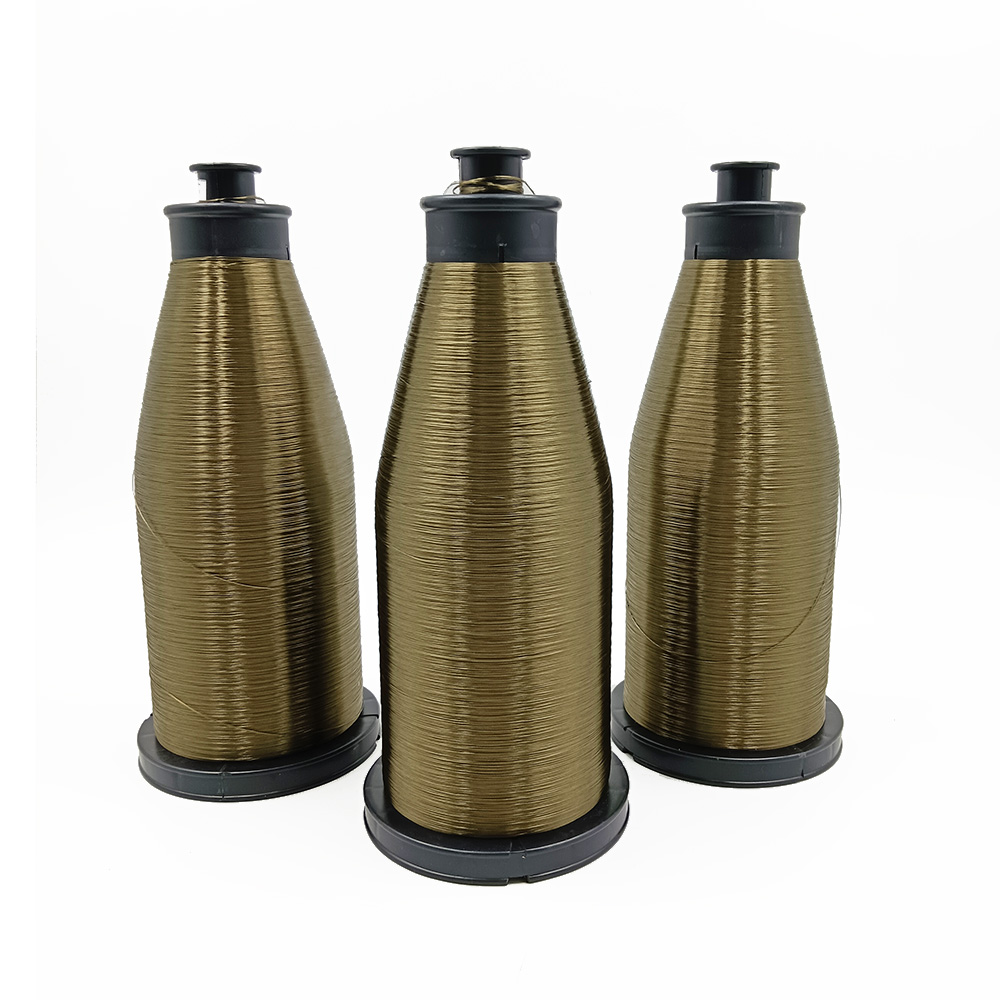
Applications of Basalt Fiber Reinforced Plastics (BFRP) in Automotive, Marine, and Aviation Sectors
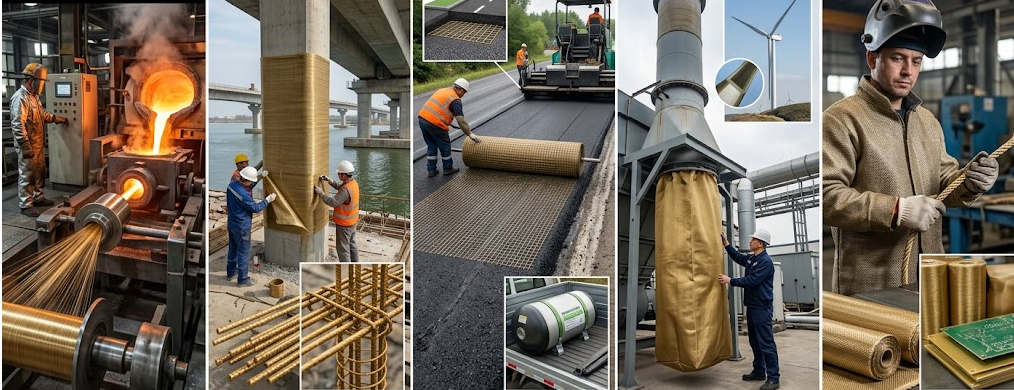
1.High-Performance Automotive Components Leveraging BFRP's characteristics—green, low-carbon, Lightweight, high-strength, low creep rate, and low thermal conductivity—can achieve lightweight and high-performance in automotive components (such as battery housings, wheel hubs, air intake manifolds, and car doors). In 2023, Foton Motor released a super low-carbon truck built onbasalt fiber, a new low-carbon material. Furthermore, FAW Hongqi was the first in China to adopt basalt fiber for interior trim in its vehicles.
2.Composite High-Pressure Hydrogen Storage Tanks for Vehicles All-metal gas cylinders have a large mass-to-volume ratio, making it difficult to meet the requirements for hydrogen storage density per unit mass. Basalt fiber is an ideal material for manufacturing vehicle wound cylinders, enabling high-pressure storage and achieving a weight reduction of over 50% compared to all-metal cylinders.
3.Wear-Resistant Rubber Products Basalt fiber cord fabric dipped in rubber exhibits good adhesion to rubber. As a reinforcing skeletal material for rubber, it can be used in the tire industry and industrial conveyor belts. In rubber tires, this technology offers advantages such as reducing rolling resistance and tire inertia, improving fuel efficiency, and enhancing corrosion and aging resistance. In rubber conveyor belts, the technology provides excellent heat resistance, is less prone to deformation at high temperatures, offers 3-5 times higher wear resistance than traditional rubber belts, and prevents electrostatic sparks.
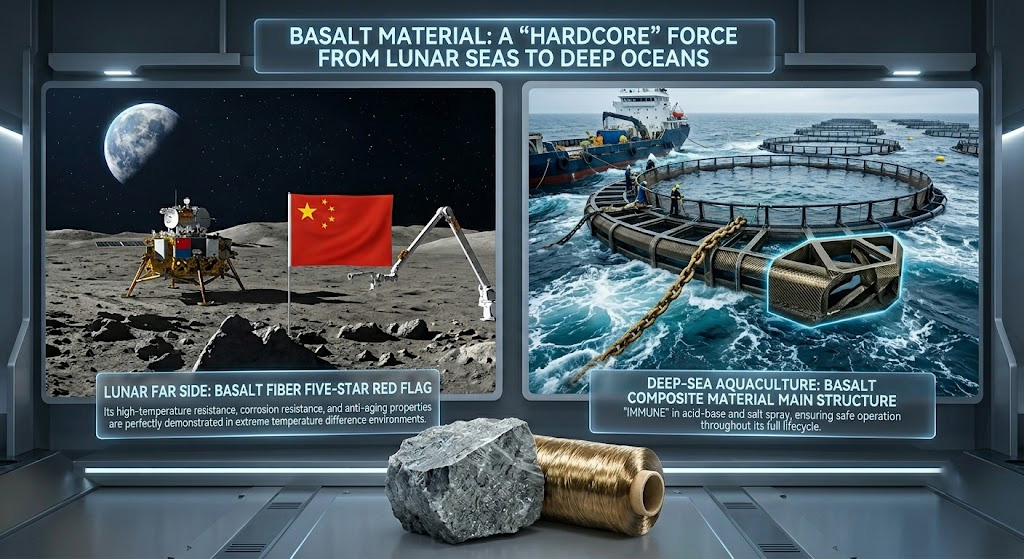
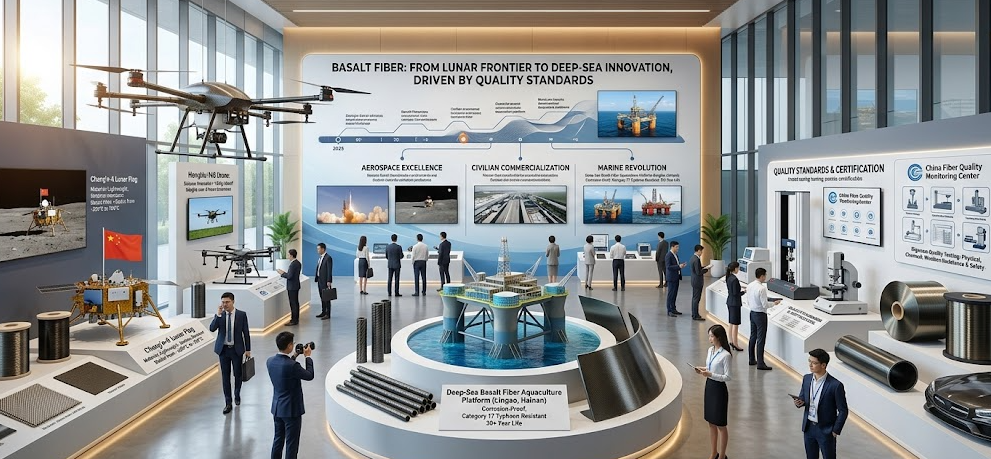
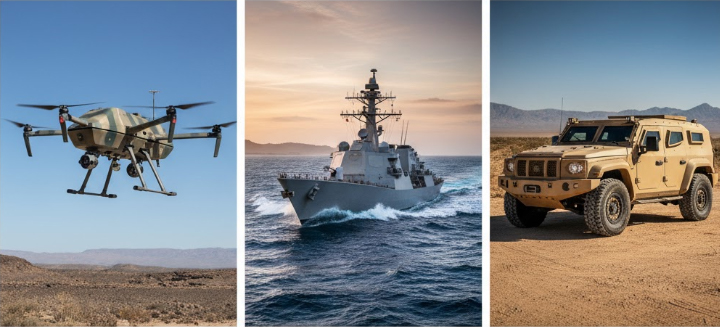
4.High-Strength Pultruded Plates/Pipes High-strength BFRP plates can be used for ship decks, providing corrosion resistance, high strength, difficulty for aquatic organisms to adhere, and excellent acoustic, magnetic, and electrical properties. BFRP pultruded tubes/large-diameter wound pipes can be used for ship masts, offering fatigue resistance, lightweight characteristics, corrosion resistance, improved performance for detectors, and avoidance of radar signal and communication interference.
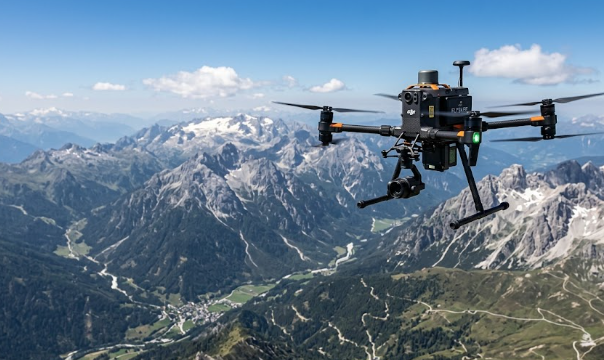
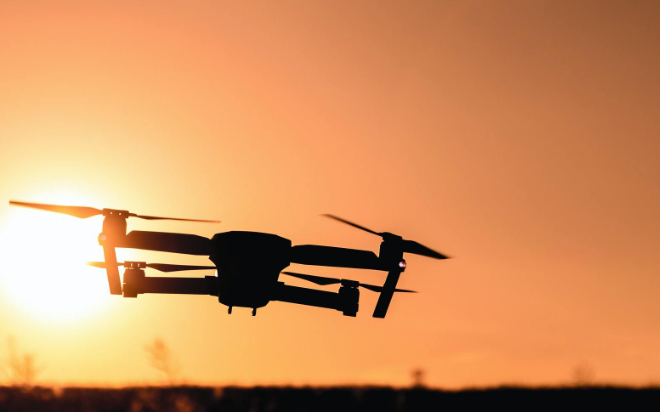
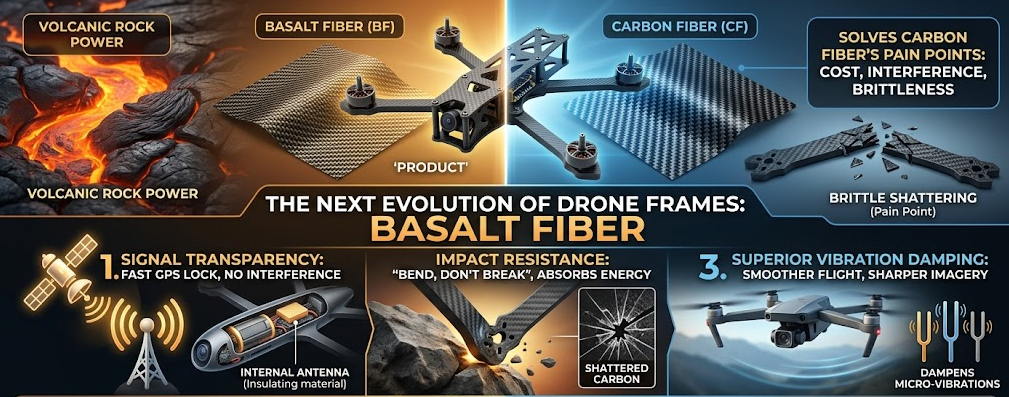
5.Composite Material Unmanned Aerial Vehicles (UAVs) BFRP is used as a structural material for UAVs and aircraft, enhancing radiation resistance and anti-interference capabilities. It solves the electromagnetic shielding problem associated with CFRP (Carbon Fiber Reinforced Plastics) while simultaneously reducing self-weight, improving structural strength and durability, and lowering costs.
Conclusion
The unique attributes of Basalt Fiber Reinforced Plastics—particularly their combination of high strength, light weight, environmental stability, and excellent electromagnetic transparency—position them as a critical material for next-generation engineering. As industries increasingly seek sustainable solutions for lightweighting and enhanced performance, the adoption of BFRP across automotive, marine, and aviation sectors is expected to accelerate, driving innovation and efficiency in these key global industries.