





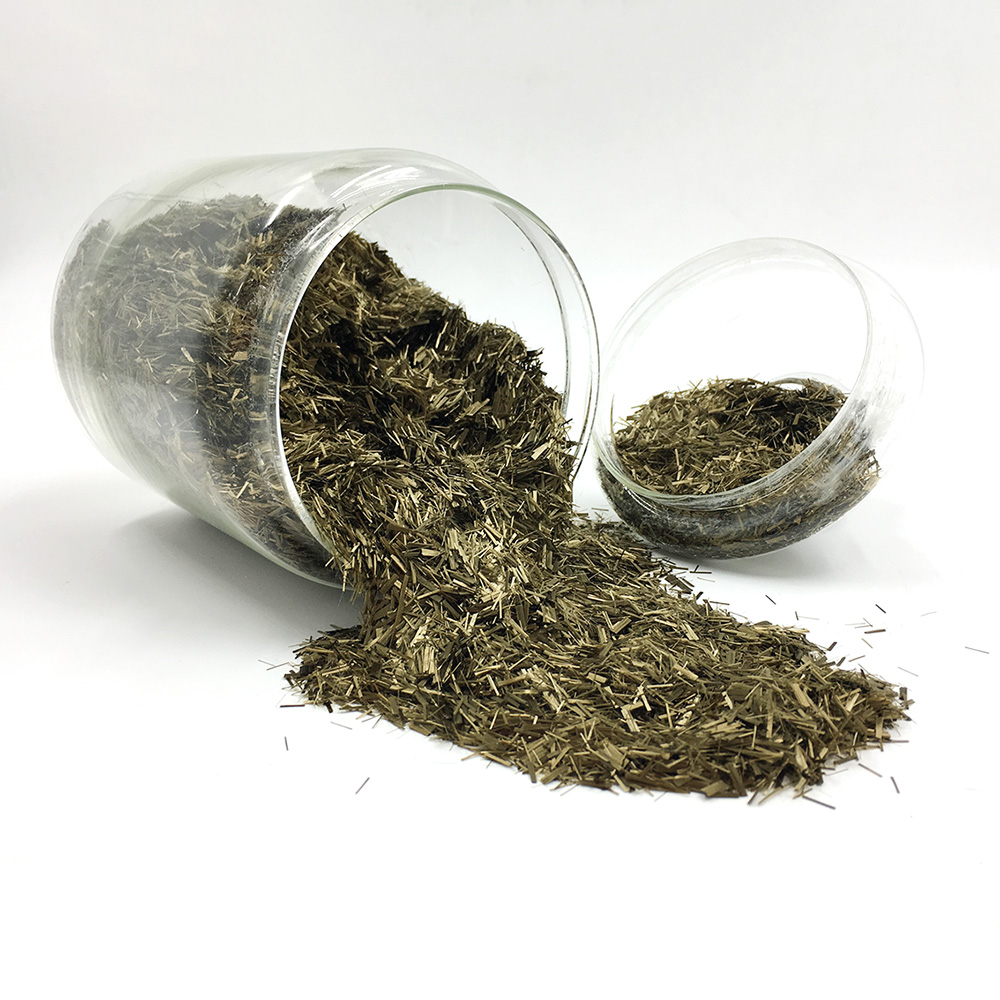
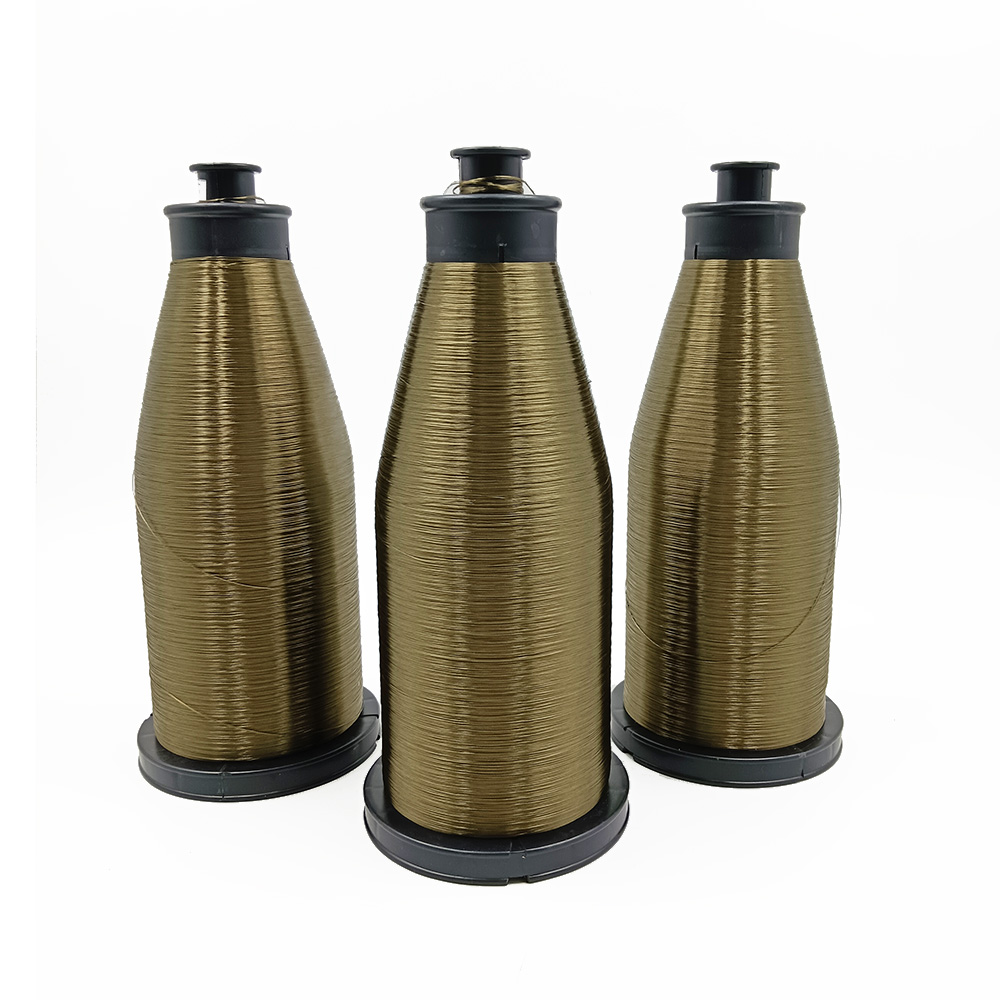
Basalt fiber is reshaping the fireproofing market landscape
Basaltis widely distributed and inexpensive in my country. Its fiber production cost is low, and it has significant comprehensive advantages compared to chemical fibers, carbon fibers, and Glass Fibers. It has great market potential and is a new type of high-tech, high-value-added product for the new era.
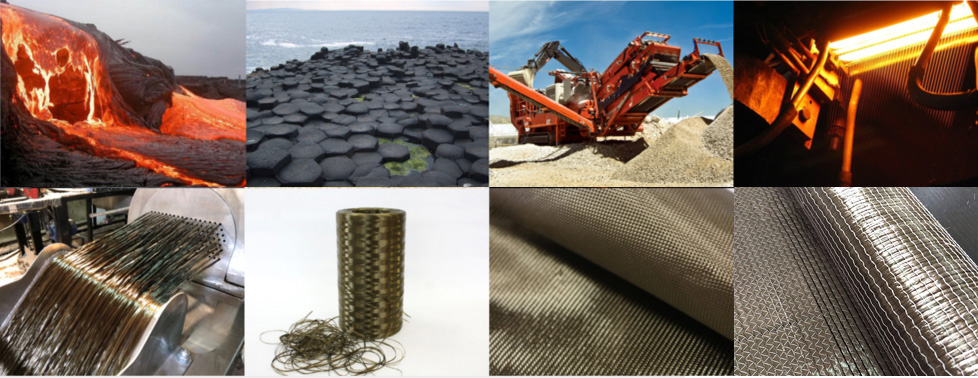
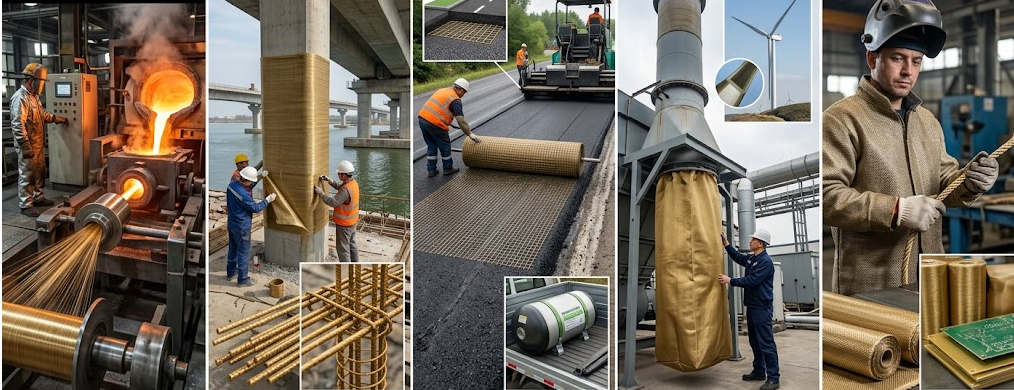
In recent years, green fireproof and heat-insulating materials have gradually gained attention. Basalt fiber, as an environmentally friendly material, has become the preferred material for fireproofing and heat insulation, possessing characteristics such as lightweight, fire resistance, heat insulation, and aesthetic appeal. Basalt fiber composite fireproof and heat-insulating materials, composed of abasalt fiber fabric layer, a high-temperature resistant rubber layer, a polyester fiber film layer, a vapor-deposited aluminum reflective layer, and a flammable adhesive and Basof blended fabric layer, exhibit excellent flame-retardant and high-temperature performance. In high-temperature environments, it can absorb some heat, resulting in better heat insulation, while remaining non-combustible, providing superior protection. It is applied in fire protection, petrochemical, military, and metallurgical fields.
According to Professor Qi Fengjie of the College of Polymer Materials at Northeastern University, fireproof cloth made from basalt fiber exhibits excellent high-temperature resistance and insulation, with a temperature resistance up to 650℃ and a limiting oxygen index greater than 68, significantly superior to organic fibers such as aramid. This makes it particularly suitable for manufacturing industrial fire curtains. Basalt fiber fireproof cloth will not deform or burst under a 100℃ flame, maintaining its fire resistance for over one hour. It also provides protection in humid, steamy, smoke-filled, and chemically flammable environments. Furthermore, blending basalt fiber with other fibers can produce higher-specification flame-retardant fireproof fabrics, offering significant advantages for special forces equipment.
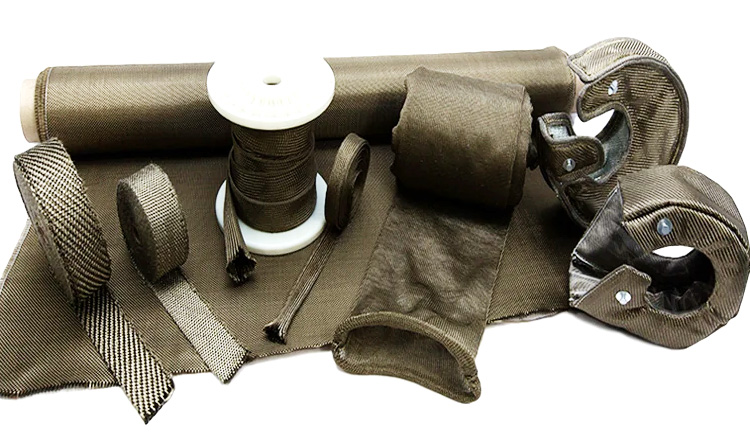
Currently, in the international market, DuPont's Kevar, Nomex, and Tefon fibers are the preferred raw materials for fireproof cloth. While these three materials possess high-temperature resistance and chemical resistance, they undergo carbonization and decomposition at temperatures above 370℃. Basalt fiber fireproof cloth is woven from continuous basalt fiber yarns of 7um~9umn from GBF Company. It undergoes a high-temperature resistant, non-toxic coating treatment, preventing melting and dripping, thermal shrinkage, and the emission of toxic gases. It can serve as a strong alternative to fireproof fiber cloths such as Kevlar, Nomex, and Teflon.
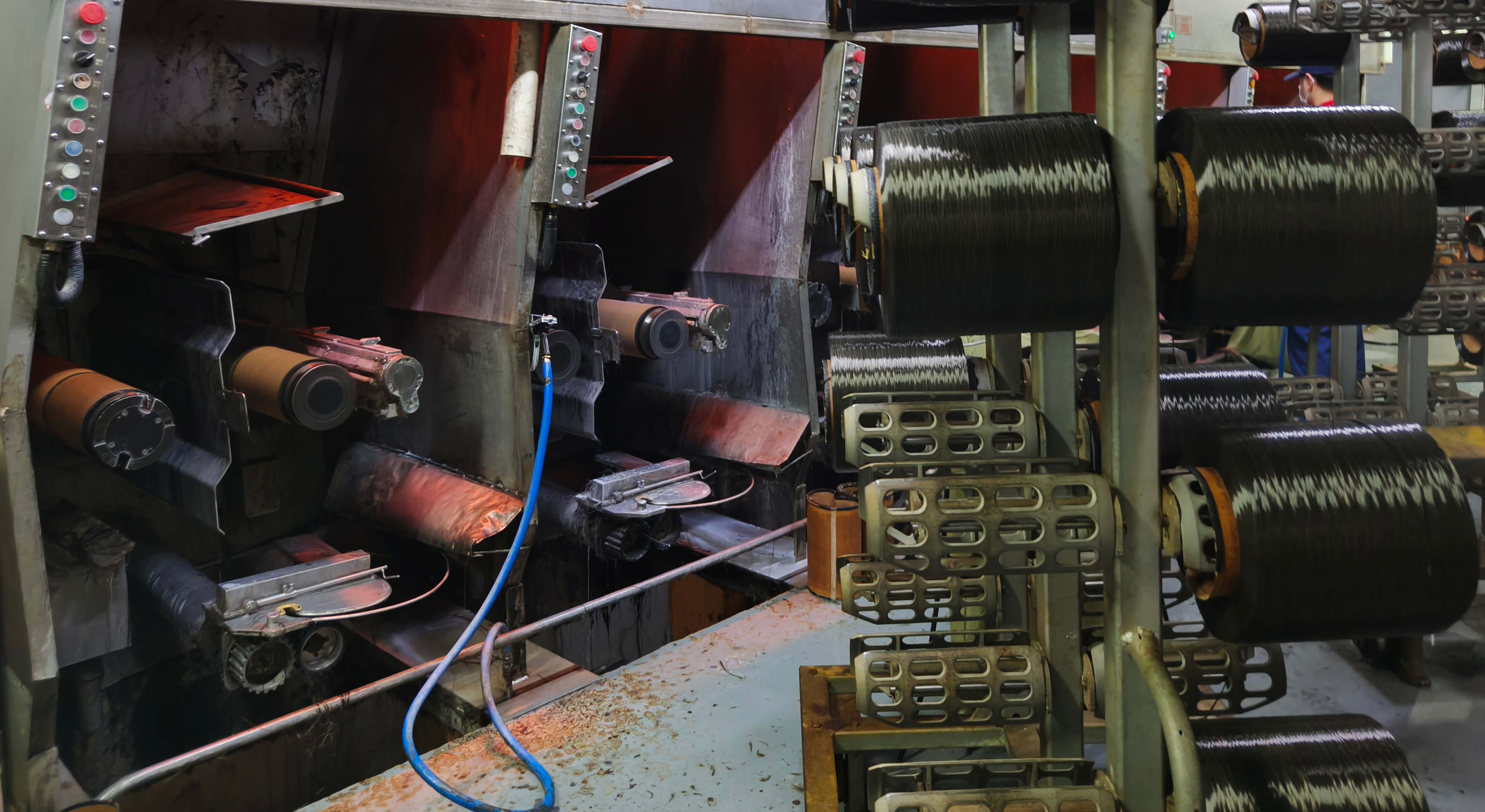
The production of basalt fiber is difficult due to the challenges of yarn formation and process control, which has limited the development of industrial textiles using basalt fiber. Currently, only a few countries worldwide, including Russia, Ukraine, and my country, possess this production technology, with a global output of less than 3,500 tons. Through arduous exploration and practice, Chinese companies have overcome the technical difficulties in basalt fiber production and have achieved mass production, forming a certain market scale.