



Basalt Fiber Untwisted Cloth: A "Reinforcing Skeleton" and "Functional Carrier" for Composite Materials
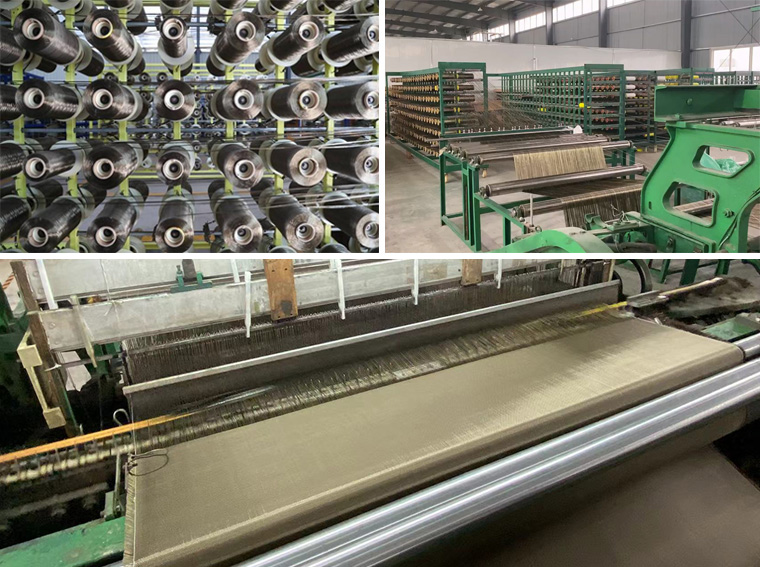
Basalt fiber untwisted cloth is a thin fabric woven from continuous basalt fiber filaments (untwisted or weakly twisted) using simple weave structures such as plain and twill. Its core value lies in maximizing the retention of the mechanical properties and functionality of basalt fibers through a structural design of "low twist + high continuity," making it an ideal reinforcing substrate in the field of composite clotherials.

- Core Characteristics: Dual Advantages of Performance Retention and Process Adaptation
High Mechanical Retention Rate: The "untwisted" design avoids the internal stress and strength loss caused by twisting, allowing the tensile strength and elastic modulus of the cloth to approach the level of the original basalt fiber(tensile strength can reach over 3000MPa, elastic modulus approxiclothely 90~110GPa), far exceeding that of Glass Fiber untwisted cloth of the same specifications.
Excellent wettability: The loose, uniform pore structure of the cloth provides a large contact area with resins (epoxy resin, unsaturated polyester resin, etc.), enabling rapid resin impregnation, reducing internal air bubble defects in the composite clotherial, and ensuring the mechanical stability of the finished product.
Strong dimensional stability: Basalt fiber has a low coefficient of linear expansion (approxiclothely 6×10⁻⁶/℃), and the untwisted cloth is less prone to shrinkage or deforclothion due to temperature changes or stress during molding and use, making it suitable for high-precision composite clotherial manufacturing.
Outstanding environmental resistance: Inheriting the high and low temperature resistance (long-term operating temperature -260℃~650℃), acid and alkali Corrosion Resistance (superior stability to solutions such as hydrochloric acid and sodium hydroxide compared to glass fiber), and aging resistance (no risk of UV degradation), it is suitable for extreme working conditions.
- Core Application Value: From Structural Reinforcement to Functional Composite
(1) Composite clotherial Reinforced Substrate: A "Dual Core" of Lightweight and High Strength
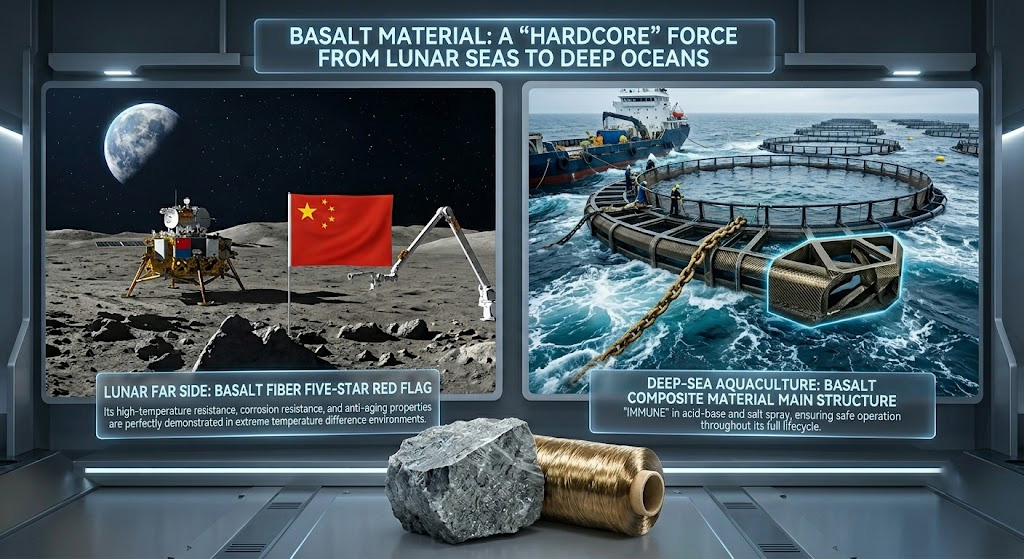
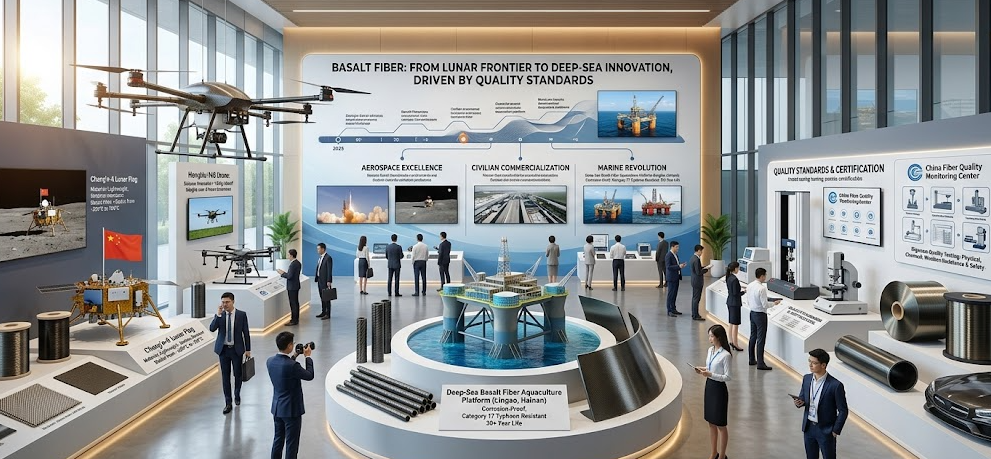
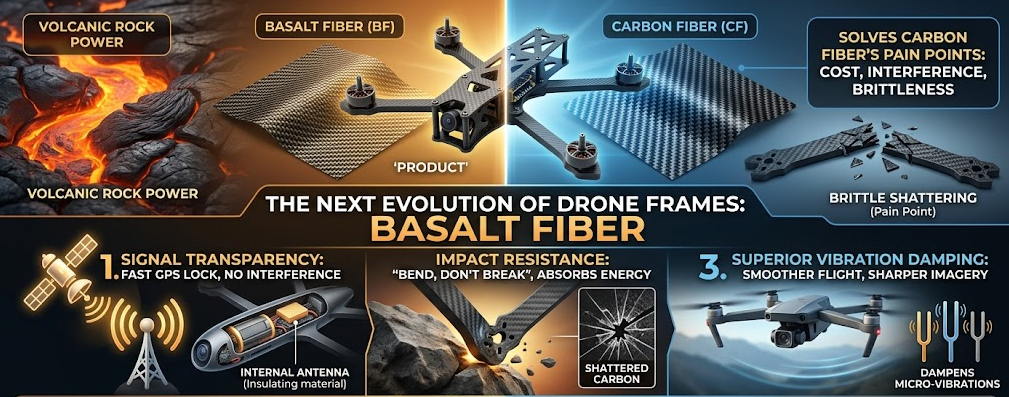
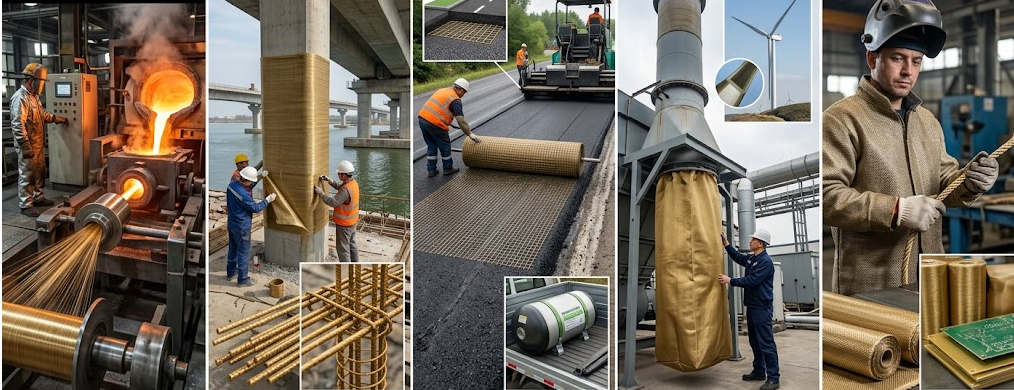
Untwisted cloth is the core "skeleton" of basalt fiber reinforced polymer (BFRP), widely replacing glass fiber cloth and carbon fiber cloth, and applied in scenarios where cost and performance are balanced. In the transportation sector, it is used in lightweight automotive components (such as door panels and chassis guards), high-speed train interior substrates, and ship deck reinforcement layers, achieving a weight reduction of 30%~50% while ensuring structural impact resistance and seawater corrosion resistance; in the construction and infrastructure sector, as a reinforcing clotherial for bridge reinforcement, tunnel lining, and concrete components, it avoids corrosion problems and extends structural life (service life can reach more than 50 years) compared to traditional steel bars, and is also used in fiberglass pipes and storage tanks to improve resistance to acid and alkali media corrosion; in the aerospace auxiliary clotherials sector, it replaces some carbon fiber reinforcement clotherials in non-load-bearing or secondary load-bearing components such as satellite brackets and drone fuselages with the advantages of "low cost + high performance," reducing manufacturing costs.
(2) High-Temperature Protection and Insulation Carrier: "Precise Adaptation" to Functional Scenarios
Relying on its high-temperature resistance and insulation properties, untwisted cloth extends its functions in industrial protection and electronics. In terms of high-temperature protection products, after coating treatment (such as silicone rubber coating), it is made into fire blankets, welding protective cloths, and metallurgical industry heat insulation curtains, which can withstand instantaneous high-temperature impacts of over 800°C without the risk of melting and dripping, which is superior to traditional fiberglass protective products. In terms of electronic insulation clotherials, as an insulating pad or wrapping tape for motors and transformers, it has a low dielectric loss tangent (<0.01), high breakdown voltage (>20kV/mm), and is resistant to damp heat aging, which meets the long-term stable operation requirements of high-voltage electrical equipment.