







Factors affecting the preparation of basalt fibers
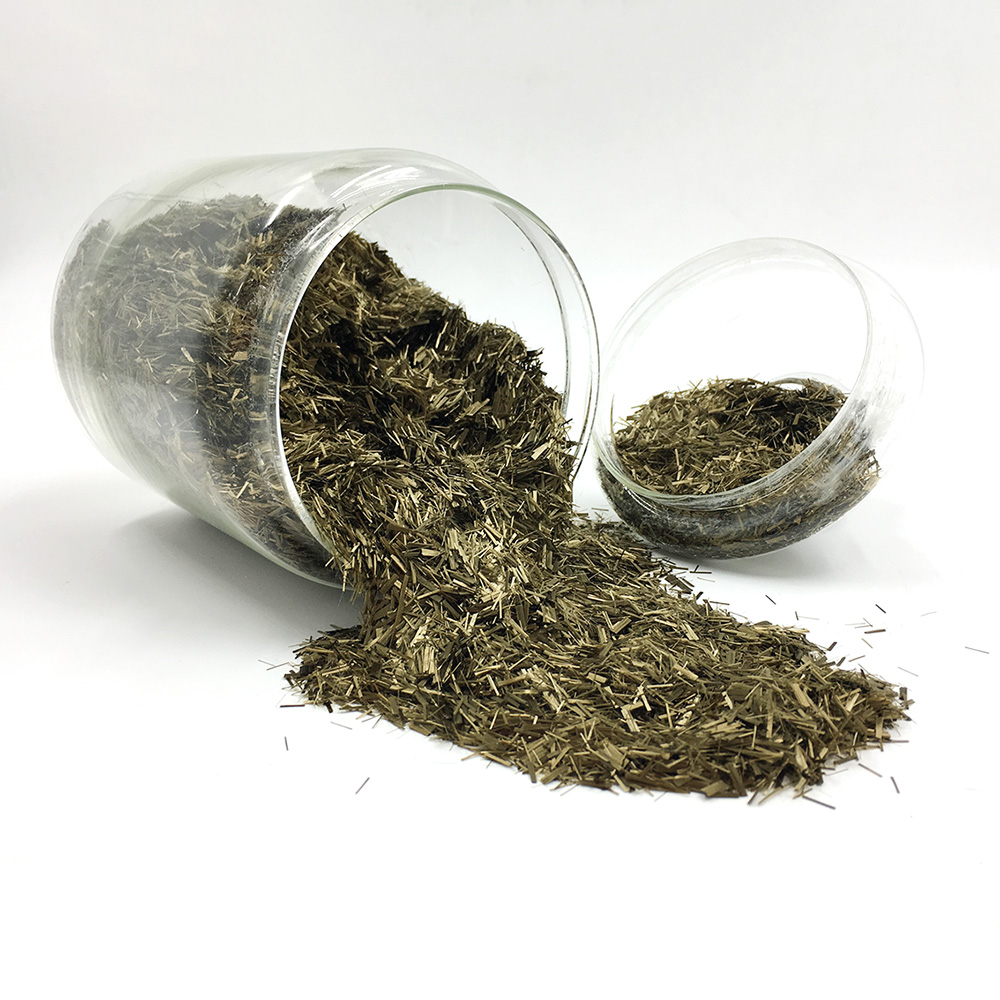
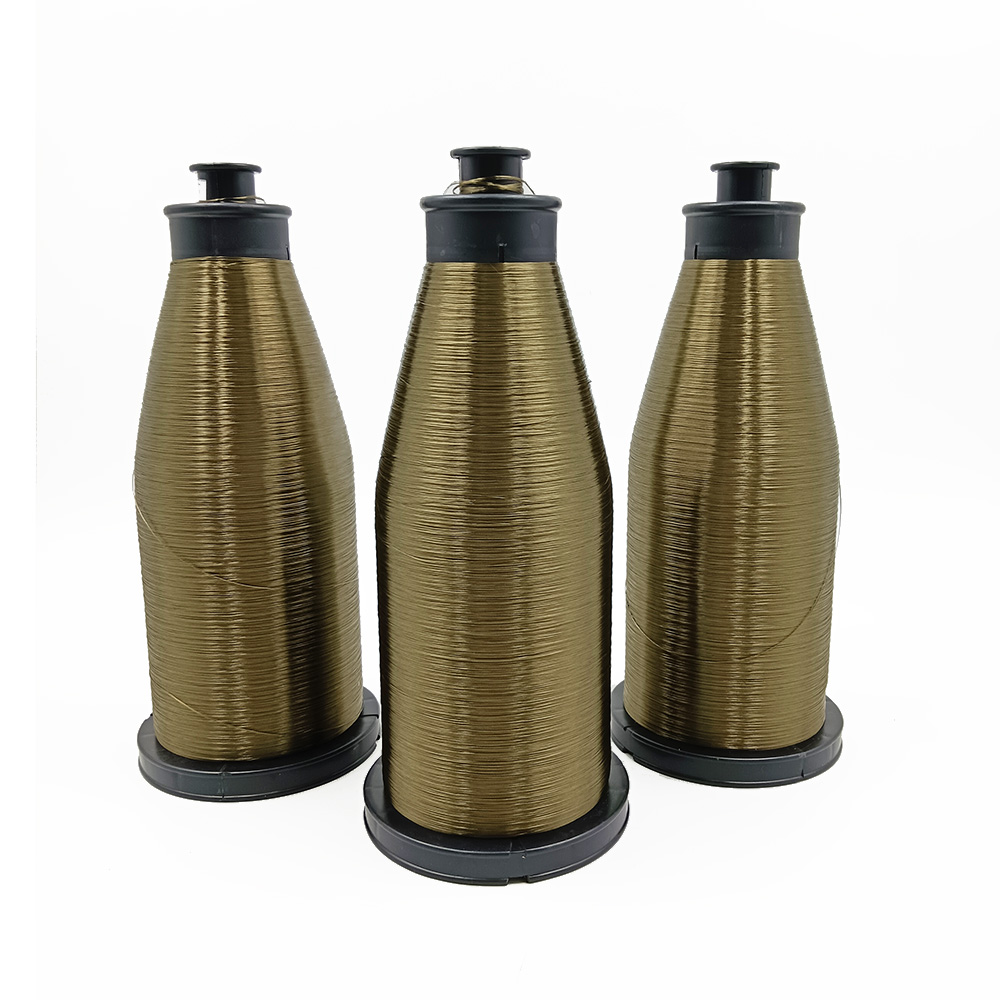
As a natural ore in nature, the Chemical composition and internal crystallization ofbasalt raw materialsare very different. The melting temperature increases with the content of quartz and plagioclase feldspar (calcium feldspar and sodium feldspar) but decreases with the content of pyroxene (tremolite and ultramafic). In the preparation, the mineral components gradually melt, the ordered crystal structure into an amorphous glass structure, uneven ore material will lead to insufficient melting, uneven melt, melting efficiency is low, not completely melted in the case of easy precipitation of crystals, often the phenomenon of broken filaments, affecting the tensile strength of the fibers, the quality of the product and performance. On the microscopic scale, after crushing the basalt ore melt glass body irregular shape of the block is shown in Figure A; Basalt Fiber surface morphology is cylindrical, and smooth, with no obvious cracks and attachments as shown in Figure B. In the process of fiber fibers, the temperature of 1,350 ~ 1450 ℃, with the increase in temperature, the fiber diameter, precipitation of crystals to reduce the amount of fiber strength increased and reached its maximum value in 1390 ℃; basalt ore homogenization time of 0 ~ 1450 ℃, the temperature of 1,350 ~ 1450 ℃, the fiber diameter increase, precipitation of crystals to reduce the amount of fiber strength increased and reached its maximum value in 1390 ℃; basalt Ore homogenization time 0 ~ 25h, when the homogenization of 5h when thebasalt fiber strength has reached a better ideal state, with the homogenization time and then extended, the fiber structure polymerization degree rises, the fiber diameter becomes smaller, reducing the probability of cracks produced by the fiber, the fiber strength is a tendency to increase.
The key equipment, the furnace, the cellar, and the leakage sheet, also affect the preparation of basalt fibers. When heated, as it melts, the denser iron oxides are transported to the bottom of the kiln and become enriched in the leakage sheet, which in turn erodes the sheet. Typically, the service life of a small sheet is 9 months and that of a larger sheet is 11 months. It has been suggested that coating the surface of the leakage sheet with a special treatment agent may have an enhanced effect, but the type of treatment agent, dosage, and method of application still need to be tested and developed.
Impregnating agents can be used for surface treatment of basalt fibers, is to achieve the special performance of basalt fibers, the core technology, the quality of the fiber itself, and the subsequent composite materials have an important impact on the physical and chemical properties. The current use of the infiltration agent, most of the reference to the glass fiber infiltration agent formulations, commonly used varieties of epoxy resin emulsion class, and the future development of infiltration agent specifically for basalt fibers, will have a key role in promoting the development and application of the industry.
