






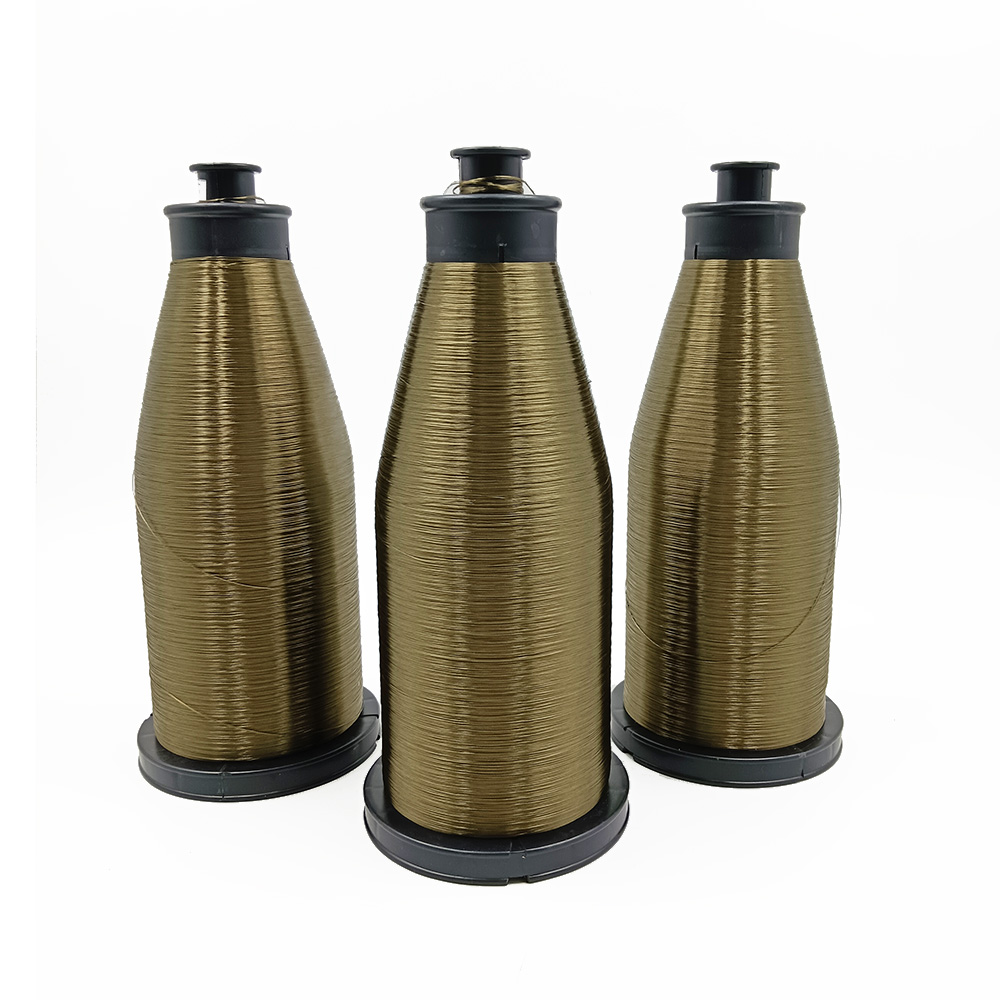
High-Temperature Resistant, Corrosion-Resistant Natural Inorganic Fiber—Basalt Fiber.
Basalt fiberis an inorganic fiber material made primarily from natural basalt rock. It is processed through high-temperature melting and drawing processes, resulting in stable Chemical and physical properties. This fiber has applications in various fields, characterized by its abundant raw material source and relatively simple production process.
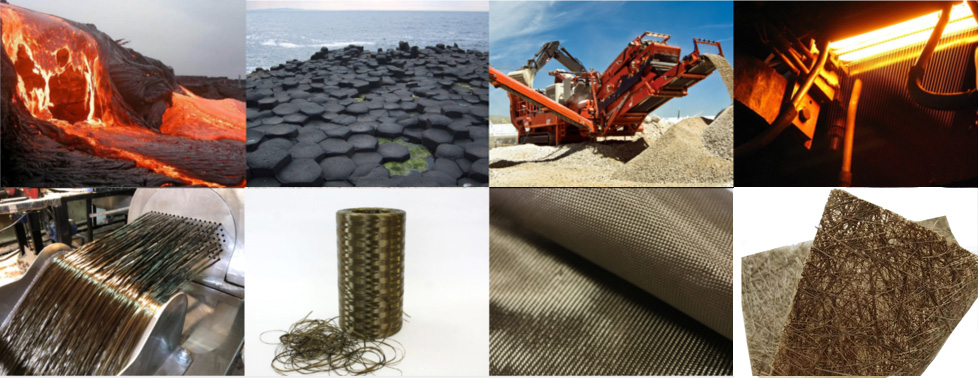
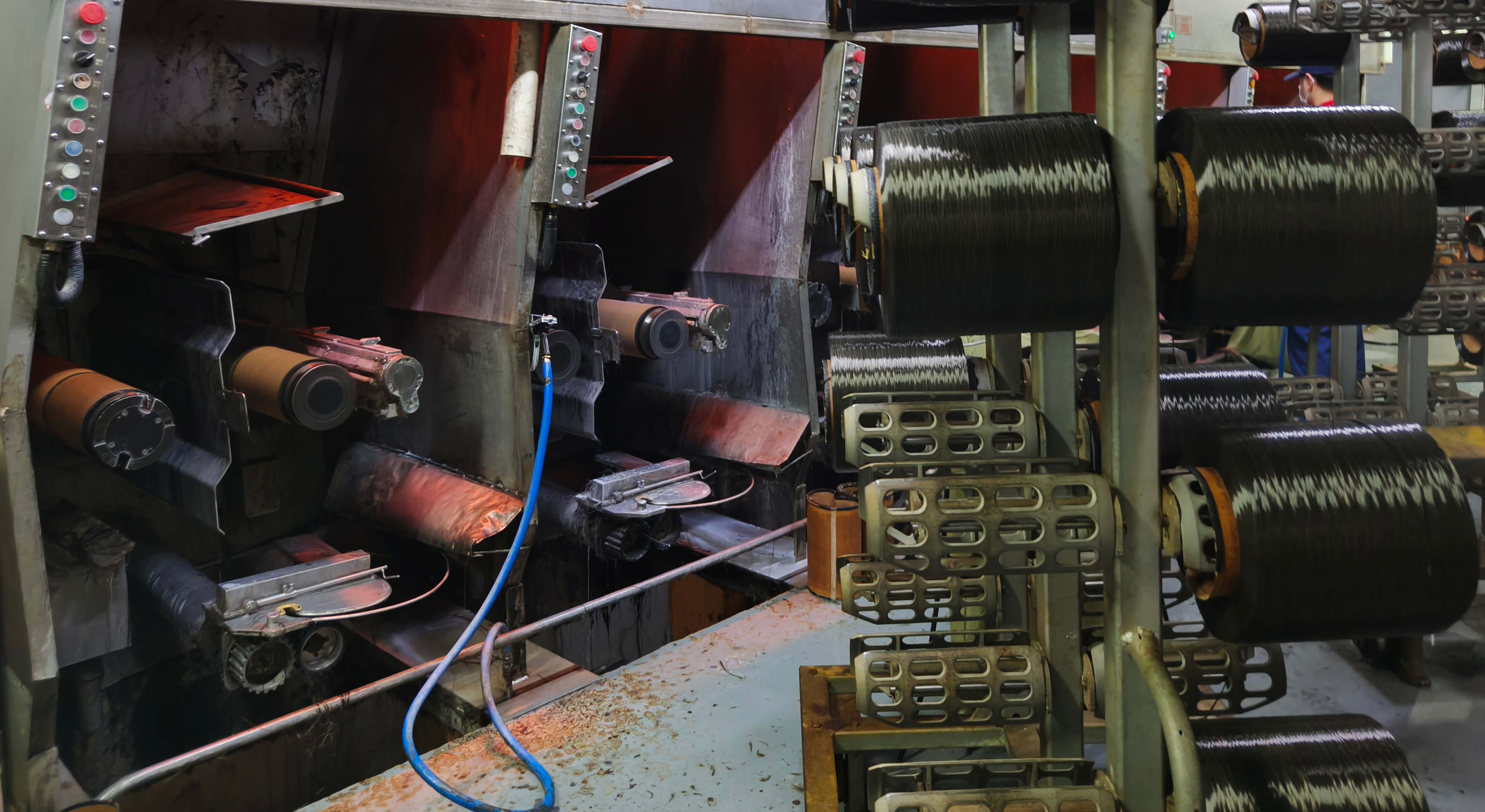
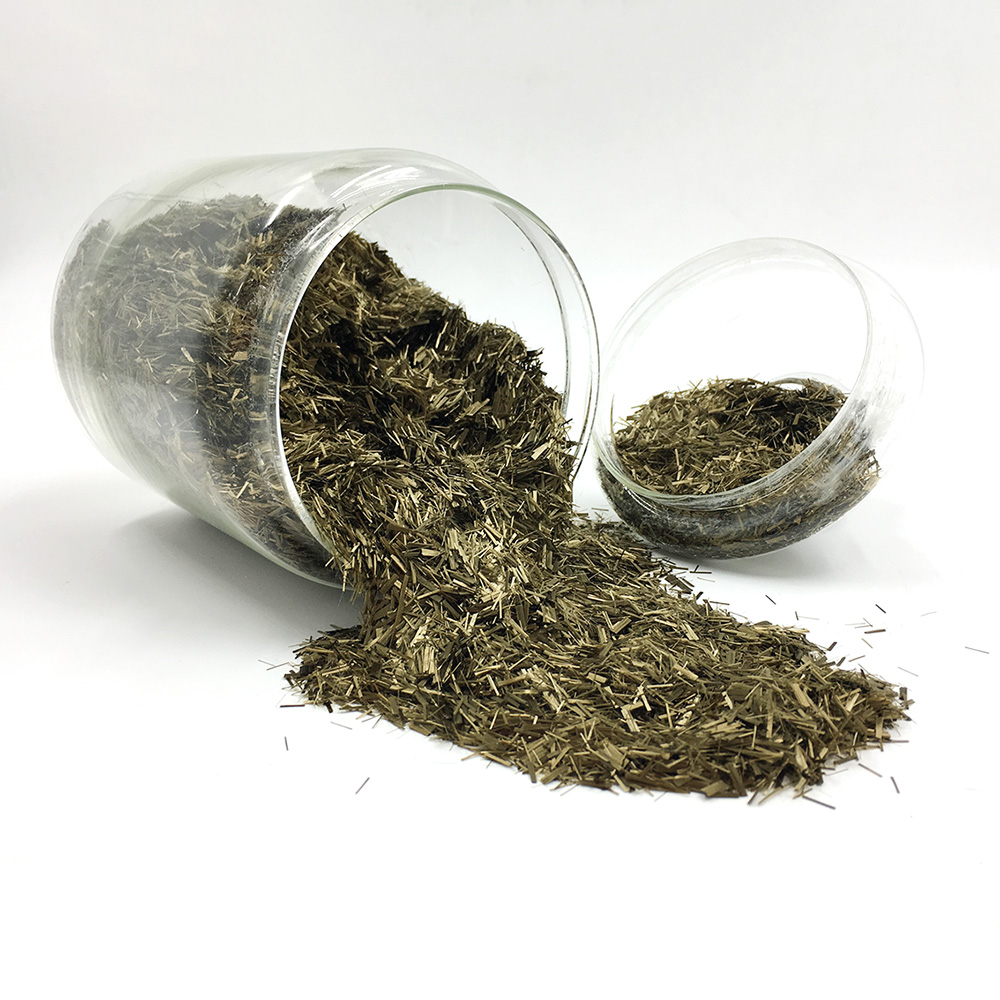
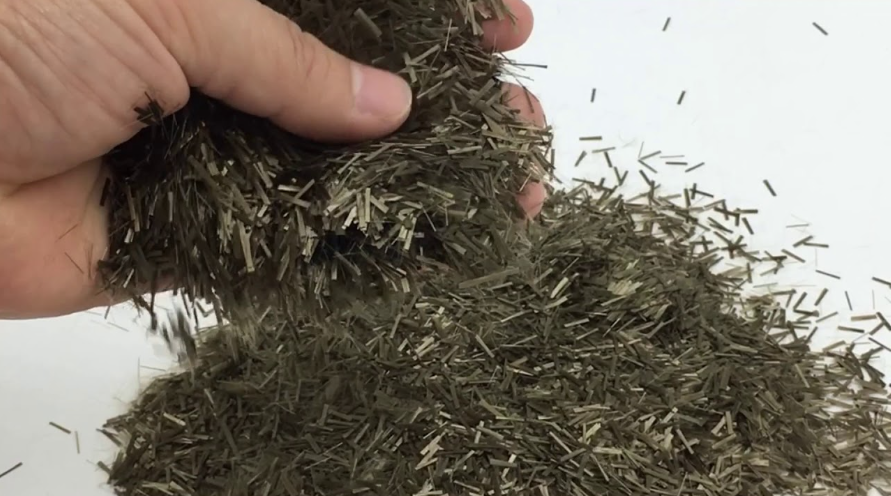
The main component of Basalt Fiber is basalt ore. Basalt is a common volcanic rock, mainly composed of silicate minerals, containing silicon dioxide, aluminum oxide, iron oxide, and other components. These components, after high-temperature treatment, can form a continuous fiber structure. During the manufacturing process, basalt ore is first crushed into small pieces and then melted in a high-temperature furnace. The molten basalt is then drawn through a special drawing device to form fine-diameter fibers. These fibers can be processed into different forms as needed, such as chopped fibers, continuous fibers, or fiber mats.
From a physical performance perspective, basalt fiber has high temperature resistance. It can remain stable at high temperatures and is not easily melted or decomposed. This fiber also exhibits good corrosion resistance, with strong resistance to most chemical substances. In terms of mechanical properties, basalt fiber has high strength and a relatively large elastic modulus, giving it an advantage in the field of reinforcing materials.

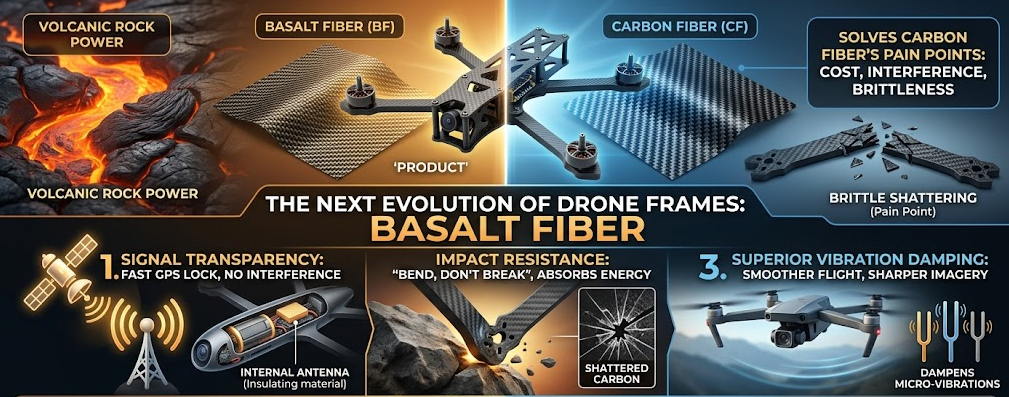
Compared to other types of fibers, basalt fiber has unique characteristics in some aspects. For example, compared to glass fiber, it has better temperature resistance; compared to carbon fiber, its cost is lower. However, each type of fiber has its applicable scenarios, and basalt fiber is no exception. Its performance characteristics determine that it may be more suitable in certain specific fields.
In terms of production technology, the manufacturing process of basalt fiber is relatively environmentally friendly. Because the raw material is natural ore, complex chemical treatment is not required, resulting in less waste during the production process. The high-temperature melting process also effectively reduces the emission of harmful substances. This gives basalt fiber an advantage in applications with high environmental requirements.
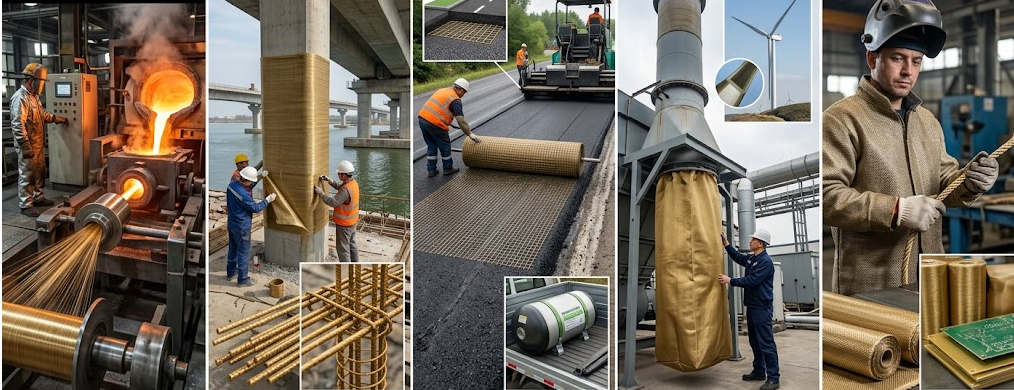
In terms of applications, basalt fiber is mainly used in composite material reinforcement, thermal insulation materials, and filtration materials. In composite materials, it can serve as a reinforcing phase to improve the mechanical properties of the matrix material. In the field of thermal insulation, its high-temperature resistance makes it a good choice for thermal insulation materials. Its chemical stability also makes it suitable for filtration materials in certain special environments. From an economic perspective, the production cost of basalt fiber is relatively controllable. The raw materials are widely available, and the processing technology is mature, resulting in a relatively stable market price. Compared to other high-performance fibers, its cost-effectiveness is competitive in certain applications. Of course, the specific cost will be affected by factors such as raw material prices, energy costs, and production scale.
In terms of storage and transportation, basalt fiber requires attention to moisture protection and avoiding compression. Although its chemical properties are stable, prolonged exposure to humid environments may affect its performance. It is generally recommended to store it in a dry and ventilated environment and avoid placing heavy objects on it. During transportation, care should also be taken to prevent fiber breakage or deformation.
Regarding safety, basalt fiber is safe under normal use conditions. However, due to its fibrous form, protective measures are necessary during production or processing to avoid inhaling fiber dust. This is similar to many other types of fiber materials, all requiring appropriate protective measures.
In terms of development prospects, the application areas of basalt fiber are still being continuously explored. With the advancement of materials science and improvements in processing technology, its performance may be further enhanced, and its application range may expand. However, this requires continuous research and practical verification.
In summary, basalt fiber is a distinctive inorganic fiber material. Its performance and application areas give it a place in materials science. Understanding its characteristics and applicable scope will help to better utilize its potential.