








What is basalt fiber?
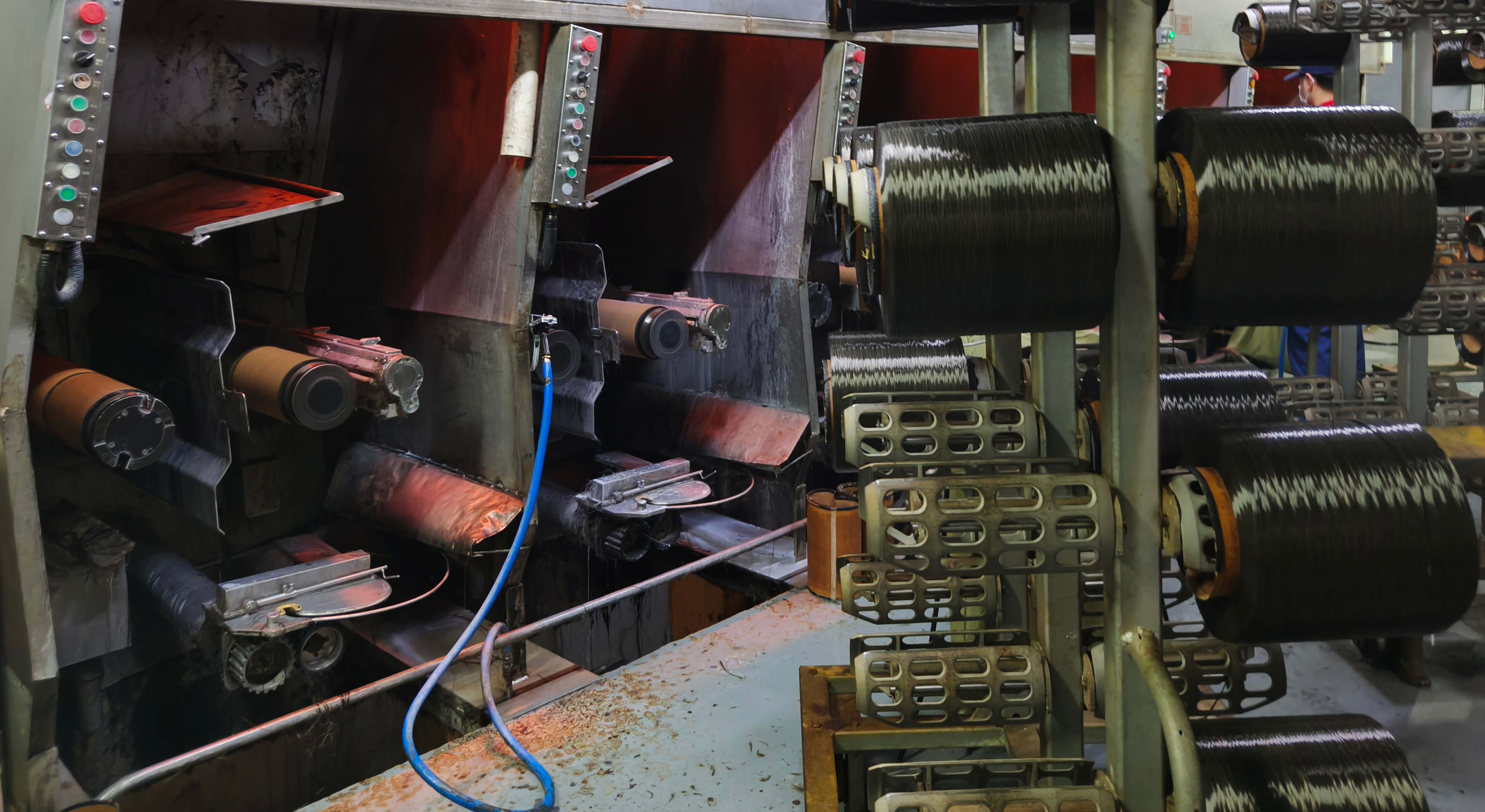
Basalt, a rock formed from the cooling of volcanic lava, is abundant on Earth. Through high-temperature melting and fine drawing, basalt fibers are produced, using a manufacturing process similar to that of glass fibers. At high temperatures of 1450℃ to 1500℃, basalt rock is melted and then drawn at high speed through a high-temperature resistant alloy spinneret to produce continuous fibers. These fibers have a strength comparable to high-strength glass fibers. Furthermore, basalt fiber, as a new type of inorganic, environmentally friendly, high-performance fiber material, contains various oxides such as silicon dioxide, aluminum oxide, calcium oxide, magnesium oxide, iron oxide, and titanium dioxide, giving it excellent physical and Chemical properties.
Shredded Basalt Fibers have a wide range of applications, not only for reinforcing cement concrete but also as a reinforcing material for asphalt concrete. The outstanding performance of basalt fiber is the key to its widespread attention. In my country, basalt fiber has been listed as one of the four key fibers for development, alongside carbon fiber, aramid fiber, and ultra-high molecular weight polyethylene fiber. What makes this material so special that it can occupy a place among these four fibers? Let's explore the remarkable advantages of basalt fiber.
1. Abundant Raw Material Resources
The raw material for manufacturing basalt fiber is basalt ore, which is widely available on Earth and has abundant reserves, resulting in relatively low raw material costs.
2. Green and Environmentally Friendly Characteristics
After melting and drawing, basalt ore does not release any harmful substances, making it environmentally friendly and non-polluting. In addition, its products have excellent durability, low cost, and superior performance, making it an ideal new type of green and environmentally friendly material.
3. Excellent High-Temperature Resistance and Thermal Shock Stability
Basalt fiber can operate stably in a temperature range of -260 to 880℃. This wide temperature range far exceeds that of aramid and asbestos fibers and is close to the performance of silicon fiber, aluminum silicate fiber, and ceramic fiber. At the same time, it also exhibits excellent thermal shock stability, maintaining its original shape at high temperatures of 500℃.
4. Excellent Chemical Stability
Basalt fiber exhibits outstanding resistance to acids and alkalis, outperforming aluminum borosilicate fibers. Furthermore, it possesses excellent durability, weather resistance, UV resistance, water resistance, and oxidation resistance, comparable to natural basalt rock.
5. Excellent Elastic Modulus and Tensile Strength
Basalt fiber demonstrates excellent tensile strength with relatively low tensile deformation. Notably, its tensile strength surpasses that of large-tow carbon fibers, aramid fibers, steel fibers, boron fibers, and alumina fibers.
6. Excellent Sound Absorption Performance
Basalt fiber exhibits significant sound absorption and insulation effects, demonstrating superior performance.
7. Excellent Electrical Insulation and Dielectric Properties
Basalt fiber shows outstanding electrical insulation and dielectric properties, making it a high-quality insulating material.
8. Natural Silicate Compatibility
Basalt fiber has good dispersibility and strong bonding with cement and concrete, and its thermal expansion and contraction coefficients are consistent, resulting in excellent weather resistance.
9. Superior Weather Resistance
Basalt fiber exhibits excellent weather resistance, with lower moisture absorption than aramid fibers, rock wool, and asbestos, further enhancing its stability in practical applications.
10. Superior Thermal Insulation
Basalt fiber stands out with its low thermal conductivity, a characteristic superior to aramid fibers, aluminum silicate fibers, alkali-free glass fibers, rock wool, silicon fibers, carbon fibers, and stainless steel.
However, basalt fiber is not without its limitations. While it is gradually replacing glass fibers and asbestos fibers as the preferred reinforcing material, the latter were previously limited due to the risk of fine particles being inhaled into the lungs and intestines. In contrast, basalt fiber demonstrates higher safety in this regard.
11. Thermal Insulation, Temperature Resistance, and Fire Protection Applications
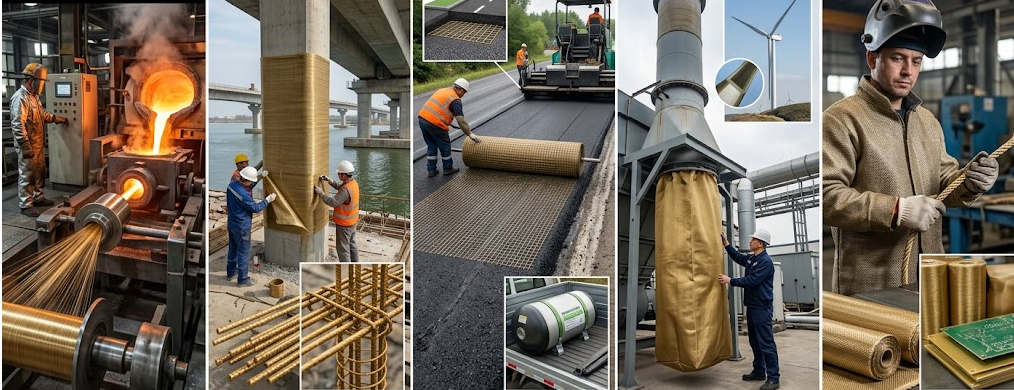
The high-temperature resistance of basalt fiber makes it widely applicable in thermal insulation, temperature resistance, and fire protection. It can be woven into fire-resistant fabrics, providing protection in fire safety applications. At the same time, basalt fibers can also be woven into high-temperature filter bags for high-temperature filtration and dust removal, ensuring a clean and safe environment.
The excellent properties of basalt fibers are not only reflected in their high-temperature resistance but also in their spinnability. Through special processing techniques, basalt fibers can be made into a sandwich material called "basalt fiber cotton." This material has a wide range of applications in construction, transportation, aerospace, and other fields, making a significant contribution to improving product performance and extending service life.
12. Applications in the Construction Field
Due to its excellent strength and corrosion resistance, basalt fiber can be compounded with vinyl or epoxy resins through various processes such as drawing, extrusion, and winding, creating new building materials. These materials are not only strong but also possess excellent acid and alkali resistance and corrosion resistance, allowing them to partially replace steel reinforcement in civil engineering construction. In addition, the expansion coefficient of basalt fiber is similar to that of concrete, effectively avoiding stress caused by temperature changes.
13. Applications in the Automotive Field
Due to its stable friction coefficient, basalt fiber is very suitable for manufacturing friction-enhancing materials, such as brake pads. At the same time, its high sound absorption coefficient makes it an ideal choice for automotive interior parts, effectively reducing noise. In trucks, lorries, or buses, leaf springs are key components responsible for bearing and transmitting the weight and torque of the frame and axle, usually made of high-quality silicon-manganese alloy steel plates. However, for light trucks, a new type of leaf spring has emerged, using a composite material of basalt fiber and epoxy resin, significantly reducing weight.
14. Applications in the Petrochemical Field
The excellent corrosion resistance of basalt fiber makes it shine in the petrochemical field. Through combination with epoxy resin and using sophisticated winding and compaction technology, basalt fibers are made into high-pressure pipes and tanks. These products not only have excellent thermal insulation properties but also effectively resist corrosion, significantly extending their service life. Furthermore, oil pipelines made from basalt fiber also perform exceptionally well. Their strength, corrosion resistance, and smooth inner surface significantly improve transportation efficiency, while their lightweight nature reduces costs and increases overall efficiency. This new type of pipeline has gradually become a substitute for alloy steel and is widely used in the petrochemical industry.
15. Applications in Battery Housings
The excellent corrosion resistance, high strength, superior insulation, and lightweight characteristics of basalt fiber make its composite material with epoxy resin an ideal choice for automotive battery housings. This material is not only easy to process but also significantly reduces the weight of the battery.
Conclusion
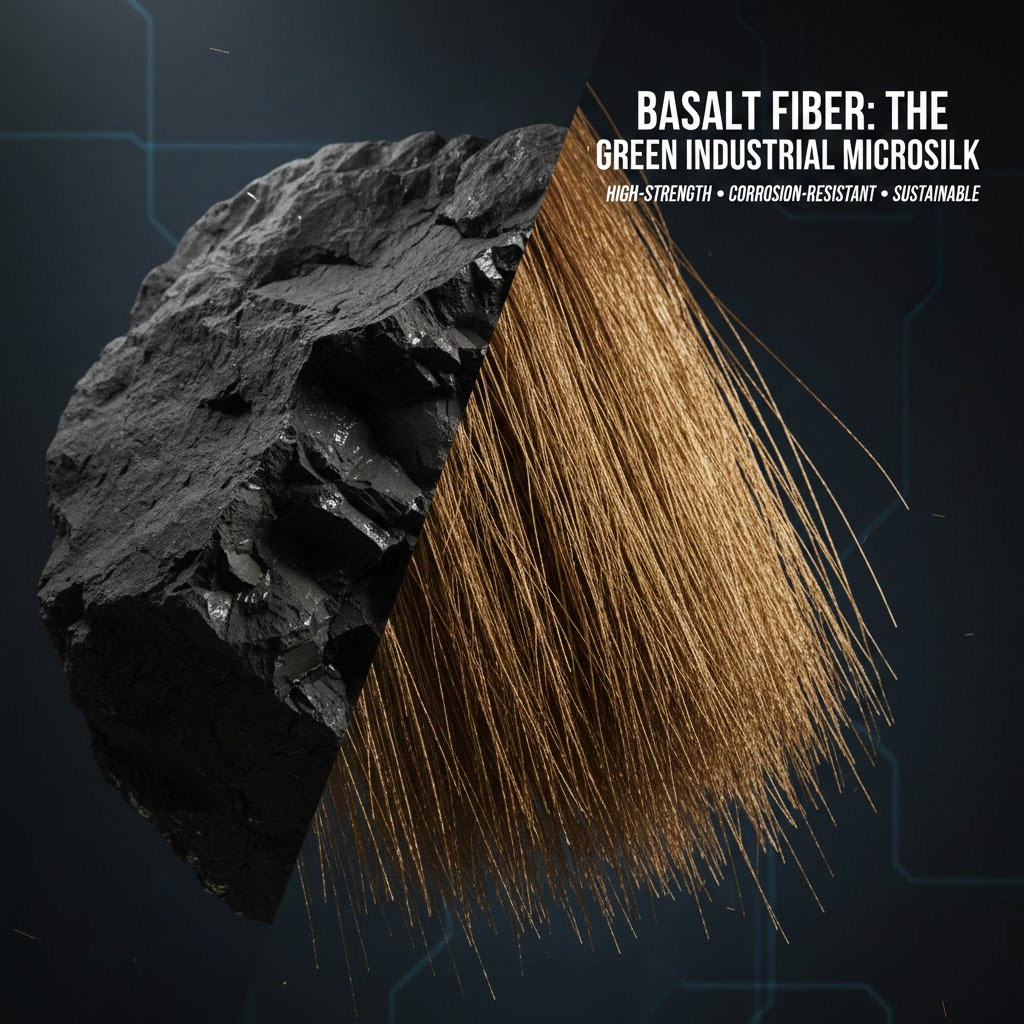
Basalt fiber, with its exceptional strength, stiffness, high-temperature resistance, corrosion resistance, and lightweight properties, is hailed as the "green industrial material" of the 21st century. It has demonstrated high application value in various fields, including aerospace, military, and road transportation, and is environmentally friendly and non-toxic. Currently, the application development of basalt fiber is still ongoing, and it is expected to leverage its unique advantages in more fields in the future.
1) In the drawing process, traditional drawing plates made of "platinum" materials suffer from high wear and tear and are expensive. Therefore, there is a need to find new materials that are both wear-resistant and high-temperature resistant as replacements. In fact, such materials are not lacking; for example, ceramic materials with added titanium carbide, silicon carbide, silicon nitride, or zirconium oxide meet these requirements.
2) Due to variations in the composition of basalt from different regions, the performance indicators of the fibers also differ. To ensure application quality, we need to make multifaceted efforts. First, specific performance indicators for basalt fiber should be established for each application product. Second, detailed information on all performance indicators must be provided for each batch of fiber produced for user reference. Furthermore, to ensure the standardization of fiber performance, inorganic components can be added during the melting process for adjustment.