







Basalt Rebar: A Game-Changer Leading the New Revolution in Construction Materials
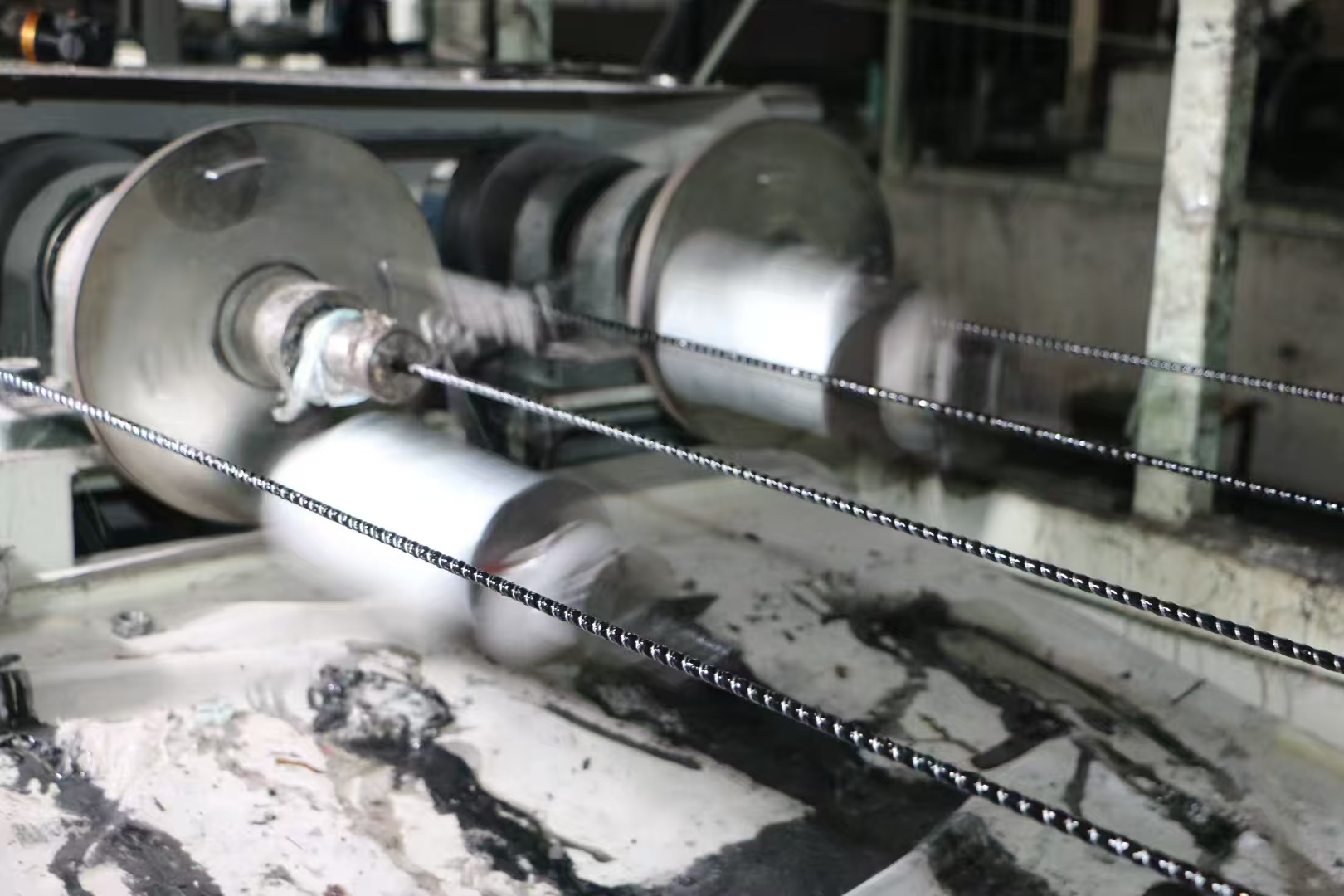
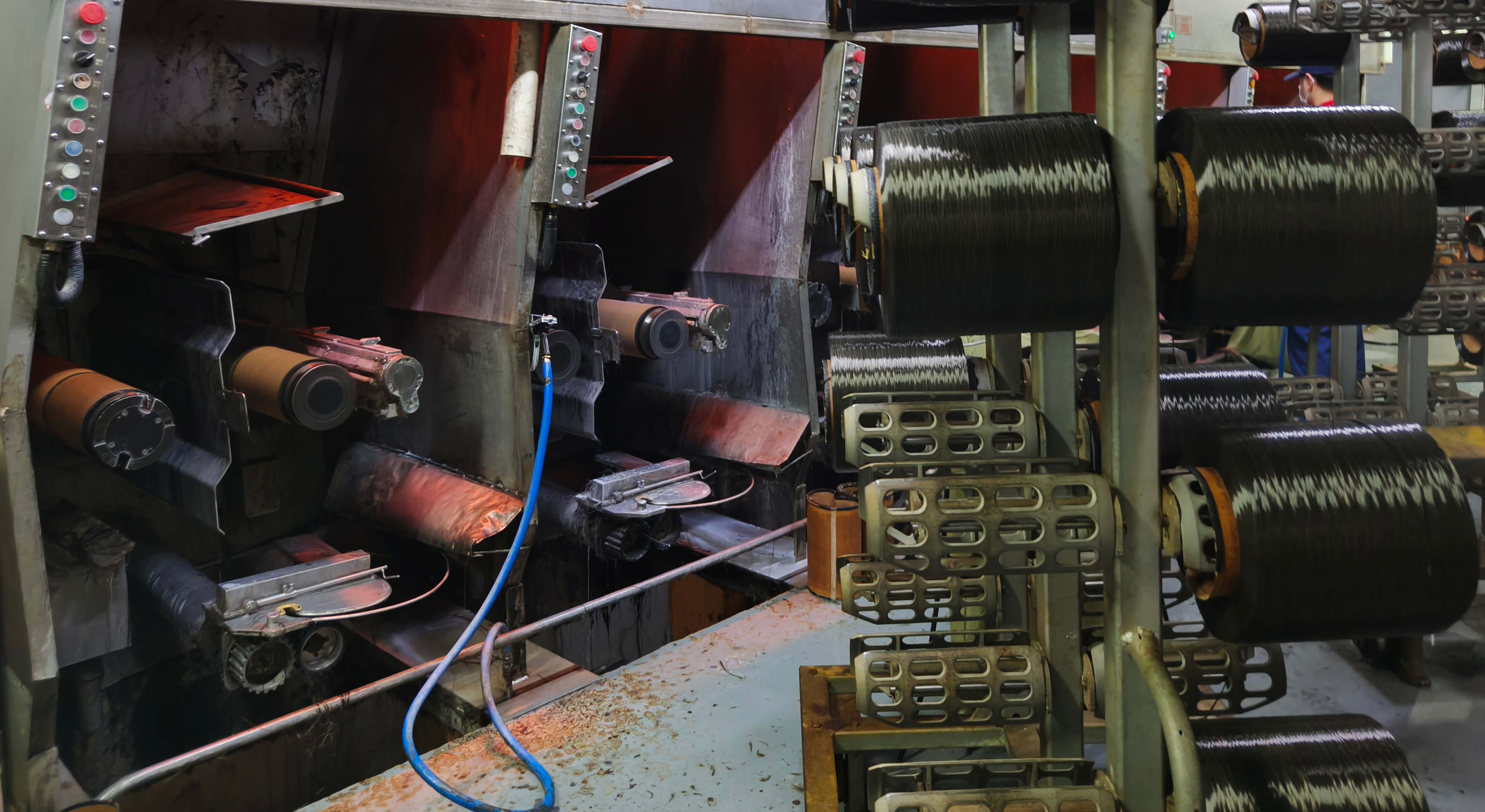
Basalt fiber, with natural basalt as its raw material, is formed into a continuous, fine inorganic filament bundle after high-temperature melting, drawing, and heat treatment. Basalt Fiber has high-temperature resistance, anti-oxidation, radiation resistance, thermal and acoustic insulation, and excellent filtration performance. Because its production process is clean and pollution-free, it is known as the "21st-century green industrial material." It is then further processed into a composite bar with the form of rebar.
Basalt rebar, with its unique material properties, exhibits a number of distinct advantages that traditional steel rebar cannot match:
-
Exceptional Corrosion Resistance: This is one of the most prominent advantages of basalt rebar. Unlike steel rebar, which is prone to rust from corrosion by chloride ions, acids, and alkalis, basalt rebar has extremely high acid-alkali resistance and chemical stability. It can maintain long-term stability even in harsh marine environments, chemical facilities, or concrete structures subject to salt corrosion, significantly extending the service life of structures and greatly reducing maintenance costs.
-
High Strength and Lightweight: Basalt rebar's tensile strength is 2-3 times that of ordinary steel rebar, but its density is only about 1/4 of steel rebar. This high strength-to-weight ratio gives it a significant advantage in reducing the self-weight of structures and increasing the load-bearing capacity of components, especially for applications sensitive to weight, such as large-span structures, lightweight buildings, bridges, tunnels, and high-rise buildings.
-
Excellent Electrical Insulation and Non-magnetic Properties: Basalt rebar is non-conductive, non-thermal, and non-magnetic. This makes it an ideal choice for special projects in electrified areas, medical equipment rooms, and radar stations that have strict requirements for electromagnetic interference, effectively avoiding eddy current effects and electromagnetic interference.
-
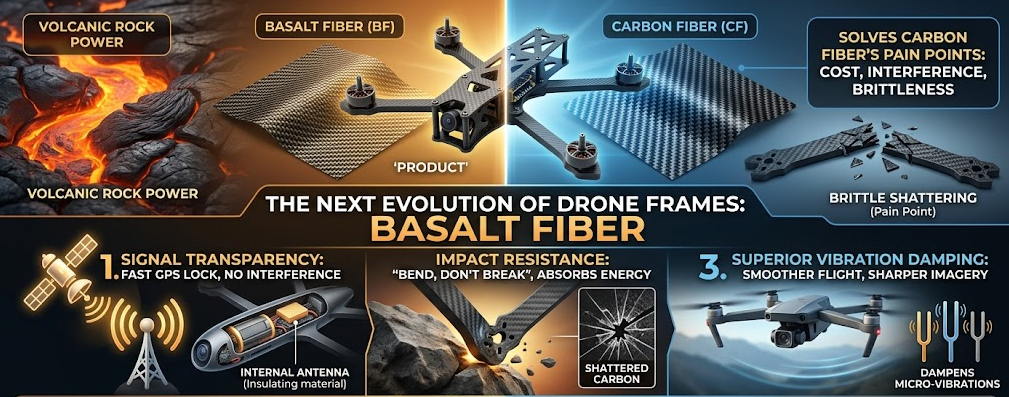
Good Wave Transparency and Absorption: Due to its unique mineral composition, basalt rebar has good wave transparency and performs excellently in special structures that require signal transmission (e.g., communication base stations, radar domes). At the same time, by adjusting its composition and applying coatings, it can also achieve certain wave absorption properties, expanding its application prospects in military and special engineering fields.
-
Environmentally Friendly and Sustainable: As a natural volcanic rock with abundant reserves on Earth, basalt's mining and production process has a greater environmental advantage compared to traditional steel. Basalt rebar's low moisture absorption, non-radioactivity, and recyclability make it a truly green and environmentally friendly building material, aligning with the current global call for sustainable construction.
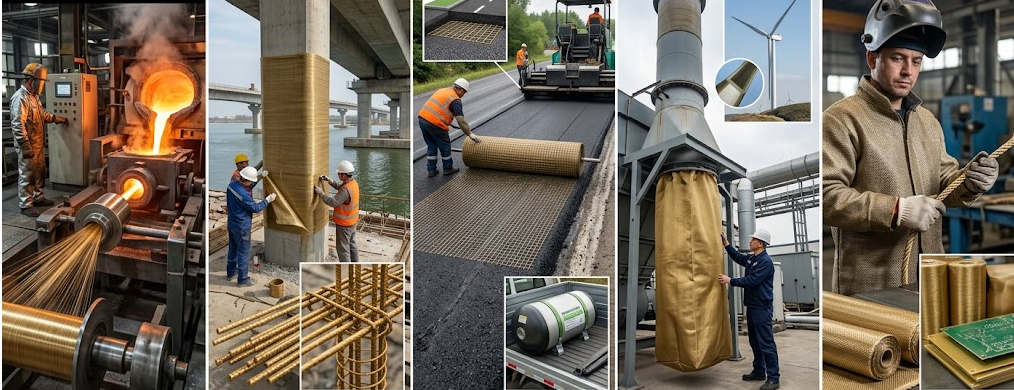
With these unique advantages, basalt rebar is gradually moving from the laboratory to large-scale application, showing broad application prospects in various fields such as bridges, tunnels, ports, underground engineering, power facilities, and even special military constructions, with the potential to fundamentally change the face of future architecture.