




Breakthrough in Research on Frost Resistance of Basalt Fiber Concrete, Enhancing Building Durability in Cold Northern Regions
Recently, significant progress has been made in research on the frost resistance of basalt fiber concrete. Studies have shown that incorporating basalt fiber can significantly improve the frost resistance of concrete, offering a new solution to address the deterioration of Concrete Structures caused by freeze-thaw cycles in cold northern regions of China.
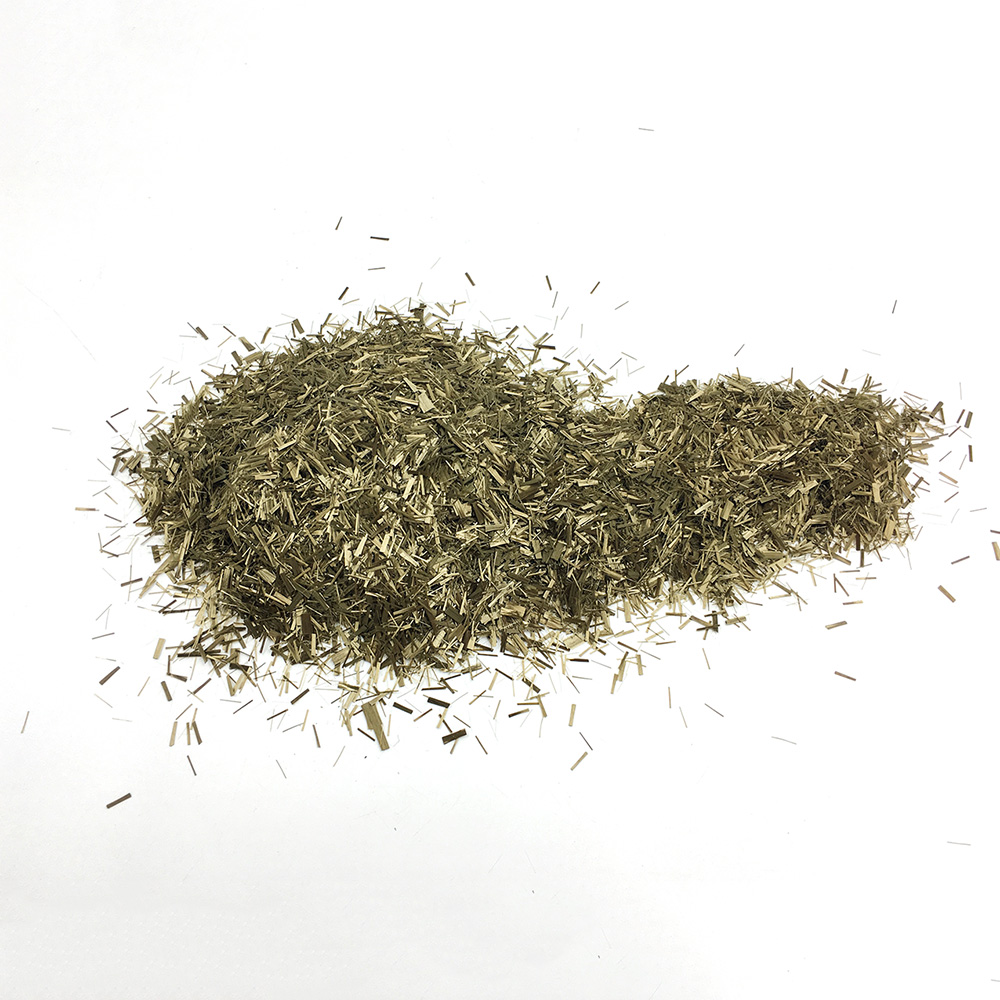
In the severe cold regions of northern China, freeze-thaw cycles are a major cause of concrete structure deterioration. The damage to concrete caused by freezing and thawing is becoming increasingly severe each year, making research on the frost resistance of concrete highly important. Basalt Fiber, due to its excellent properties, has become a key material for enhancing the frost resistance of concrete.
Currently, research primarily involves freeze-thaw cycle tests to measure parameters such as the relative dynamic elastic modulus, mass loss, compressive strength, and flexural strength of basalt fiber concrete, exploring its frost resistance. Key findings include:
-
Relative Dynamic Elastic Modulus: The incorporation of basalt fiber can effectively slow down the decline rate of the relative dynamic elastic modulus of concrete, with higher fiber content resulting in a slower decline rate.
-
Compressive Strength and Flexural Strength: The addition of basalt fiber can reduce the attenuation rate of compressive and flexural strength, with the optimal anti-freeze effect observed at a fiber content of 0.15%~0.20%.
-
Synergistic Effect with Air-Entraining Agents: Basalt fiber exhibits good compatibility with air-entraining agents, and the addition of air-entraining agents can further enhance the frost resistance of concrete.
Although existing research has confirmed the positive effects of basalt fiber on the frost resistance of concrete, current studies mainly focus on the mechanical properties after freeze-thaw cycles, with insufficient research on the frost resistance mechanism and other properties. Additionally, the factors considered in experiments are relatively limited. Future research should comprehensively consider multiple factors such as the number of freeze-thaw cycles, environmental humidity, and salt solution concentration to more thoroughly evaluate the frost resistance of basalt fiber concrete.
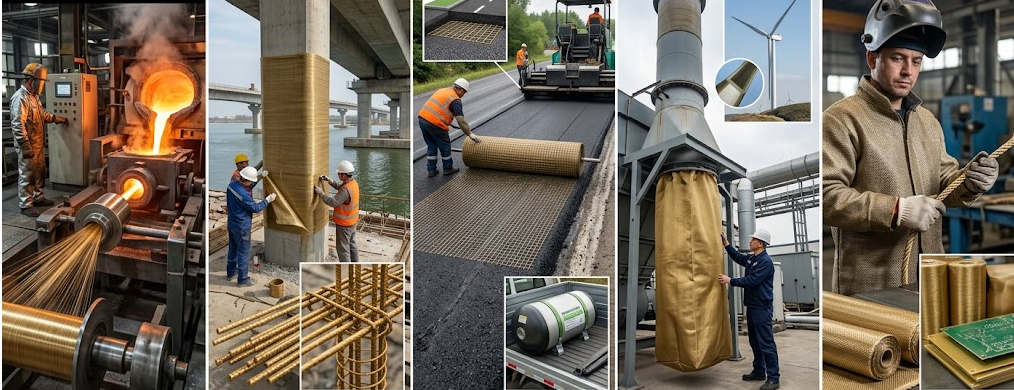
Experts suggest that research on basalt fiber concrete provides crucial technical support for improving the durability of building structures in cold northern regions. It is expected to be widely applied in fields such as bridges, roads, and hydraulic engineering in the future.