






News

Economic Analysis of Basalt Fiber-Reinforced Polymer Composites in Residential Buildings
Although the initial cost of basalt fiber-reinforced polymer (BFRP) composites is higher, their long-term economic benefits in residential construction are significant.
Construction Methods and Precautions for Chopped Basalt Fiber Concrete
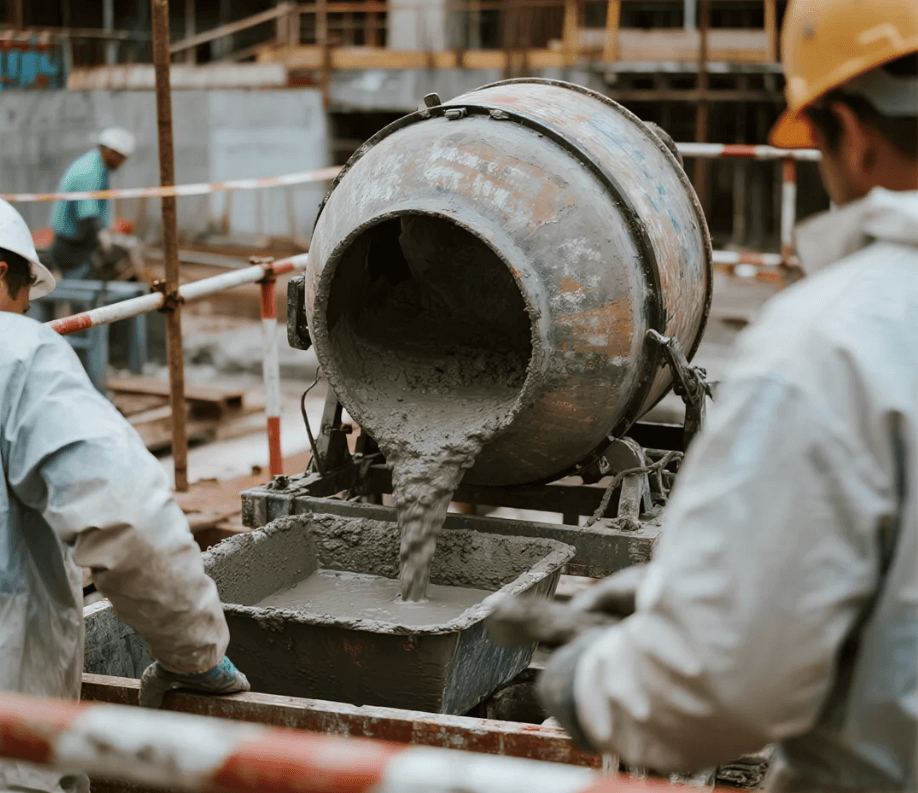
Chopped basalt fiber concrete should ideally be constructed under temperatures ranging from -5°C to 25°C. Both excessively high or low temperatures can lead to an uneven mix.
Analysis of Chopped Basalt Fiber Application in Concrete
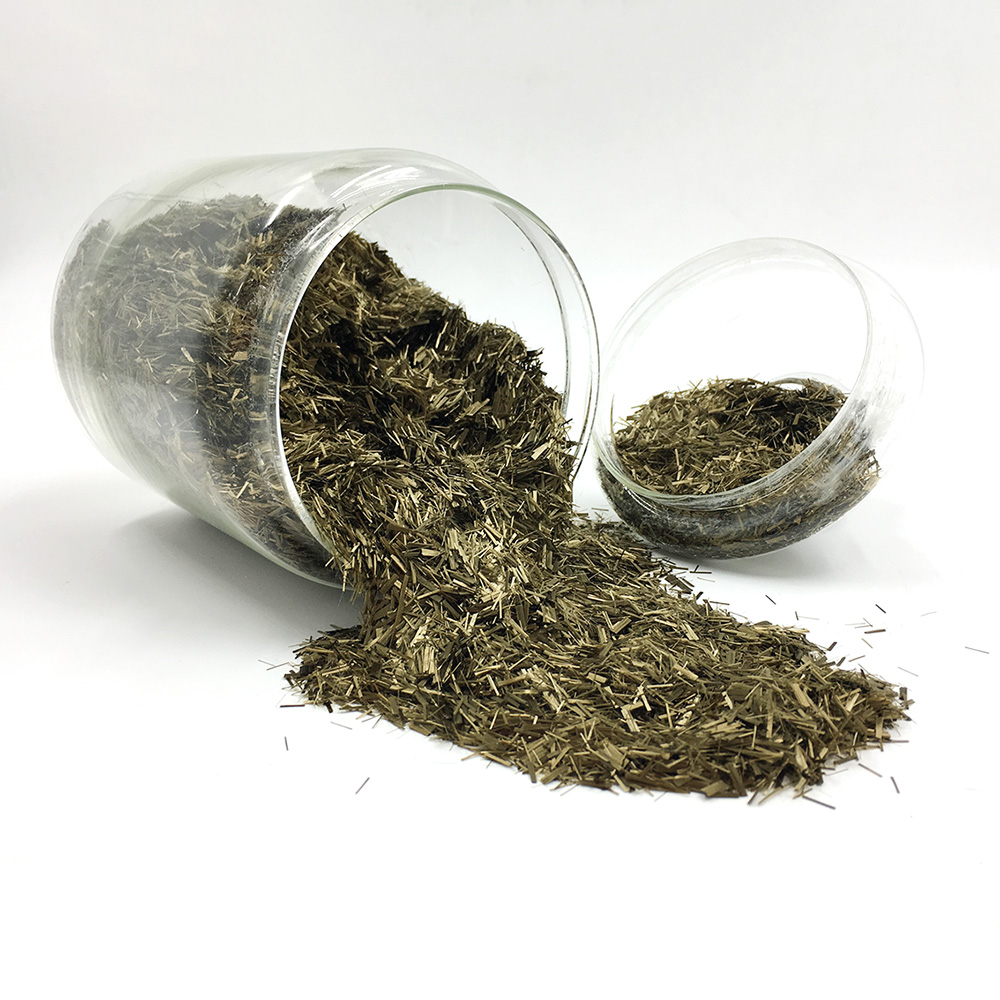
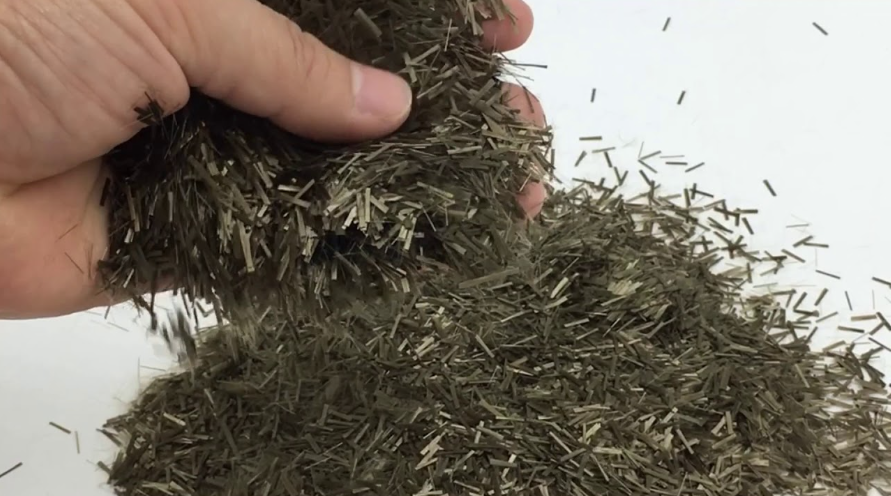
Chopped basalt fiber-reinforced concrete involves incorporating a certain amount of continuous or discontinuous chopped basalt fibers into concrete using an appropriate method. This approach preserves concrete's inherent compressive strength advantages while significantly enhancing its toughness and tensile strength, thereby effectively reinforcing and strengthening concrete and extending the service life of engineering structures.
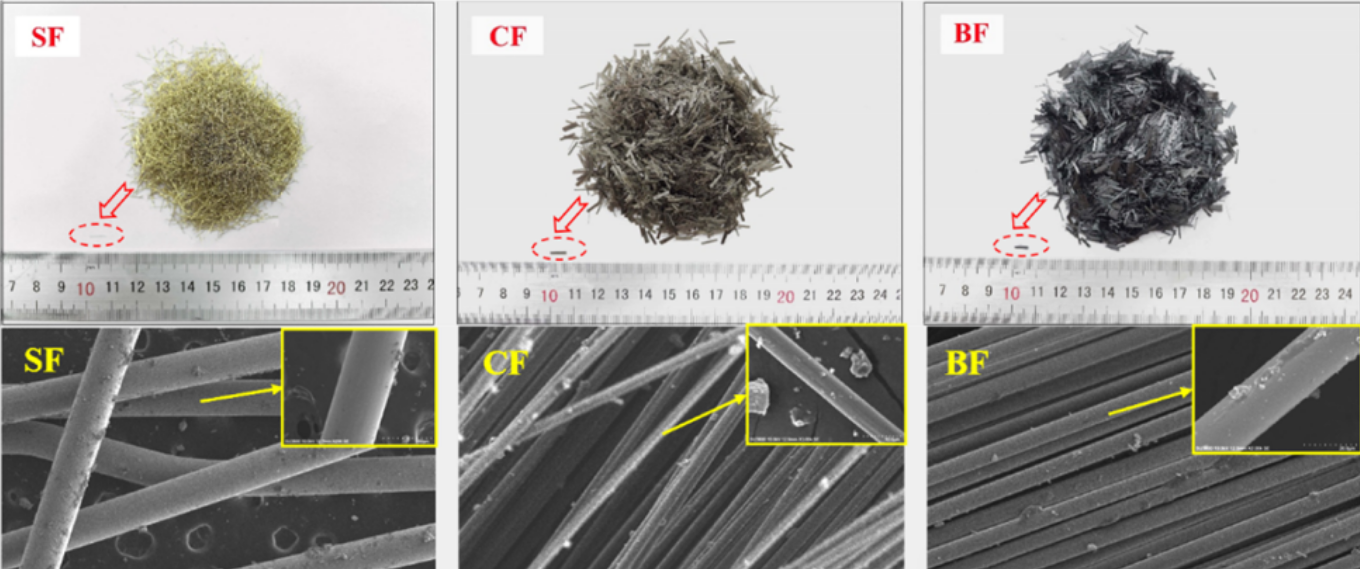
Mechanical Properties and Failure Mechanisms of Fiber-Reinforced Concrete: Influence of Fiber Type and Content
Concrete is the most widely used construction material. It offers numerous advantages, including its widespread availability, simple production process, low cost, and ease of application. It's extensively used in various fields such as buildings, roads, bridges, tunnels, and hydraulic engineering. As a large number of engineering projects have developed, the demands on concrete's performance have also gradually increased. Consequently, the shortcomings of traditional concrete, such as insufficient tensile strength, poor crack resistance, and volume instability, have become apparent. Therefore, improving the performance of concrete has consistently been one of the key research directions in civil engineering.
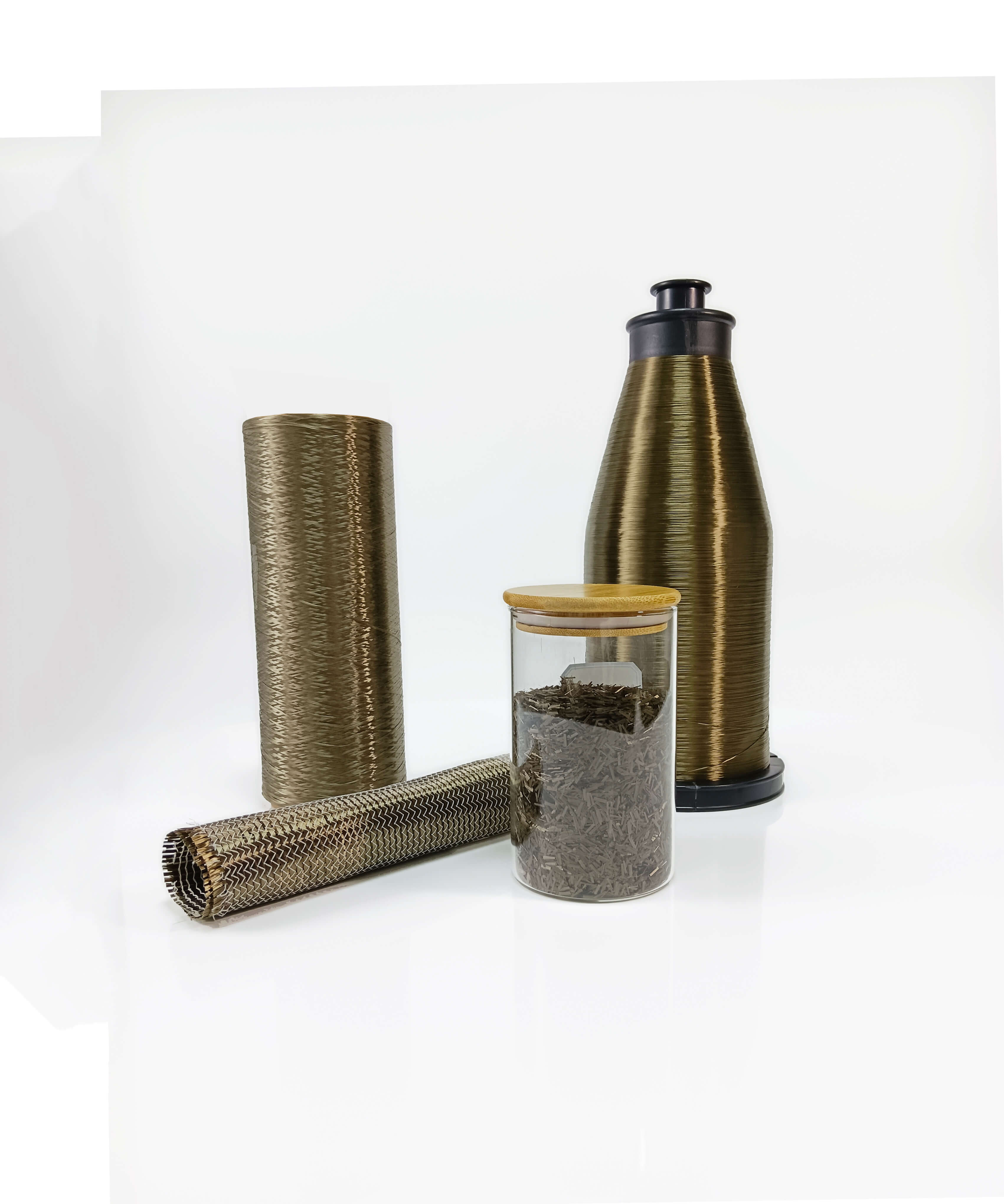
Diverse Demands for Basalt Fiber Products
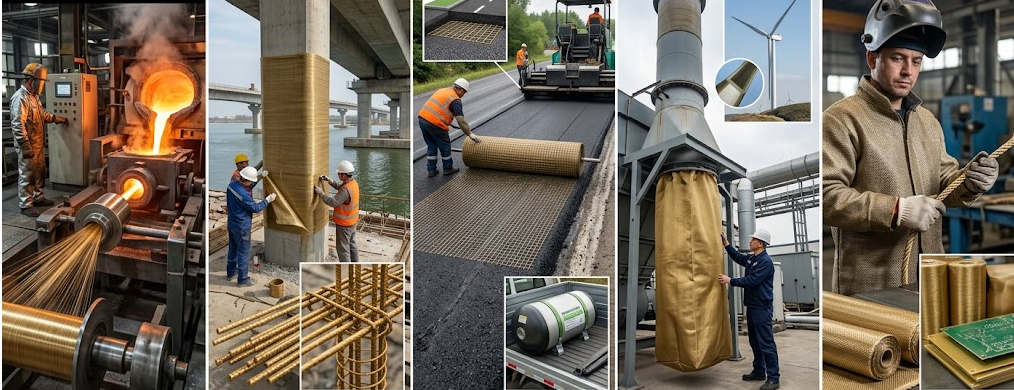
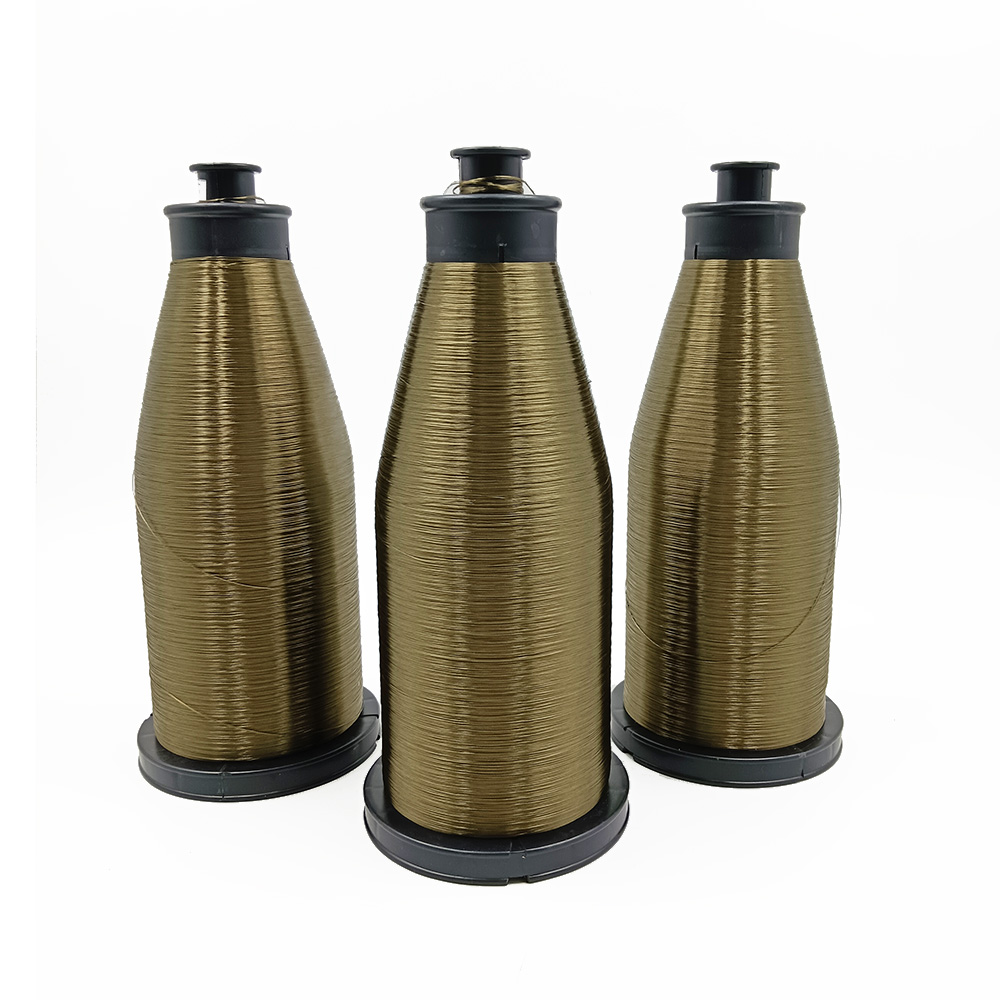
There are many products related to basalt fiber, such as basalt cloth, basalt yarn, etc. Thanks to the characteristics of basalt fiber, these products also have excellent performance in various industries.

Application of Basalt Fiber Composites in Civil Engineering
In the field of civil engineering, concrete structures are an extremely important component. However, with the development of the construction industry, the problem of construction waste is becoming increasingly prominent, with discarded concrete accounting for a considerable proportion. To achieve the low-carbon goal of the construction industry, the application of recycled concrete has gradually attracted attention. Nevertheless, recycled concrete has some defects in practical use, such as insufficient strength and poor durability.
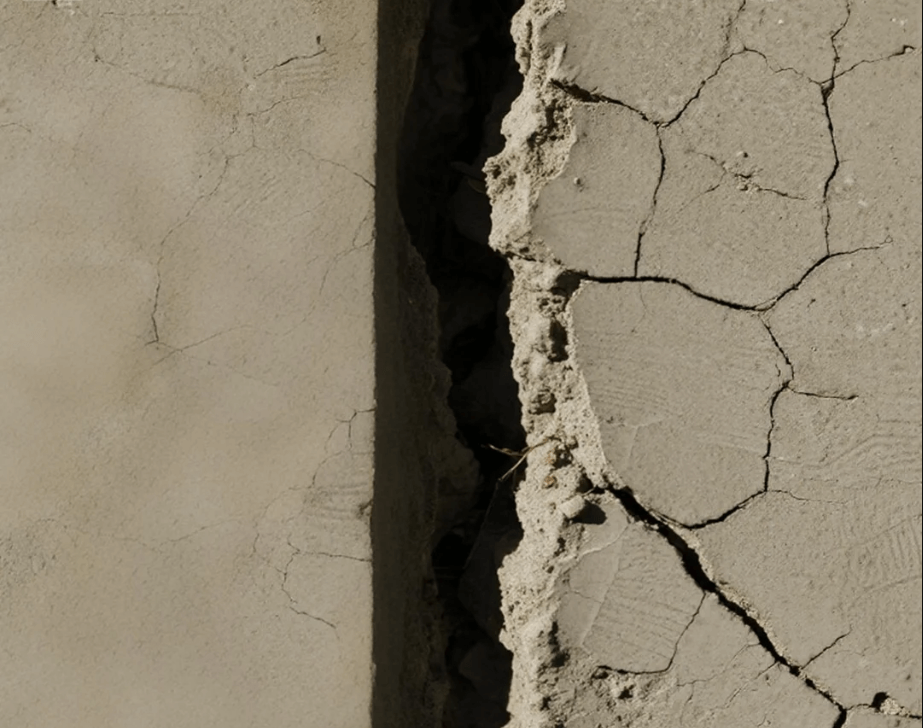
Application of Basalt Fiber Reinforced Mortar in Residential Buildings
The exterior facade renovation of a residential complex utilized basalt fiber reinforced mortar. This project is located in a region with significant climate fluctuations, experiencing large temperature swings and strong humidity variations.
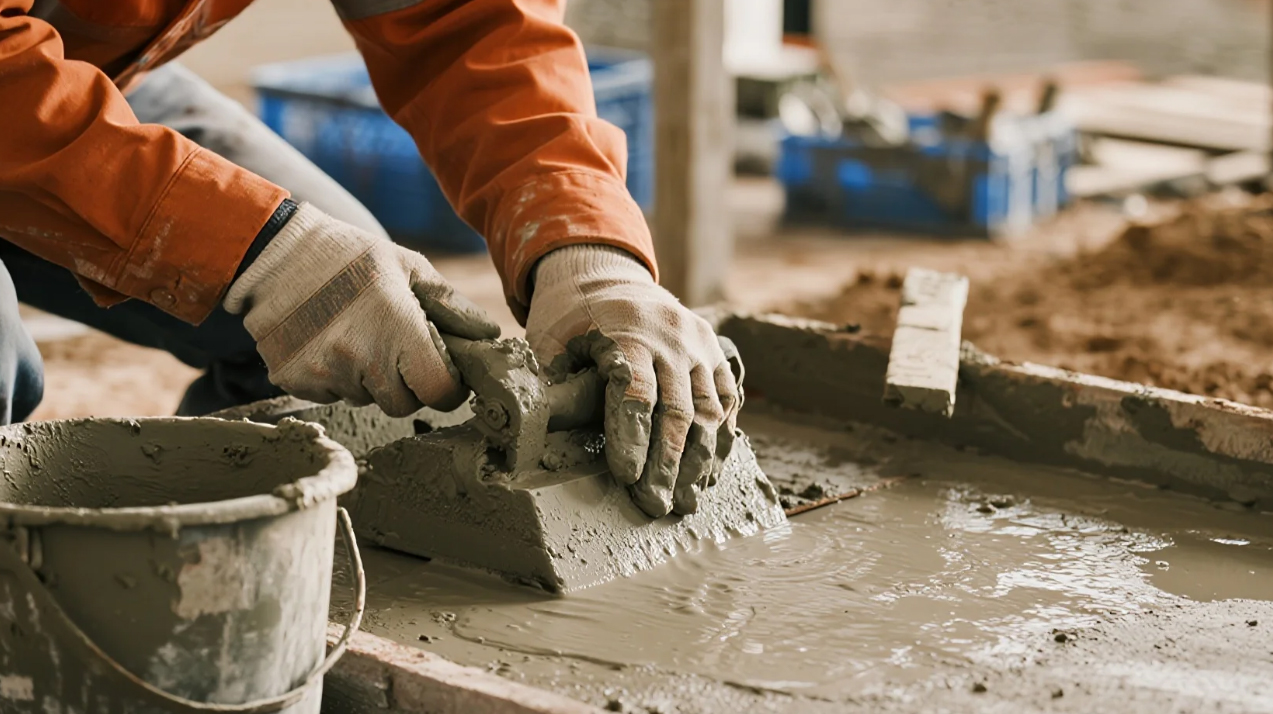
Construction Technology Analysis of Basalt Fiber-Reinforced Plaster Morta
Uneven fiber distribution during the mixing process can lead to localized strengthening of the mortar, affecting its crack resistance. To improve fiber dispersion, efficient mixing equipment should be used, and the mixing time and speed should be adjusted appropriately to ensure uniform fiber distribution throughout the mortar. Proper mixing time helps ensure the fibers are fully integrated with the cement-based material; both excessively long or short mixing times will impact fiber dispersion and the overall performance of the mortar. It's generally recommended to control the mixing time to 3-5 minutes, avoiding over-mixing, which can cause fiber breakage and negatively affect the reinforcing effect.
Overview of Basalt Fiber-Reinforced Plaster Mortar
Basalt fiber is primarily composed of silicon oxide, aluminum oxide, and iron oxide, with high levels of silicon oxide and aluminum oxide, giving it significant advantages in heat resistance and chemical corrosion resistance. Compared to glass fiber, basalt fiber does not contain harmful metal oxides, resulting in better chemical stability and excellent durability in corrosive environments like strong alkalis and strong acids.
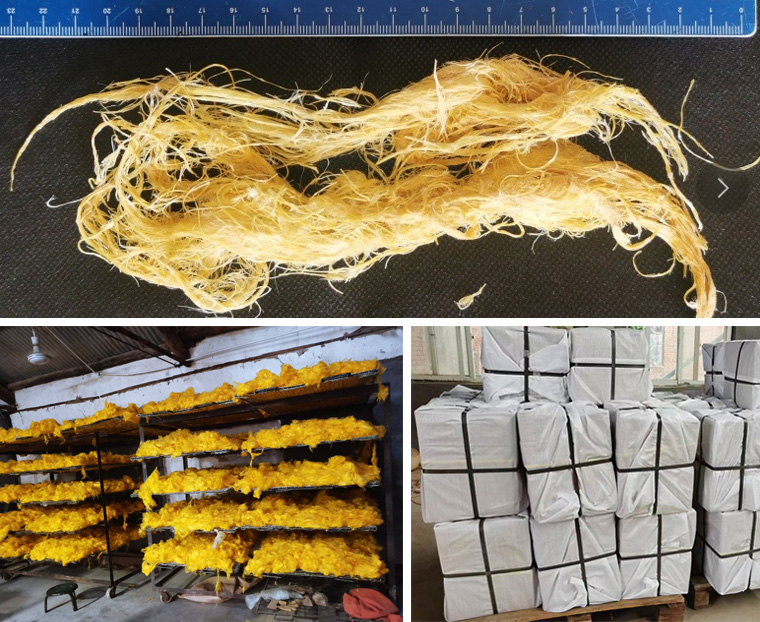
Most Successful Modified Material: Glass Fiber Reinforced Modified Phenolic Resin (FX-501)
With the rapid development in the field of engineered glass fiber reinforced plastics, phenolic resin-based materials have been widely applied across various industries. This is due to their unique quality, high mechanical strength, and excellent performance. One of the most significant representative materials is phenolic glass fiber resin material.