




News

CHINA BEIHAI FIBERGLASS to Showcase at International Composites Industry Exhibition in Istanbul, Turkey
CHINA BEIHAI FIBERGLASS is excited to announce its participation in the 7th International Composites Industry Exhibition (Eurasian Composites Show) at the Istanbul Expo Center, Turkey, from November 26-28, 2025. We warmly invite all attendees to visit our booth and explore the vast potential of our advanced phenolic fiberglass composite materials.

What is the tensile strength of basalt mineral fiber?
The tensile strength of basalt mineral fibers is a comprehensive indicator influenced by various factors. When selecting and using them, one should not only look at the nominal value but also consider the specific application scenario, cost budget, and other factors. With continuous improvements in production technology, the application prospects for this eco-friendly, high-performance fiber will be even broader.

China's Basalt Fiber Industry Breakthrough Boosts Aerospace Development
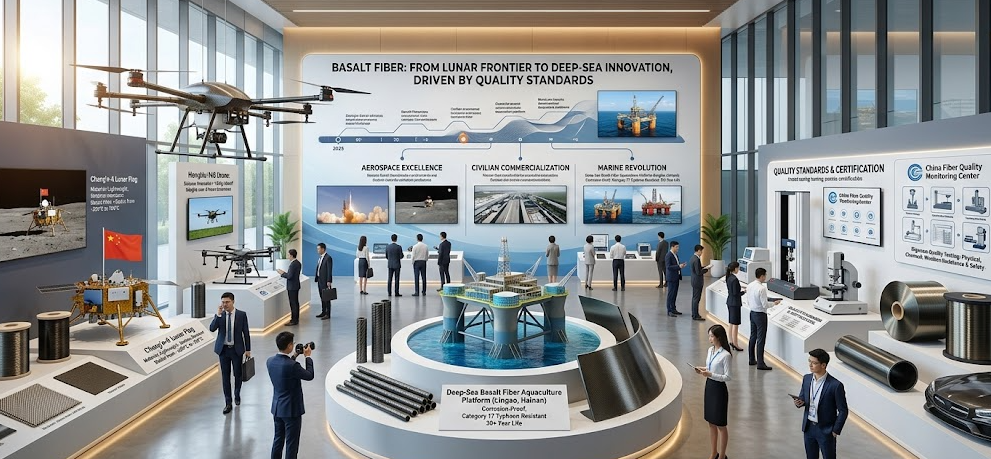
Amid the growing demand for lightweight, high-temperature-resistant materials in the aerospace sector, China's basalt fiber industry has achieved a significant breakthrough with the mass production of micron-scale ultrafine fibers at a thousand-ton level. This offers a highly promising solution for the aerospace field. The following analysis covers four dimensions: technological breakthroughs, aerospace applications, industrial ecosystem, and future trends.
Basalt Fiber Properties and Applications
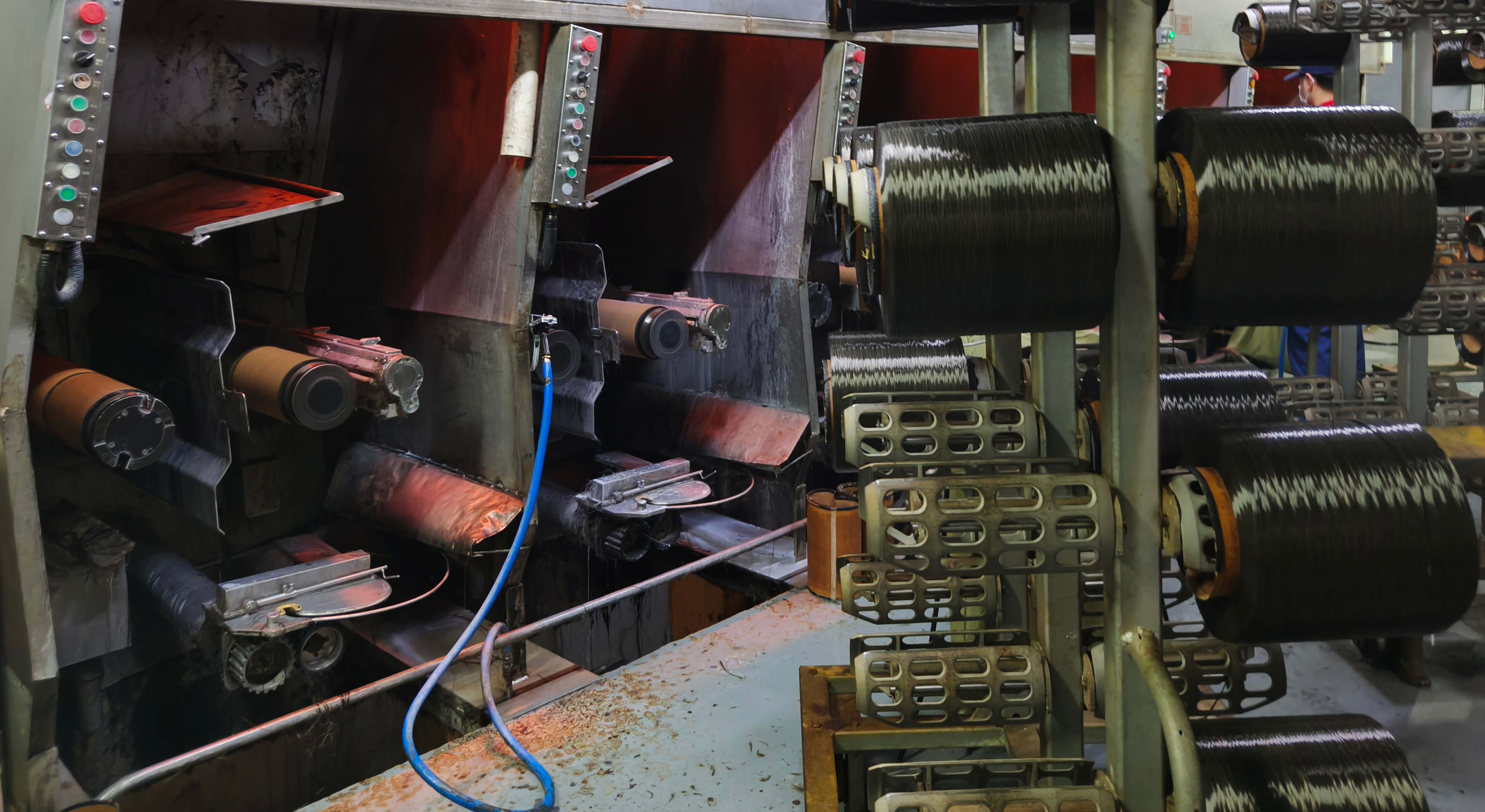
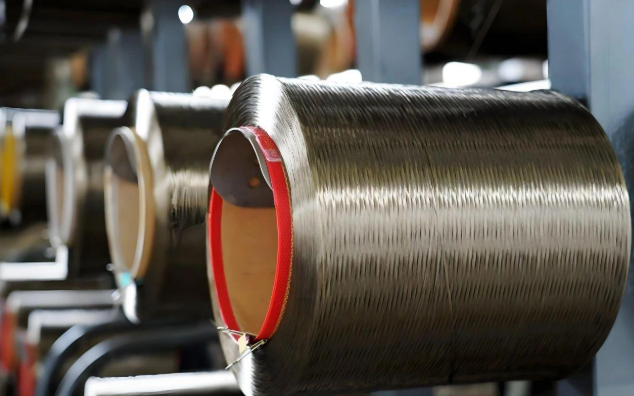
The basalt fiber industry is currently in a phase of rapid development. China has overcome key technologies, such as intelligent 2,400-hole bushing drawing and melt homogenization control, which have significantly improved product performance. Basalt fiber is now viable as a replacement for glass fiber in most applications.
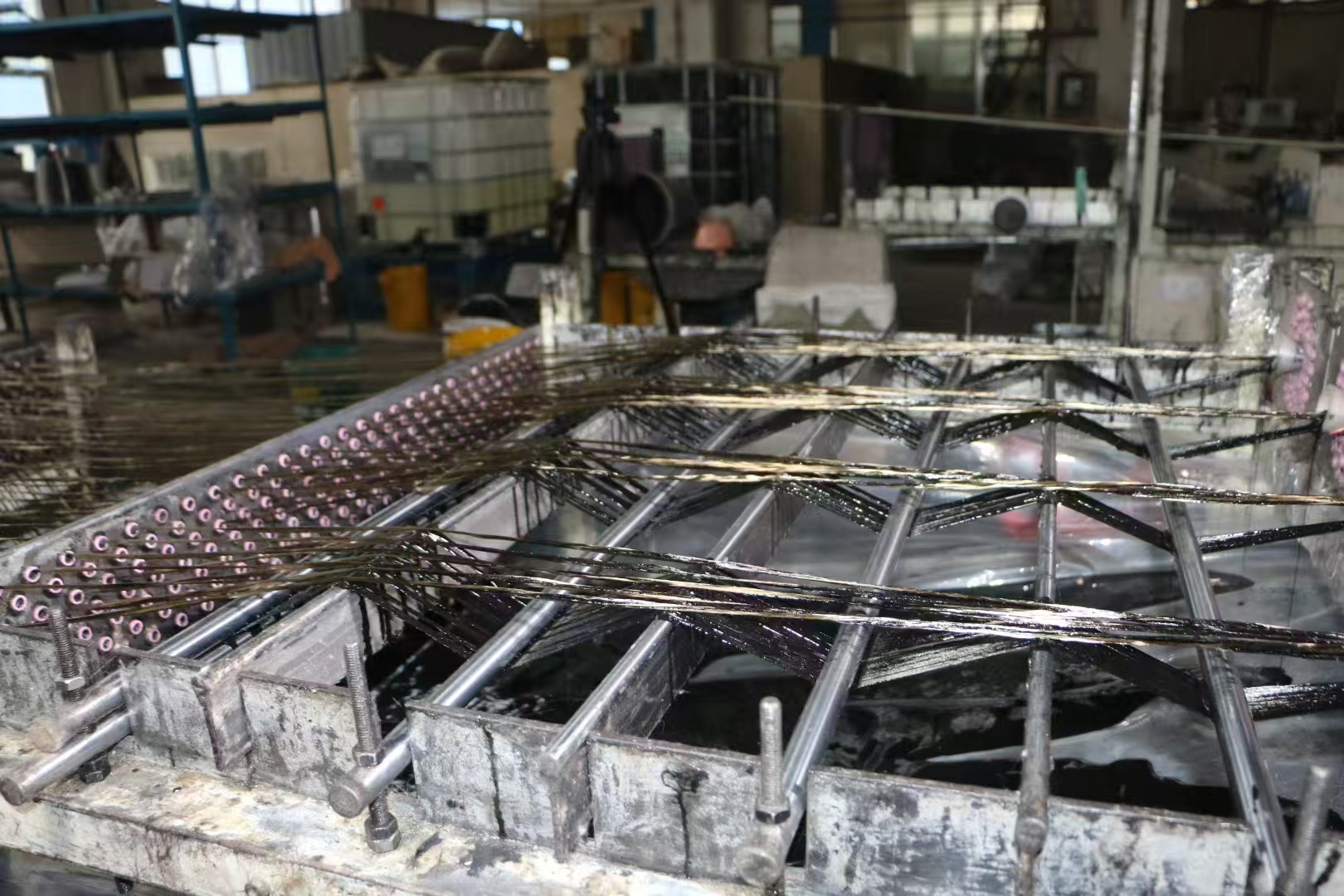
Basalt Fiber in Key Industries
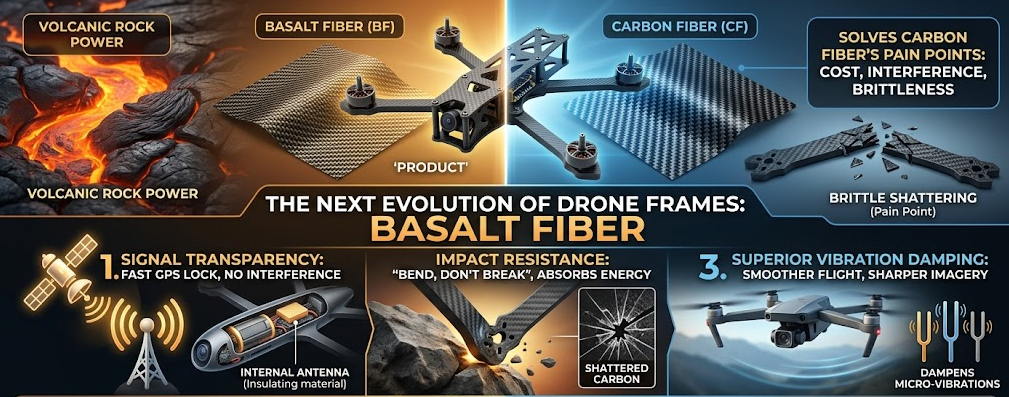
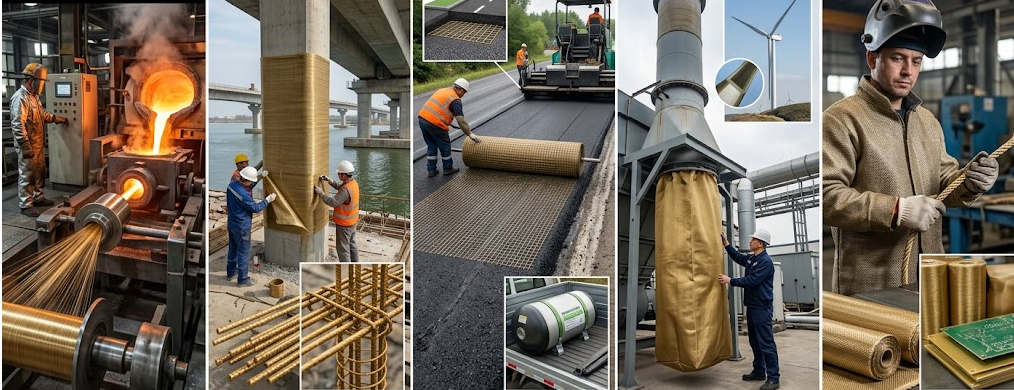
Basalt fiber, a material known for its lightweight, high-strength, and corrosion-resistant properties, has a wide range of applications across multiple sectors. This versatile material is particularly valuable in the energy sector and the defense and aerospace industries, where its unique characteristics address complex engineering challenges.
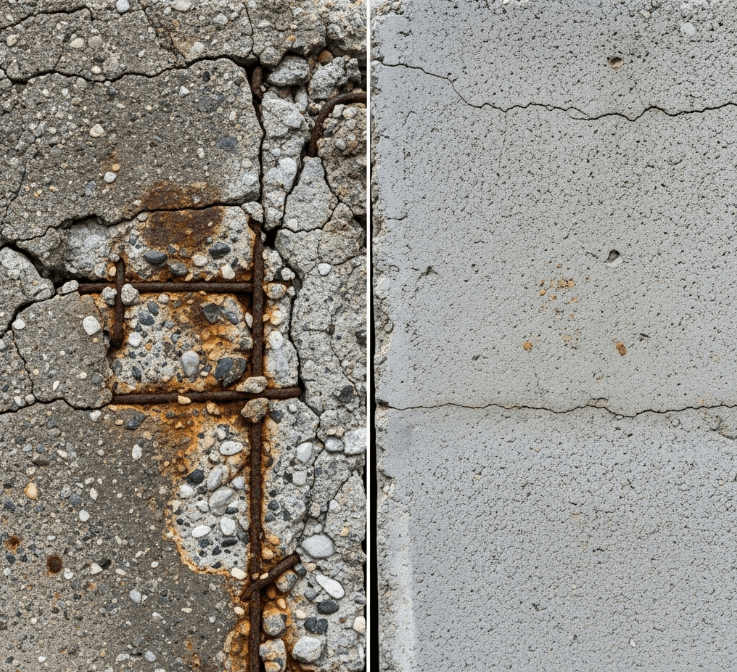
Research on the Corrosion Resistance of Basalt Fiber Concrete
Concrete corrosion is one of the main causes of concrete durability deterioration, and concrete corrosion issues cause huge economic losses every year. To reduce the economic losses caused by concrete corrosion, it is of great significance to study the corrosion resistance of basalt fiber concrete.
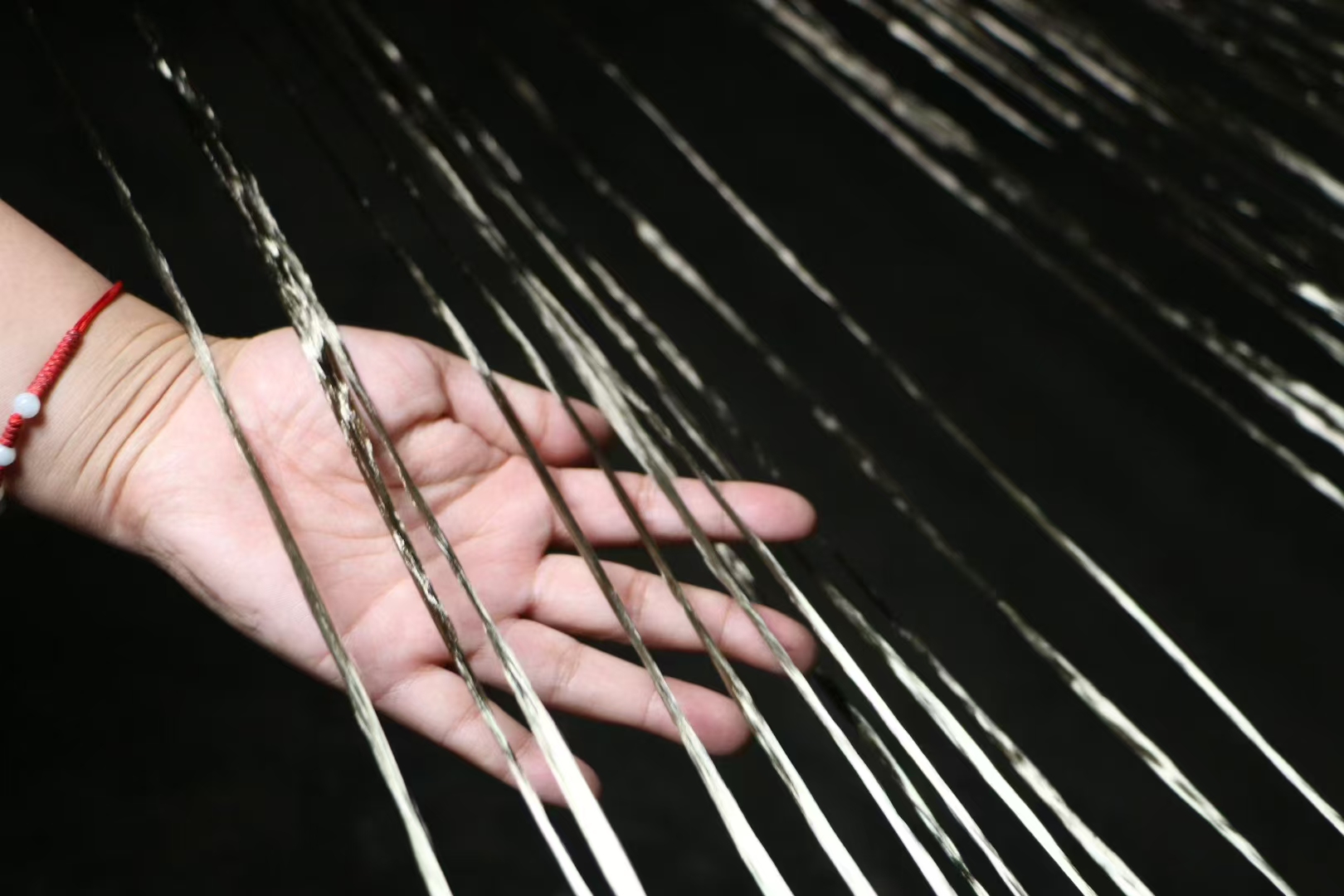
Basalt Fiber Products and Their Versatile Applications
With their comprehensive performance advantages, basalt fibers are widely used in a variety of industries, including aerospace, defense, transportation, new energy, construction, marine engineering, and petrochemicals. They serve as an upgraded alternative to traditional materials.
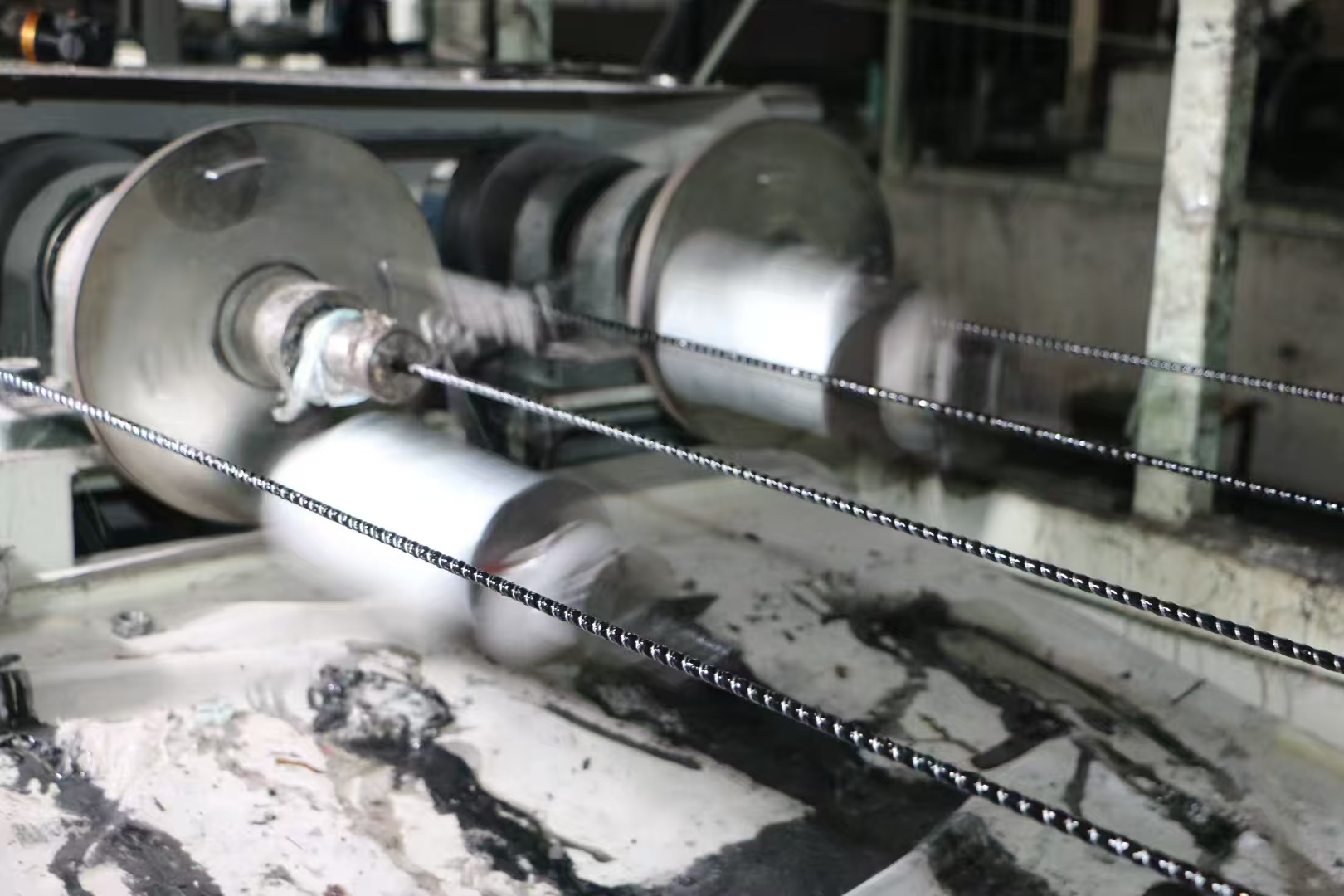
Basalt Rebar: A Game-Changer Leading the New Revolution in Construction Materials
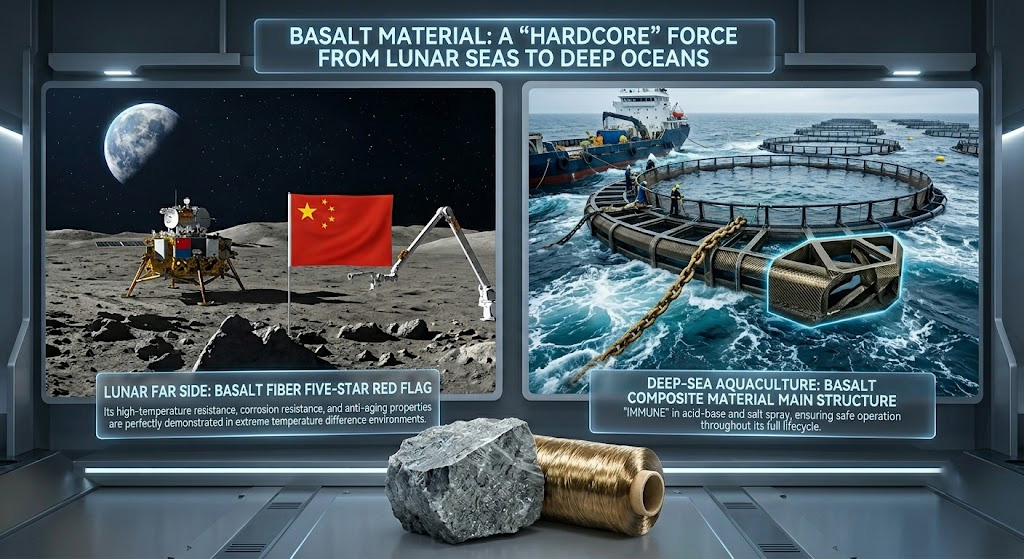
Basalt fiber, with natural basalt as its raw material, is formed into a continuous, fine inorganic filament bundle after high-temperature melting, drawing, and heat treatment. Basalt fiber has high-temperature resistance, anti-oxidation, radiation resistance, thermal and acoustic insulation, and excellent filtration performance. Because its production process is clean and pollution-free, it is known as the "21st-century green industrial material." It is then further processed into a composite bar with the form of rebar
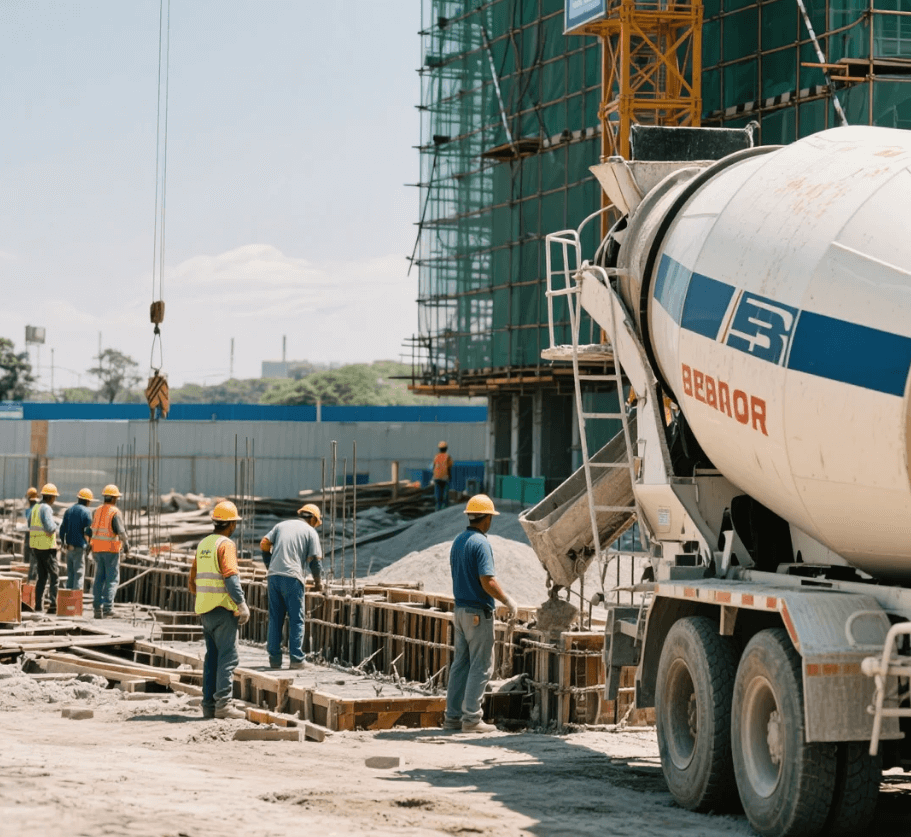
Top 10 Advantages of Basalt Fiber
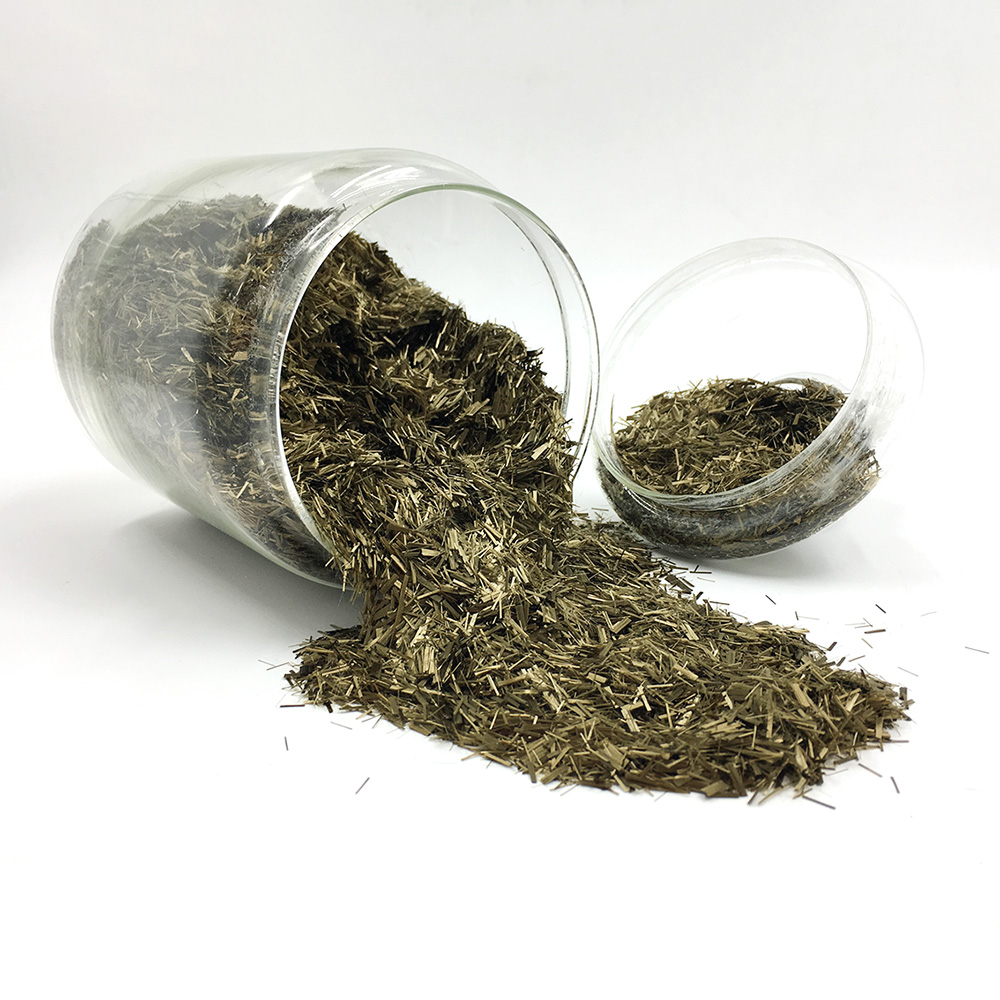
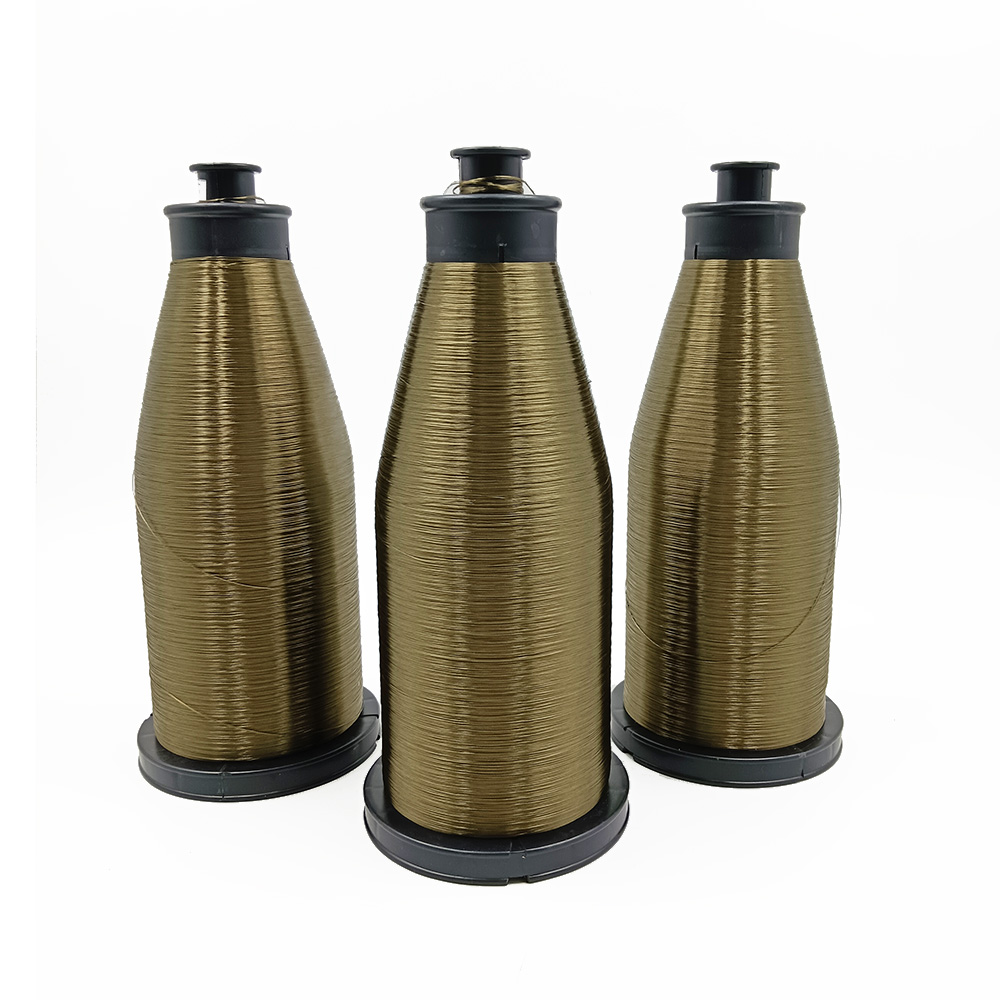
Basalt fiber is a continuous filament fiber made from natural basalt rock. The rock is melted at 1450°C-1500°C and then drawn through a platinum-rhodium alloy bushing at high speed. Pure basalt fiber is typically brown. It's a new type of inorganic, eco-friendly, high-performance fiber composed of oxides like silicon dioxide, aluminum oxide, calcium oxide, magnesium oxide, iron oxide, and titanium dioxide. Basalt continuous fiber not only has high strength but also boasts excellent properties such as electrical insulation, corrosion resistance, and high-temperature resistance. Furthermore, its production process generates minimal waste and environmental pollution, and the discarded product can degrade naturally without harm, making it a truly green and eco-friendly material. China has listed basalt fiber as one of the four key fibers for development (along with carbon fiber, aramid, and ultra-high molecular weight polyethylene) and has achieved industrial production. Continuous basalt fiber is now widely used in fiber-reinforced composites, friction materials, shipbuilding, the automotive industry, and high-temperature and protective applications.
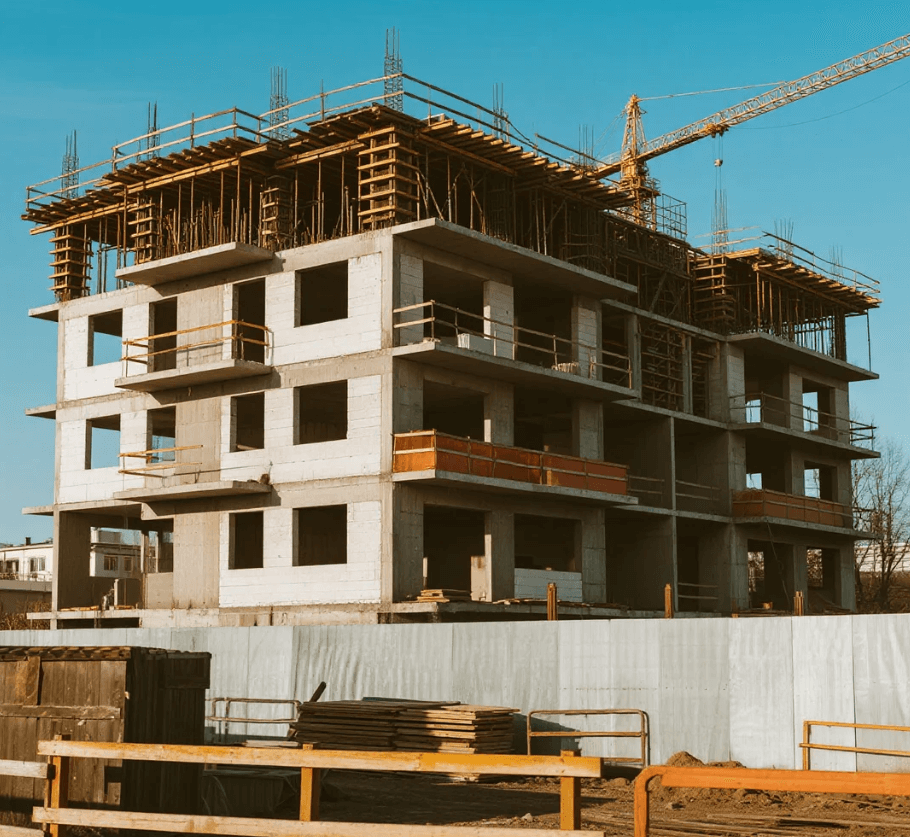
Applications of Basalt Fiber-Reinforced Composites in New Residential Building Structures
In new residential building structures, basalt fiber-reinforced polymer (BFRP) composites are emerging as a highly promising construction material due to their excellent properties, including high strength, lightweight nature, corrosion resistance, and superior seismic performance.