





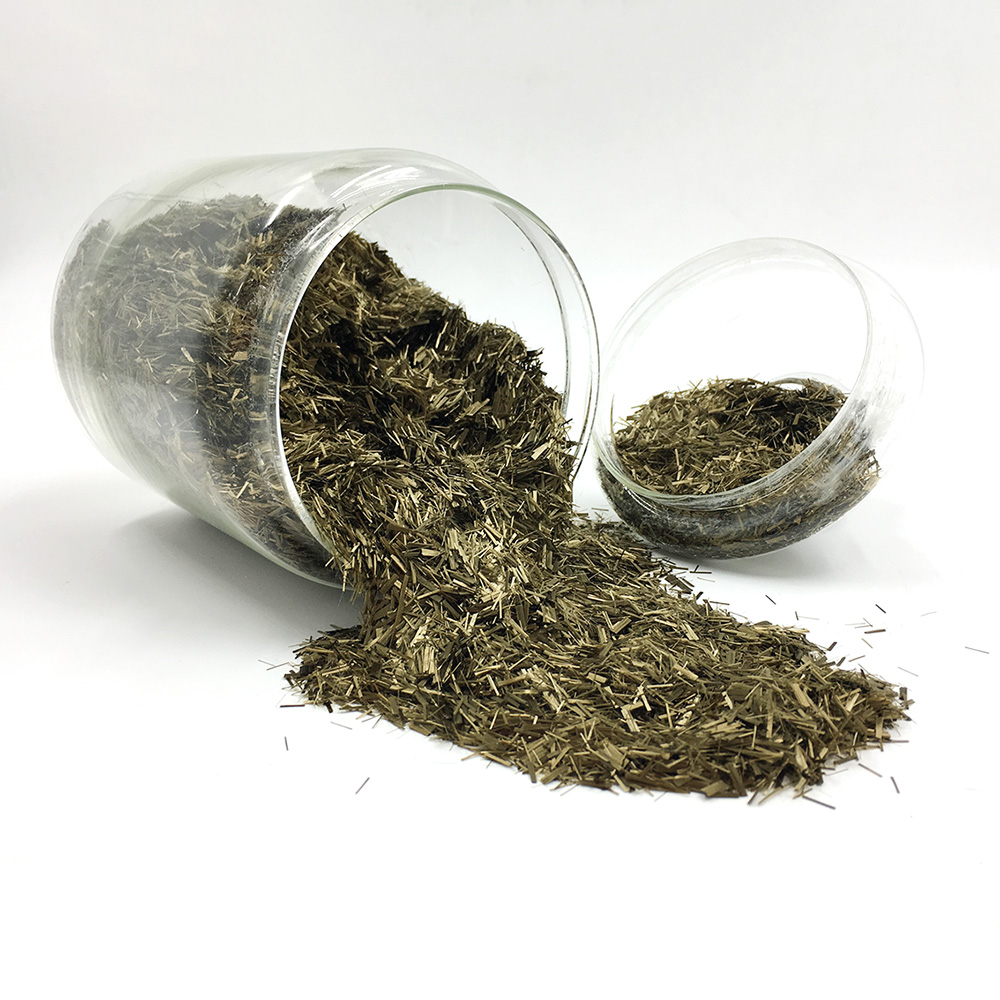
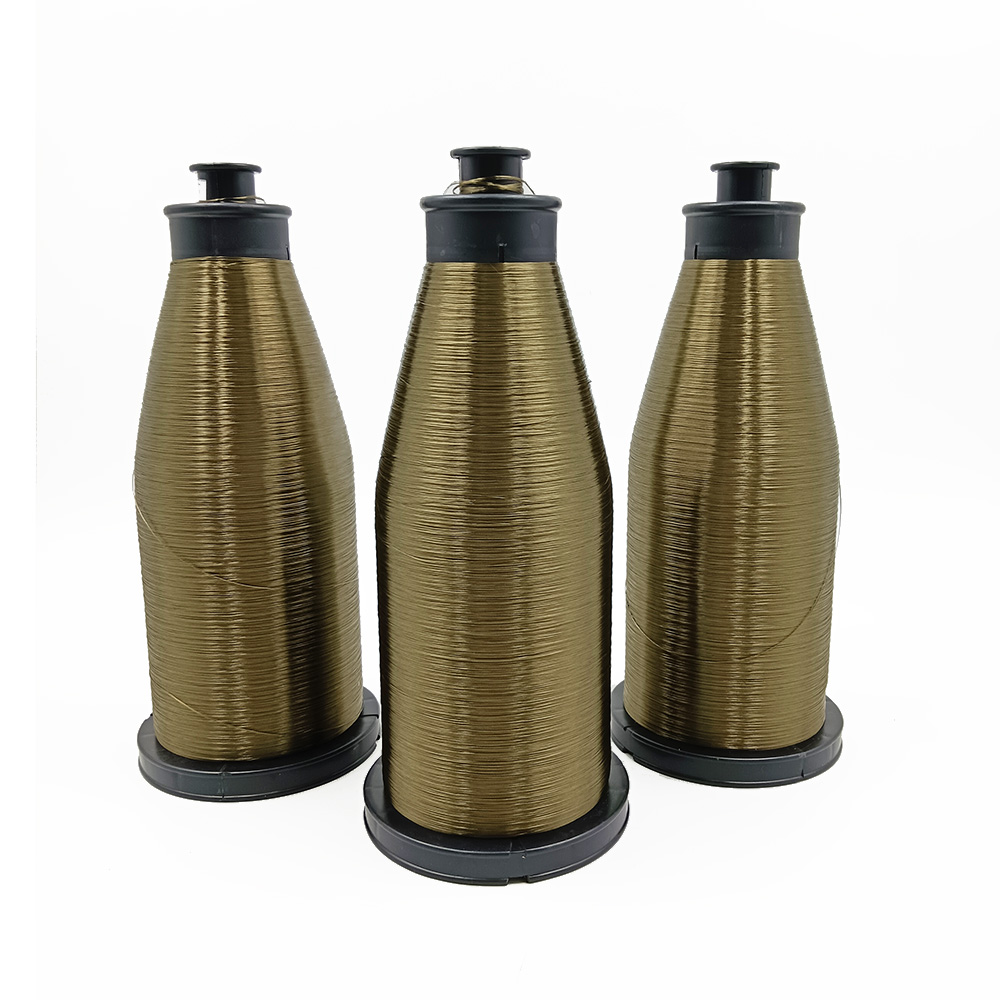
Overview of Basalt Fiber-Reinforced Plaster Mortar
1. Basic Characteristics of Basalt Fiber
Basalt fiberis primarily composed of silicon oxide, aluminum oxide, and iron oxide, with high levels of silicon oxide and aluminum oxide, giving it significant advantages in heat resistance and Chemical corrosion resistance. Compared to glass fiber, basalt fiber does not contain harmful metal oxides, resulting in better chemical stability and excellent durability in corrosive environments like strong alkalis and strong acids.
The tensile strength of basalt fiber generally ranges from 3000 to 4800 MPa, and its elastic modulus is in the range of 80 to 110 GPa. This makes it stronger than glass fiber, with a lower elongation at break, which effectively improves the crack resistance of cement-based materials.
Basalt fiber exhibits excellent high-temperature resistance, with a melting point exceeding 1400°C and a long-term service temperature of up to 700°C, far surpassing that of glass fiber. This allows it to maintain stable physical properties even in high-temperature environments.
Basalt fiber also has superior alkali resistance, acid resistance, and UV resistance. It can maintain a long service life in harsh environments such as humidity, salt spray, and chemical corrosion, making it particularly suitable for engineering materials like exterior wall plaster layers that are exposed to complex environments for extended periods.
2. Crack Resistance Mechanism of Fiber-Reinforced Mortar
The reinforcing effect of fibers in mortar primarily depends on their spatial distribution, length, content, and bonding performance with the cement-based material. During the hardening process of mortar, micro-cracks can easily form internally due to factors like volume shrinkage from hydration reactions and thermal stress caused by temperature changes.
Fibers can bridge both sides of micro-cracks, providing a bridging effect when cracks initially form, effectively delaying crack propagation and improving the material's overall tensile and crack resistance. Basalt fiber has a rough surface, which provides strong physical interlocking with the cement paste. When external loads are applied to the mortar, part of the stress can be transferred through the fibers to the surrounding matrix, thereby reducing localized stress concentrations and preventing further crack propagation. This stress dispersion mechanism helps improve the overall toughness and impact resistance of the mortar.
During the mortar hardening process, fibers can form a randomly distributed Reinforcing Mesh structure within the matrix, improving the mortar's deformation resistance. When the plaster layer is subjected to external temperature changes, drying shrinkage stresses, or mechanical loads, this reinforcing mesh can effectively resist deformation in stress concentration areas, leading to higher crack resistance in the material.