





News
Basalt Fiber: High-Performance Green New Material, Its Products, and Applications
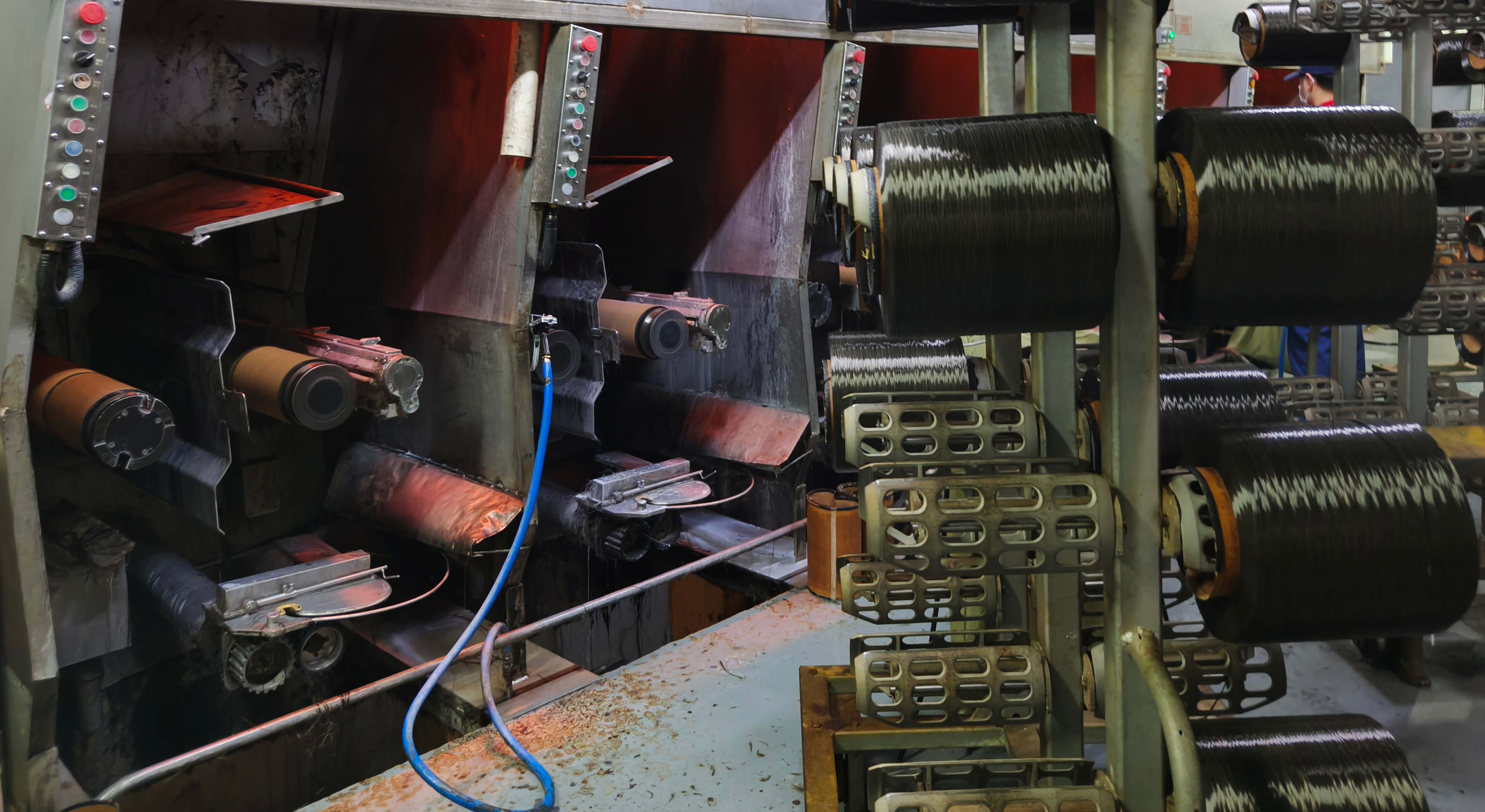
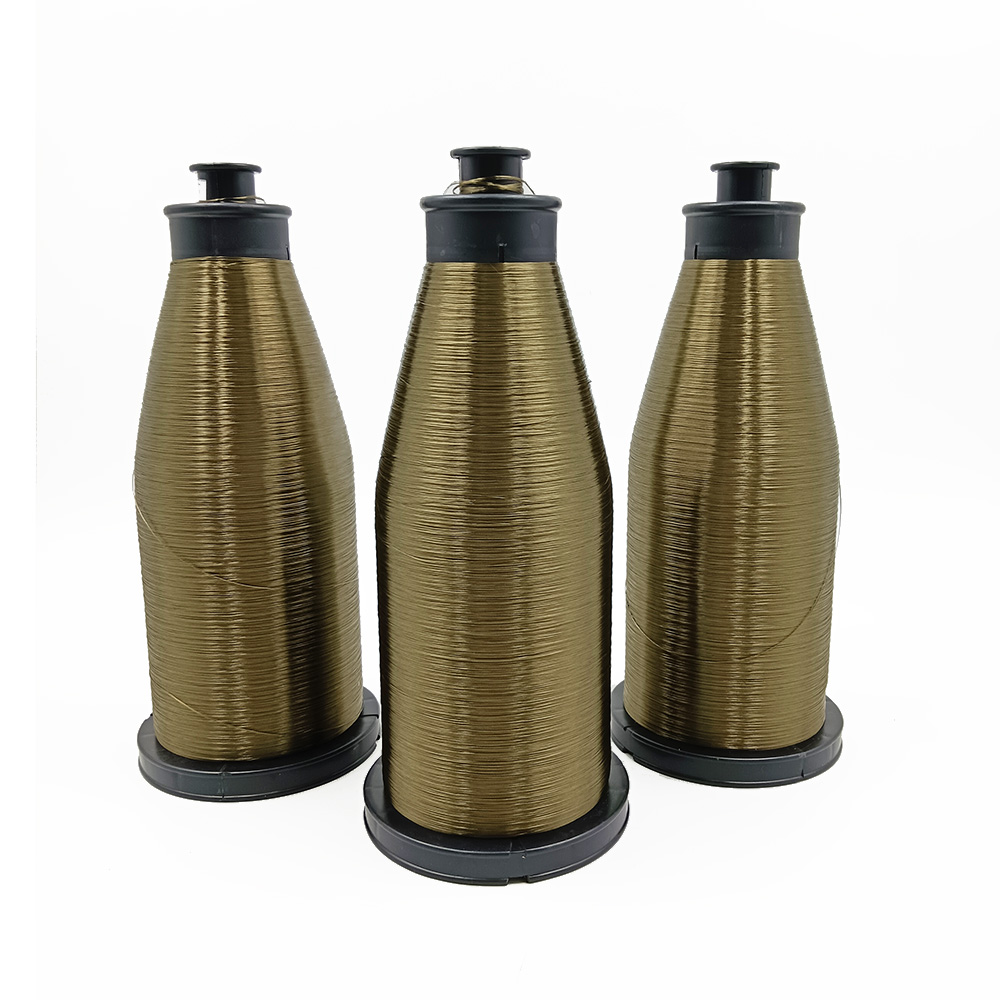
Basalt fiber material has powerful uses. So, how is basalt fiber produced? It is a continuous fiber made by high-speed drawing of basalt rock material after being melted at 1450°C to 1500°C through a platinum-rhodium alloy spinneret. Basalt fiber is brown or gold in color. Basalt fiber is a new type of inorganic, environmentally friendly, green, high-performance fiber material. It is a new material for the 21st century that is green, environmentally friendly, and non-polluting, and it is one of China's four major high-performance fibers. Basalt fiber exhibits excellent properties in terms of strength, resistance to high and low temperatures, corrosion resistance, thermal insulation, sound insulation, flame retardancy, as well as chemical and electrical insulation.
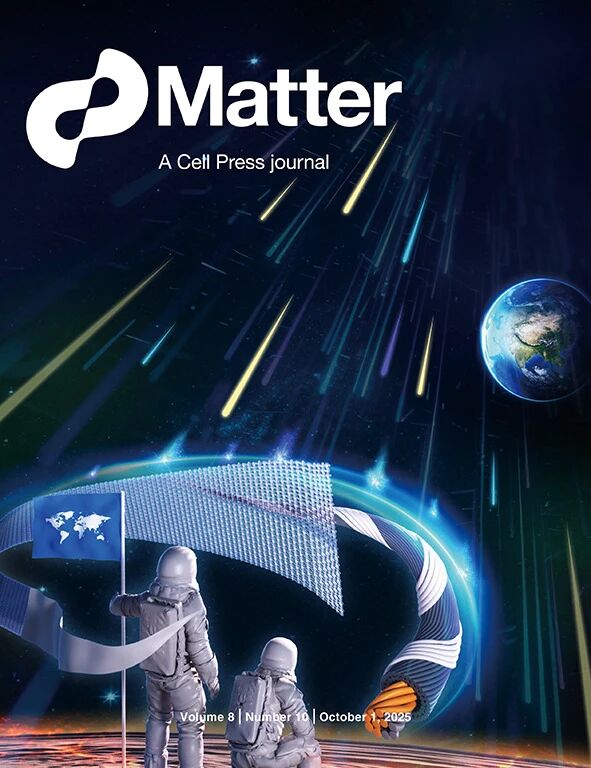
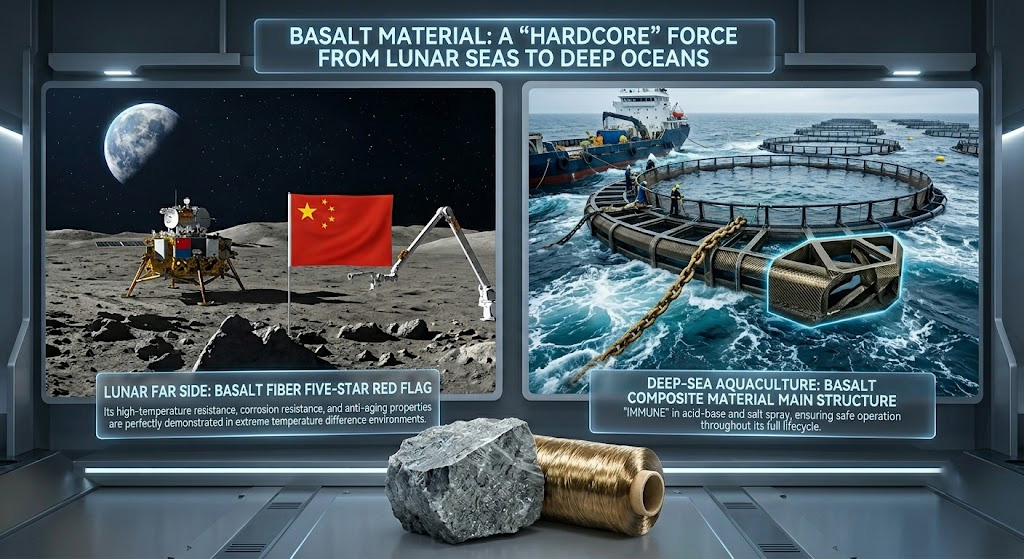
Application of Layered Basalt Ultra-Fine Yarns and Their Fabrics in Lunar Exploration
The research paper titled “Hierarchical basalt metayarn for ergonomic protective space textiles” was published in the journal Matter by the team of Professor Xia Zhigang and Academician Xu Weilin from the National Key Laboratory of New Textile Materials and Advanced Processing at Wuhan Textile University, in collaboration with Professor Tao Guangming.

Basalt Fiber for Automotive Applications
Basalt fiber is not only characterized by high strength, good thermal stability, resistance to damage to counterparts, low wear, and a stable friction coefficient, but also by suitable pricing. The application of basalt fiber in friction-enhancing materials is beneficial for both increasing the lifespan of automotive friction materials and improving their operating temperature. It can also resolve various existing drawbacks of current friction materials, which helps to address the thermal fading phenomenon in traditional automotive brakes, thereby reducing the incidence of traffic accidents.

Applications of Basalt Fiber Reinforced Plastics (BFRP) in Automotive, Marine, and Aviation Sectors
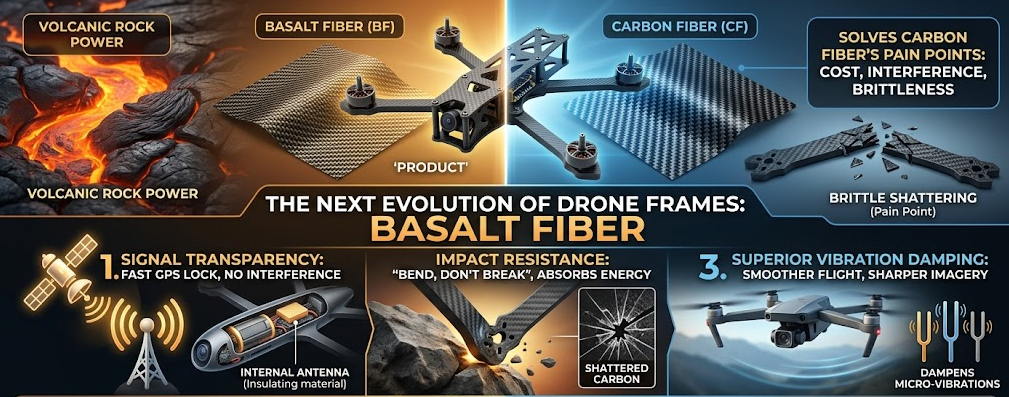
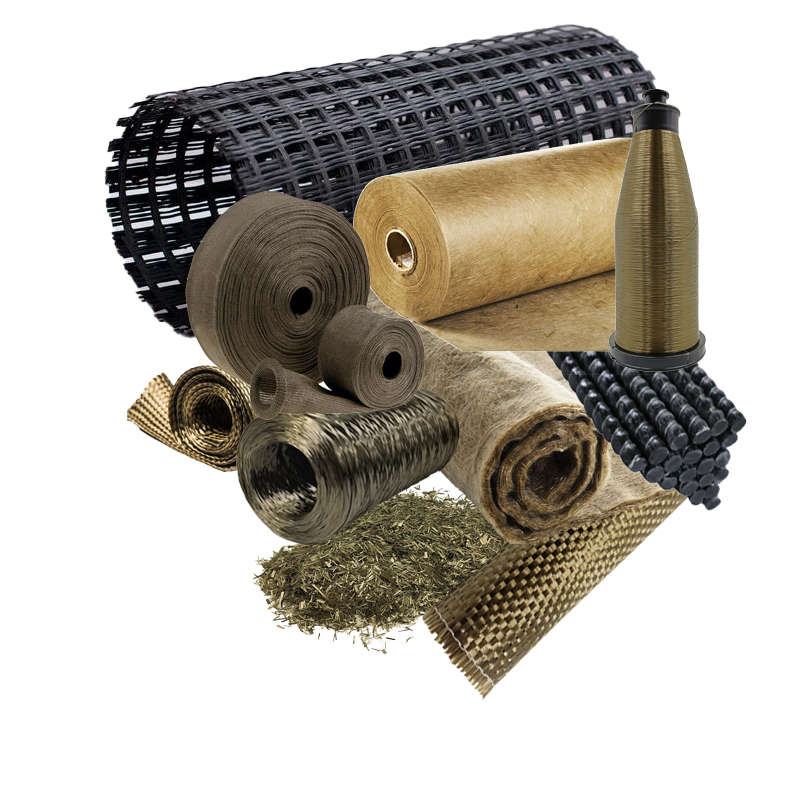
Basalt Fiber Reinforced Plastics (BFRP) are emerging as a powerful alternative to traditional materials, offering a compelling blend of sustainability, high performance, and cost-effectiveness. Derived from volcanic rock, basalt fibers possess superior mechanical properties, excellent chemical stability, and environmental friendliness. These characteristics position BFRP as a game-changer for critical industries, particularly those prioritizing lightweight structures, durability, and resistance to harsh environments.

CHINA BEIHAI FIBERGLASS to Showcase at Eurasian Composites Show in Istanbul, Turkey
The exhibition location at the Eurasian Composites Show in Istanbul, Turkey, has changed from Hall 6, Booth B540 to Hall 5, Booth B540.
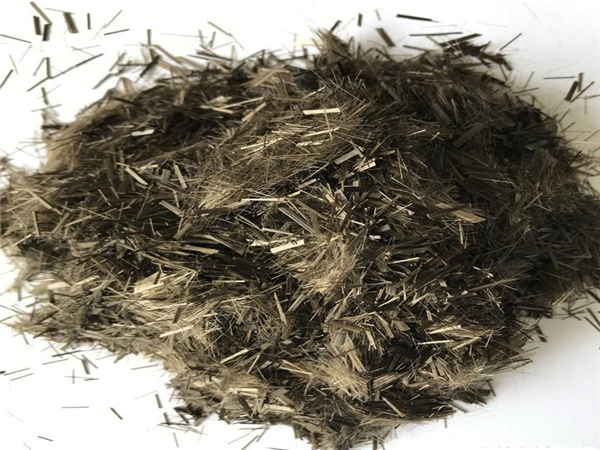
From Smooth to "Micro-Pitted": How Acid-Base Etching Upgrades Basalt Fiber Performance
Acid-base etched basalt fiber is a specially treated basalt fiber material with unique physical and chemical properties.
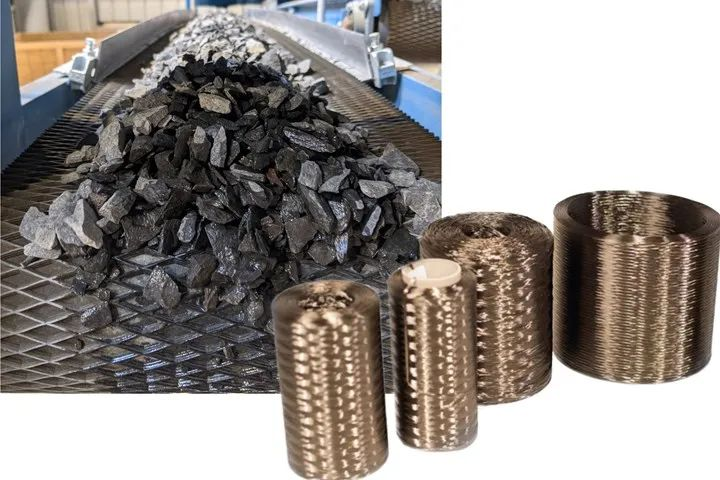
Analysis of Basalt Fiber Technology
Basalt fiber is an inorganic fiber material made from natural basalt rock mineral, which is melted at high temperatures and then drawn into fibers. It belongs to the category of high-performance fibers, similar to common glass fiber and carbon fiber, but differs in raw material source, production process, and certain performance aspects. The following analyzes basalt fiber technology across multiple dimensions.
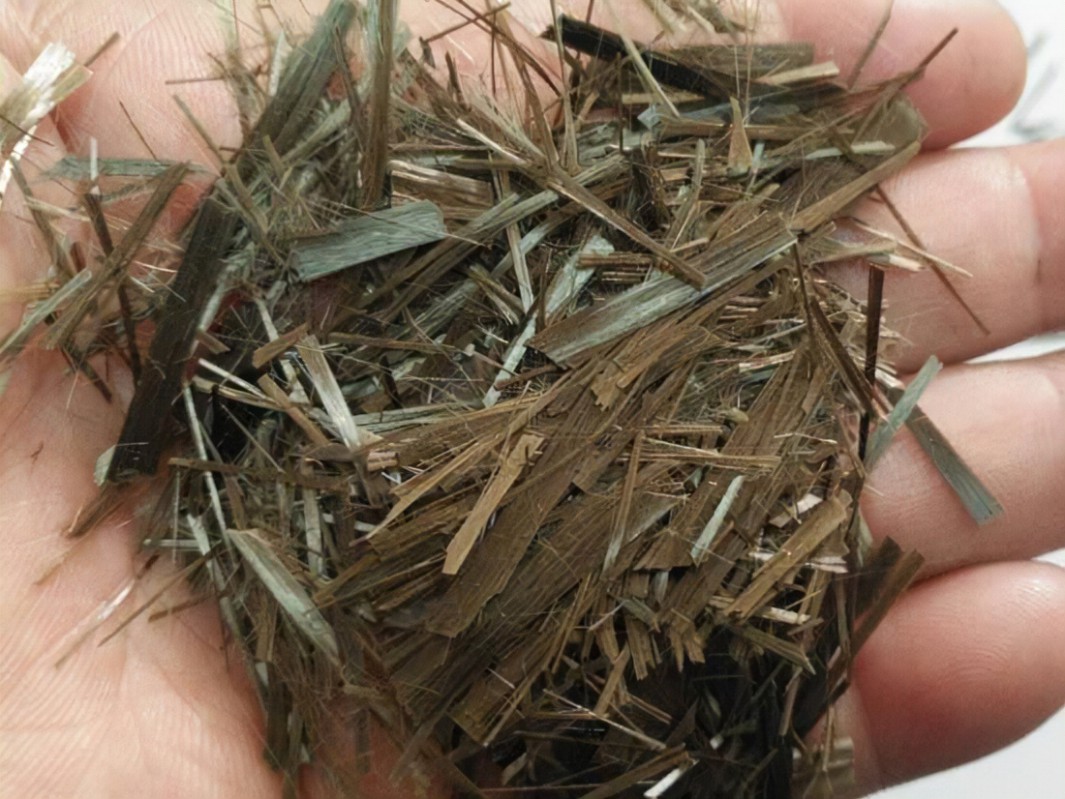
Performance Optimization and Engineering Application Research of Short-Cut Basalt Fiber-Reinforced Concrete
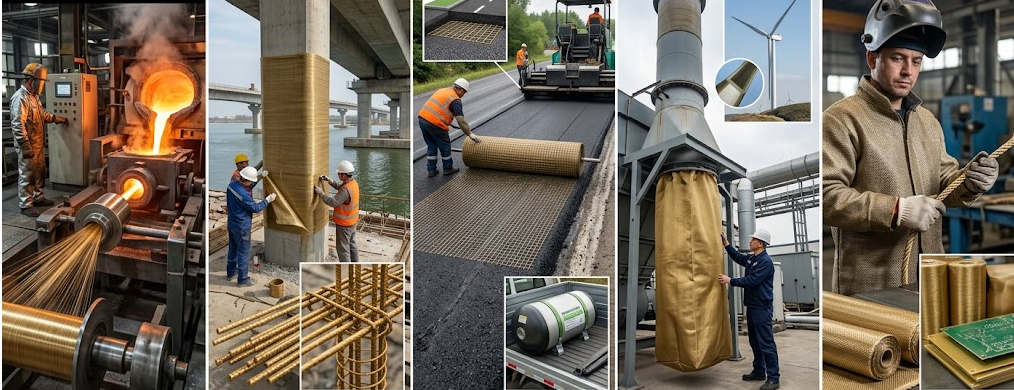
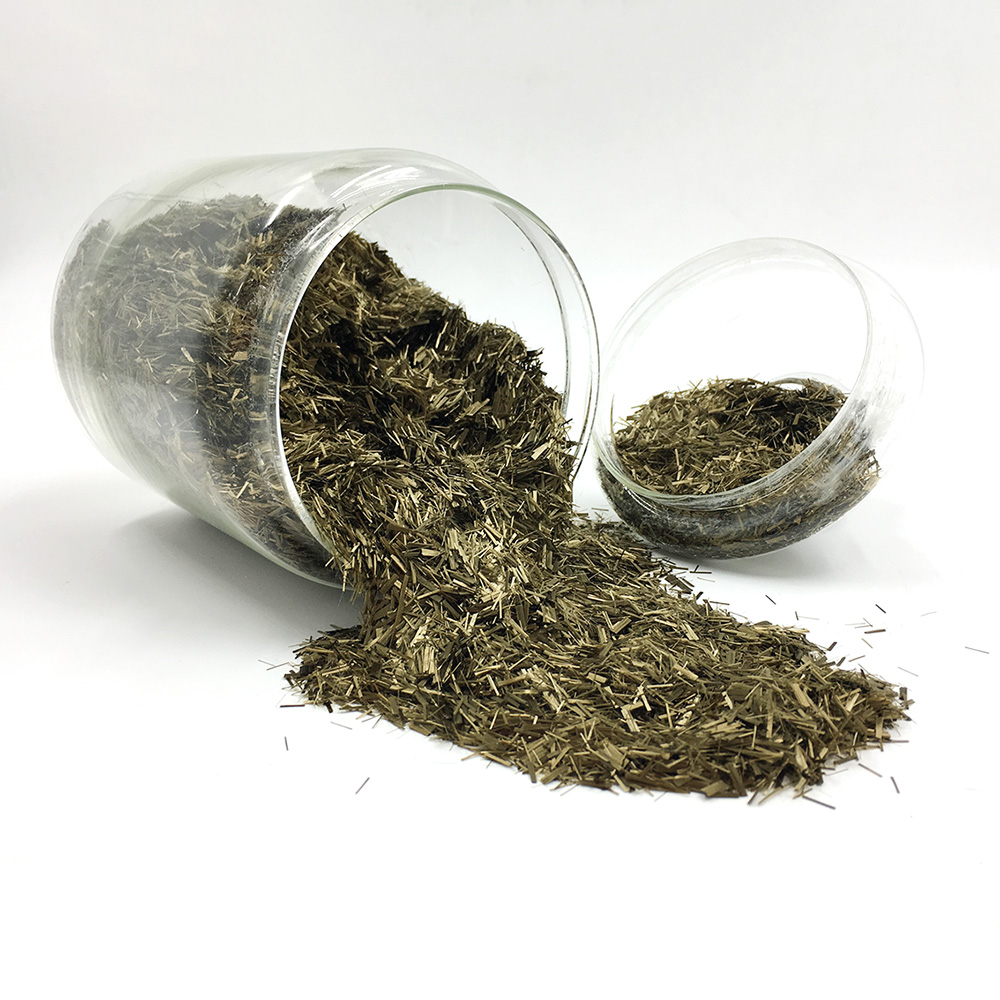
In recent years, China's highway engineering construction has developed rapidly, and concrete structure technology has achieved significant progress, accumulating numerous advanced and mature technical achievements. Concrete structure design has been widely applied in the field of infrastructure construction, demonstrating its importance. However, along with these achievements, the problem of concrete cracking is becoming increasingly prominent. The presence of cracks compromises the performance of concrete, notably reducing its tensile strength, which is the primary reason for the brittle failure exhibited by concrete. Short-cut basalt fiber, as a novel fiber material, has become an excellent concrete reinforcement material due to its unique mechanical properties, good stability, and high cost-effectiveness. This article will focus on the characteristics of short-cut basalt fiber and explore its practical application in concrete reinforcement and strengthening.

Basalt Fiber for Green Infrastructure and Carbon Fiber for Lightweight Aviation: High-Performance Fibers Reshaping the Industrial Landscape
High-performance fibers are reshaping the industrial landscape. Basalt fiber, with its natural weather resistance and cost-effectiveness, is driving the green upgrade of infrastructure. Carbon fiber, with its lightweight and high-strength properties, is leading the low-carbon transformation of the aerospace industry. Both are simultaneously penetrating new energy and high-end equipment sectors, forming an upgrade matrix that covers multiple industries.
Under the dual drivers of the "Dual Carbon" goals and the upgrade of high-end manufacturing, high-performance fibers, with their core advantages of "customized performance and application-specific scenarios," have become key materials for solving traditional industrial pain points and advancing emerging fields. Basalt fiber, leveraging its "natural weather resistance and cost-effectiveness," is reshaping the path to green infrastructure. Carbon fiber, with its "lightweight and high-strength" advantages, is leading the low-carbon transition in aviation. The two are also simultaneously entering new energy and high-end equipment sectors, creating a multi-industry upgrade matrix that provides critical support for high-quality manufacturing development.

Basalt Fiber Pipelines: A New Choice for Energy Transportation
In the market for high-pressure pipes, composite materials like glass fiber, carbon fiber, and basalt fiber are all used. However, glass fiber reinforced plastic (GRP) high-pressure pipes are the most widely used, while basalt and carbon fiber pipes are less common. Basalt fiber composite high-pressure pipes, with their exceptional corrosion resistance, lightweight and high strength, low fluid resistance, and long service life, are finding widespread applications in various fields such as petrochemicals, aerospace, and construction.