




Applications and Development of Basalt Untwisted Yarn and Basalt Nonwoven Fabric
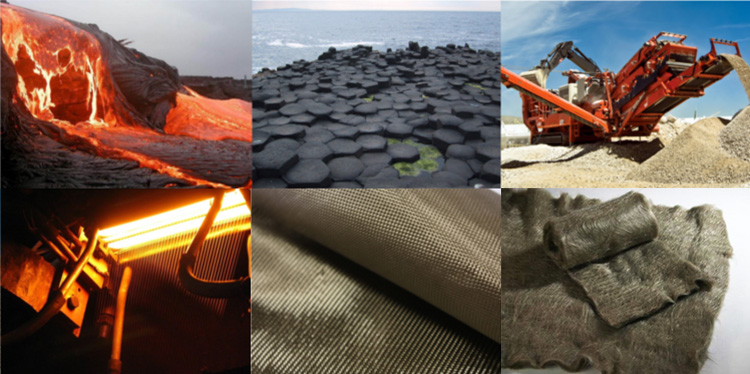
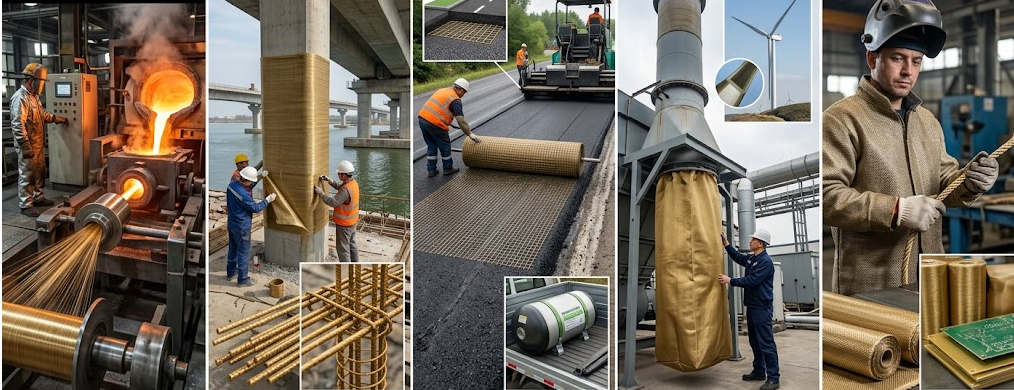
Basalt fiber, a "green high-performance fiber" derived from natural basalt ore, boasts inherent advantages such as high temperature resistance, Chemical corrosion resistance, excellent mechanical properties, and environmental biodegradability, leading to the development of various high-value products in the textile industry. Among these,untwisted yarn and nonwoven fabric are two of the most widely used and core-value representatives. Relying on different textile processes and structural characteristics, they respectively achieve differentiated empowerment in areas such as high-end composite material reinforcement, industrial protection, and environmental filtration.
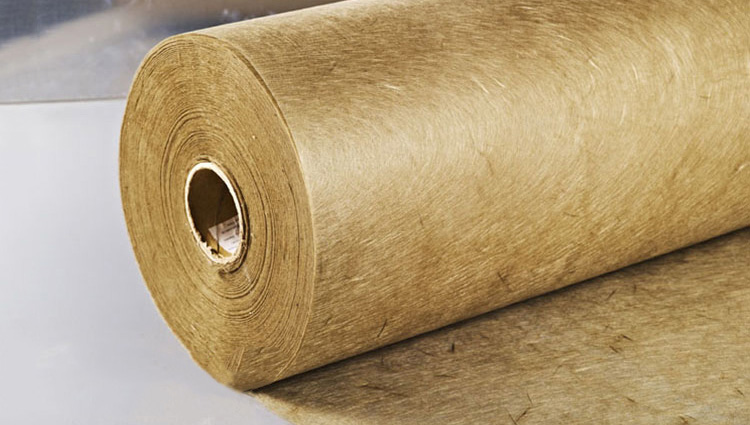
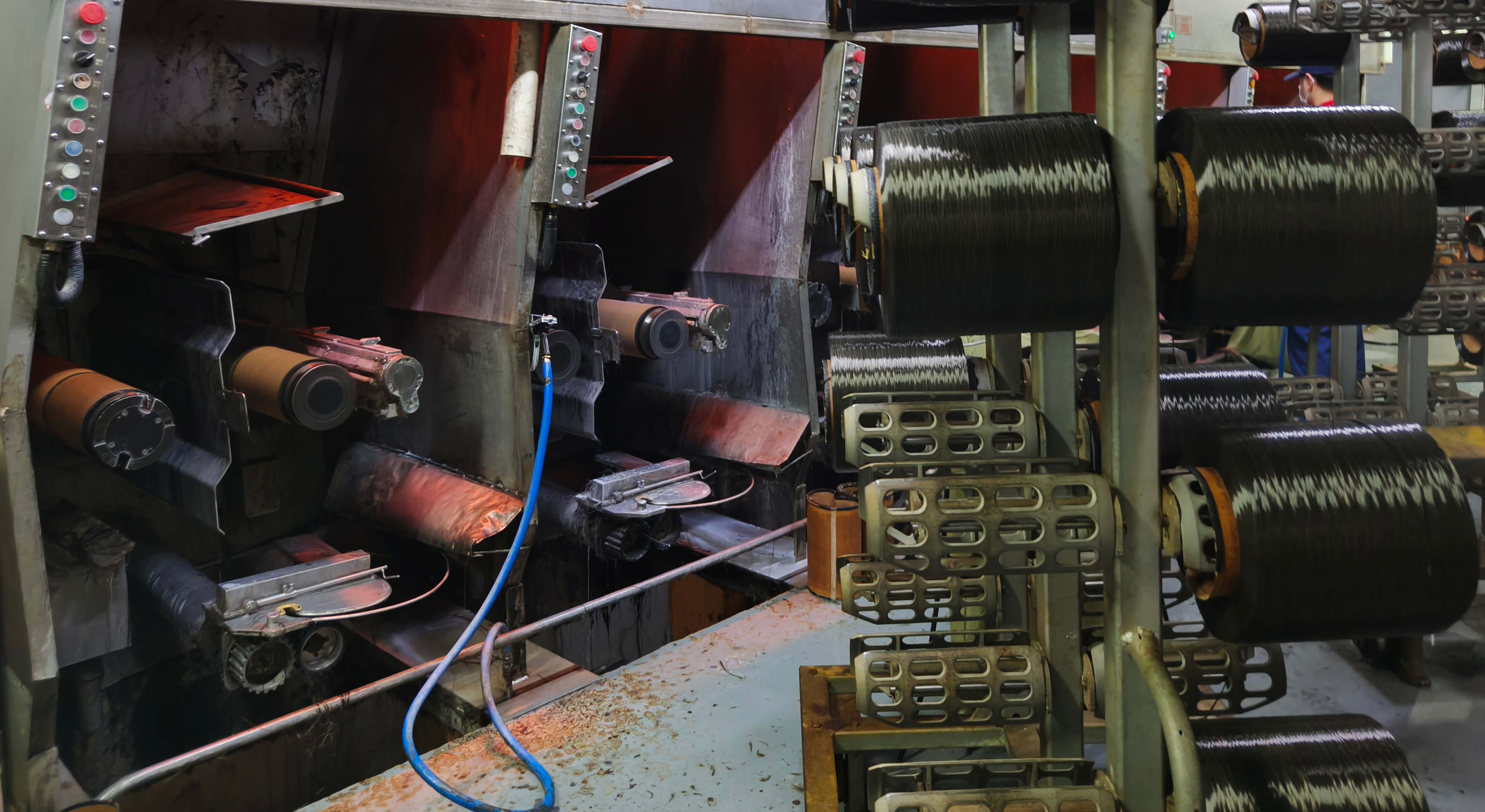
Although untwisted yarn and nonwoven fabric differ significantly in their processes and structures, both leverage the natural advantages of basalt fiberto achieve irreplaceable value in their respective fields. From a core positioning perspective, untwisted yarn focuses on reinforcing composite material skeletons and high-precision functional carriers, while nonwoven fabric emphasizes functional barriers and multi-scenario adaptability. Structurally, untwisted yarn is woven from long filaments, resulting in a dense structure and anisotropic mechanical properties (depending on the weave), while nonwoven fabric is made through short-fiber or long-filament nonwoven processes, resulting in high porosity and allowing for isotropic or directional reinforcement structures to be designed according to requirements. Regarding core advantages, untwisted yarn is characterized by high retention of mechanical properties and good resin wettability, while nonwoven fabric excels in its flexible structure and diverse functions such as filtration and sound absorption.
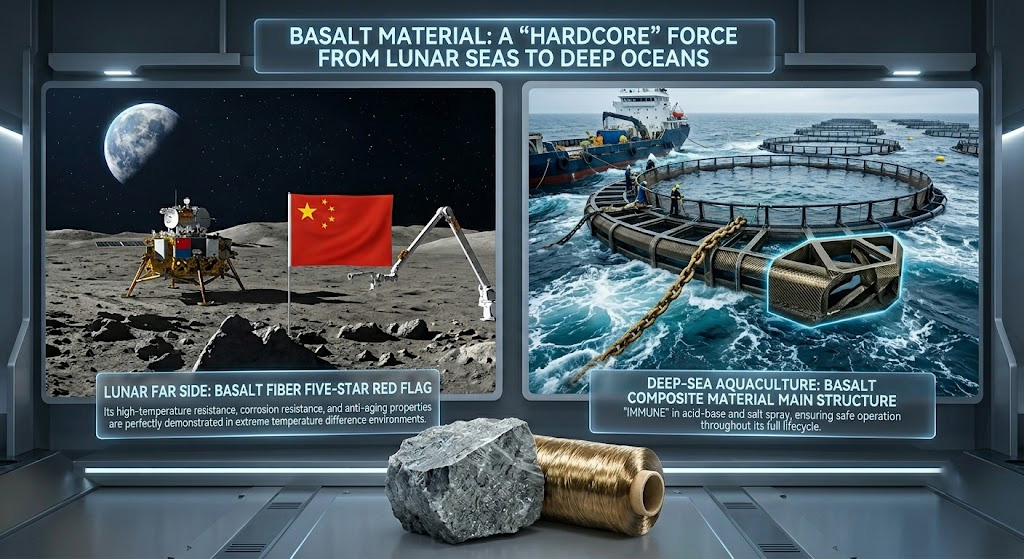
Both share distinct advantages. In terms of environmental attributes, both products use natural basalt as raw material and are biodegradable or incinerated without harmful gas emissions after disposal, aligning with the concept of green development. In terms of performance, both inherit the core characteristics of basalt fiber: high and low temperature resistance, corrosion resistance, and mechanical stability. Regarding cost adaptability, their price-performance ratio falls between carbon fiber and glass fiber, offering a cost advantage over carbon fiber and superior performance compared to glass fiber, making them widely adaptable to various application needs.
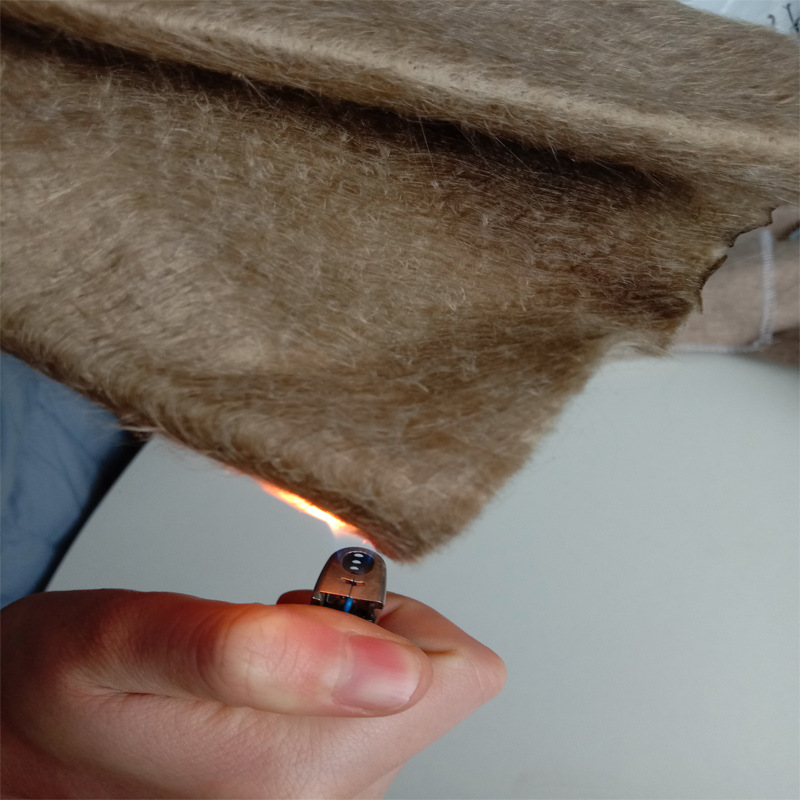
In the future, with breakthroughs in low-cost continuous basalt fiber preparation technology, multi-fiber composite weaving technology (such as basalt-carbon fiber blended yarn), and integrated functional coating processes, both types of products will upgrade towards "high added value" and "deep adaptation to various scenarios": Untwisted yarn will extend to areas such as reinforcement of aerospace main load-bearing components and high-end electronic packaging substrates; Non-woven fabrics will achieve "intelligent response" function upgrades (such as temperature-sensitive filter cloth and self-cleaning protective cloth), further covering precision scenarios such as high-end medical filtration and new energy battery separators.
As the "end-value carrier" of the basalt fiber industry, the technological iteration of untwisted yarn and nonwoven fabric will continue to drive the transformation of basalt fiber from "industrial auxiliary material" to "high-end functional material", providing core material support for green manufacturing, high-end equipment and other fields.