



Basalt Fibers Enhance Carbonation Resistance of Concrete
I. Mechanism of anti-carbonation action: multi-scale synergistic optimization
1. Pore structure and crack inhibition
Basalt fibers inhibit early plastic shrinkage cracks in concrete (30%-50% reduction in width) and block CO₂ diffusion paths through three-dimensional mesh distribution. The dense hydration products generated at the fiber-matrix interface can reduce the proportion of harmful pores (>100 nm) from 18.6% to 12.3%, significantly reducing permeability.
2. Hydration modulation and Chemical synergy
Fiber surface roughness promotes C-S-H gel heterogeneous nucleation, accelerating the hydration reaction, 28 days hydration degree increased by 8%-12%. When compounded with mineral admixtures (e.g., silica fume), the volcanic ash effect coupled with fiber fracture-limiting effect decreased the total porosity by 40%, and the proportion of harmless pores (<50 nm) reached more than 65%.
II.Engineering practice and economic benefits
1. Road life significantly extended
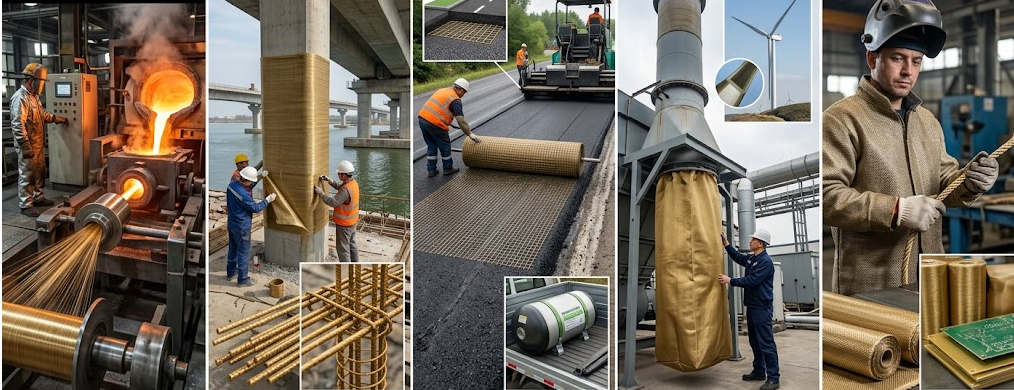
High-performance Basalt Fiber asphalt concrete researched and developed by Yangzhou University, rutting resistance increased by 20%-40%, fatigue cracking resistance increased by 2-8 times, maintenance cycle extended from 3-5 years to 6-8 years, long-term maintenance cost savings greatly reduced.
2. Improved performance of recycled concrete
Research shows that when recycled aggregate concrete (RAC) is mixed with 2 kg/m³ basalt fibers, the carbonation depth is reduced by 41% compared with ordinary recycled concrete, and the best carbonation resistance is achieved with 50% recycled aggregate substitution rate.
III. Future Trends and Challenges
1. Multi-field coupling research
Need to further explore the long-term performance under carbonation-chloride salt-load coupling, preliminary data show that the carbonation rate of fiber concrete under 0.5 times the ultimate load is still 28% lower.
2. Intelligent monitoring integration
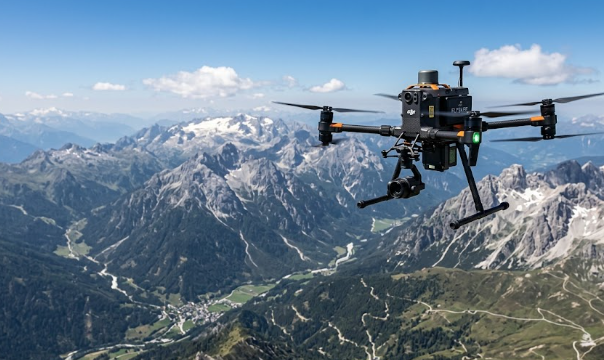
Implantation of carbonation-sensing optical fiber and fiber network, real-time tracking of carbonation front (accuracy ± 0.1 mm), providing data support for preventive maintenance.
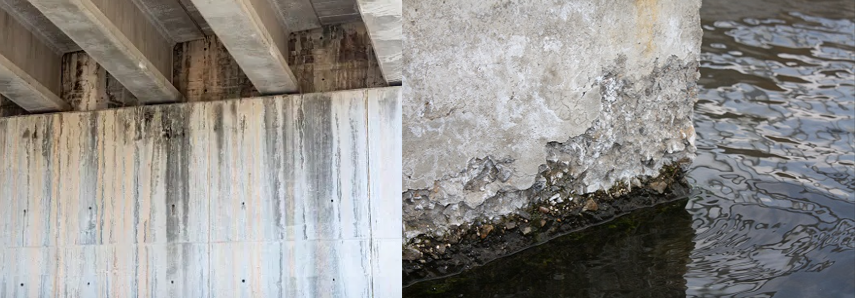
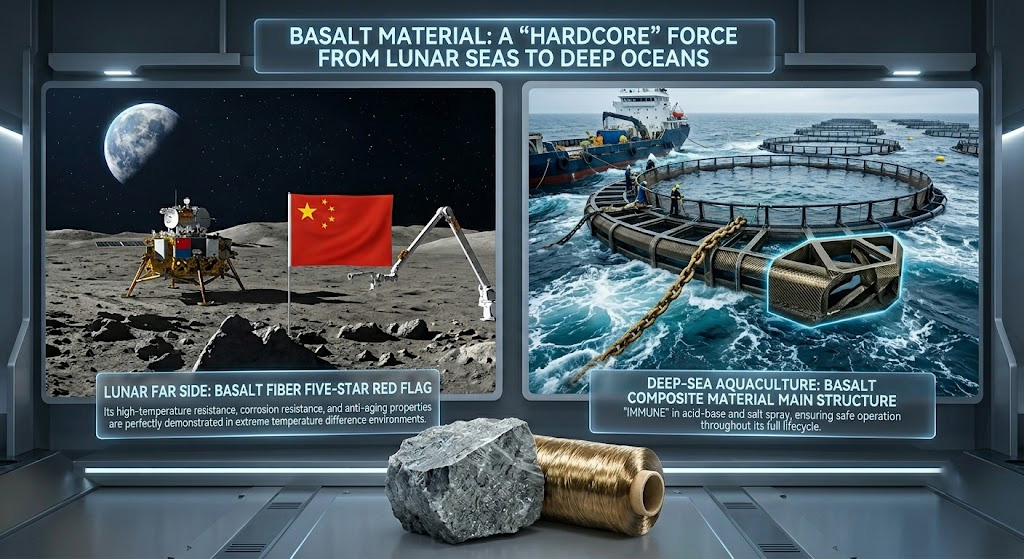
Basalt fiber provides a multi-level solution for concrete carbonation resistance through microstructure optimization and macro performance enhancement. With the improvement of the standard system and technological innovation, its application will be expanded from roads and bridges to marine engineering and other fields, promoting the durability of infrastructure to a new era.