







Basalt Fiber for Automotive Applications
Basalt fiberis not only characterized by High Strength, good thermal stability, resistance to damage to counterparts, low wear, and a stable friction coefficient, but also by suitable pricing. The application ofbasalt fiber in friction-enhancing materials is beneficial for both increasing the lifespan of automotive friction materials and improving their operating temperature. It can also resolve various existing drawbacks of current friction materials, which helps to address the thermal fading phenomenon in traditional automotive brakes, thereby reducing the incidence of traffic accidents.
GALFER Company in Spain has successfully developed the 1052 series of motorcycle brake pads using basalt fiberas the main reinforcing fiber. High-temperature structures made from Basalt Fiber are used as friction-enhancing materials in automotive components such as brakes and clutches. This not only assists in the development of high-speed automobiles but also helps to improve automotive safety performance, indicating broad market prospects for its development.
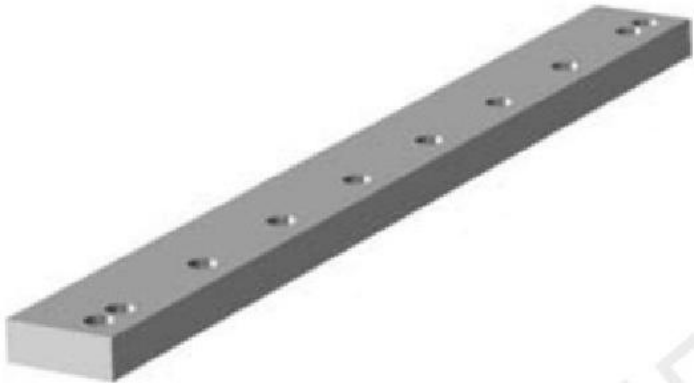
Furthermore, basalt fiber has a moderate material density, and its tensile strength is comparable to glass fiber. The wear resistance of friction materials reinforced with basalt fiber is higher than that of asbestos, steel, and glass fibers. Performance testing of brake pads reinforced with chopped basalt fiber indicates that they possess characteristics such as a stable friction coefficient at high temperatures, low thermal fading, and low braking noise, making them suitable as the main reinforcing material for friction applications.
Basalt fiber automotive filtration materials can filter and separate solid particles from automotive exhaust gases under high-temperature conditions, thus reducing urban pollution from vehicle emissions. Moreover, these filtration materials have the advantage of maintaining stable performance even after prolonged use at high temperatures. Russia and Ukraine use filter cloth made from continuous basalt fiber, which shows a mass loss of only 12% at a high temperature of 900°C. The application of basalt fiber in automotive filtration materials meets the environmental protection requirements of the new century and helps to satisfy the demand for high-performance automobiles.
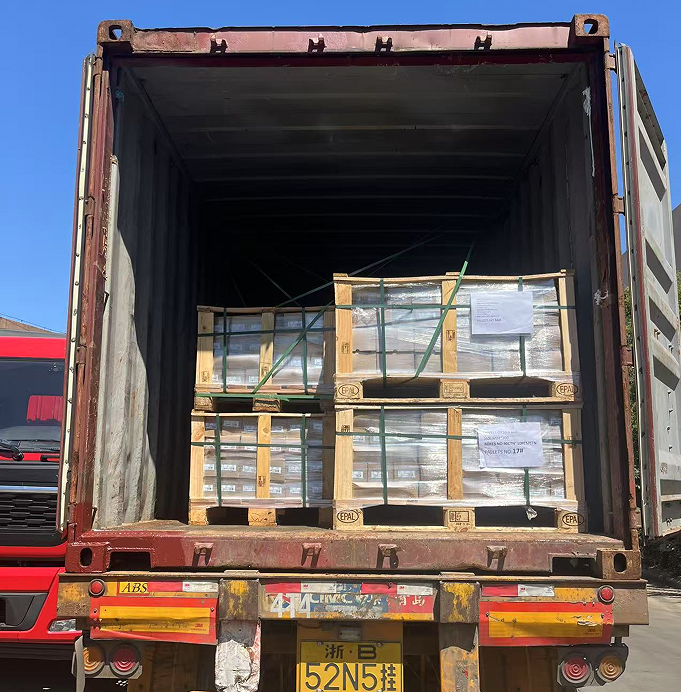
Compared to the more widely used glass fiber in interior materials, basalt fiber's sound absorption and heat resistance properties are far superior to those of E-glass fiber.
The application of basalt fiber materials for heat insulation and sound absorption in automobiles is beneficial for enhancing the sound insulation performance from the outside world and reducing noise generated by automotive components. Japan has selected basalt fiber as the optimal material for the development of automotive mufflers. With the annual demand for automotive sound and heat insulation fiber materials exceeding 100,000 tons, basalt fiber possesses immense market development potential in this regard.
